Skin Health
The AboutFoods Guide to Eating for Skin Health: Nourish Your Glow from Within
Discover how simple, everyday foods can support healthy, radiant skin. This practical guide explores nutrient-rich ingredients, easy meal ideas, and common mistakes to avoid—all grounded in realistic, delicious eating habits.
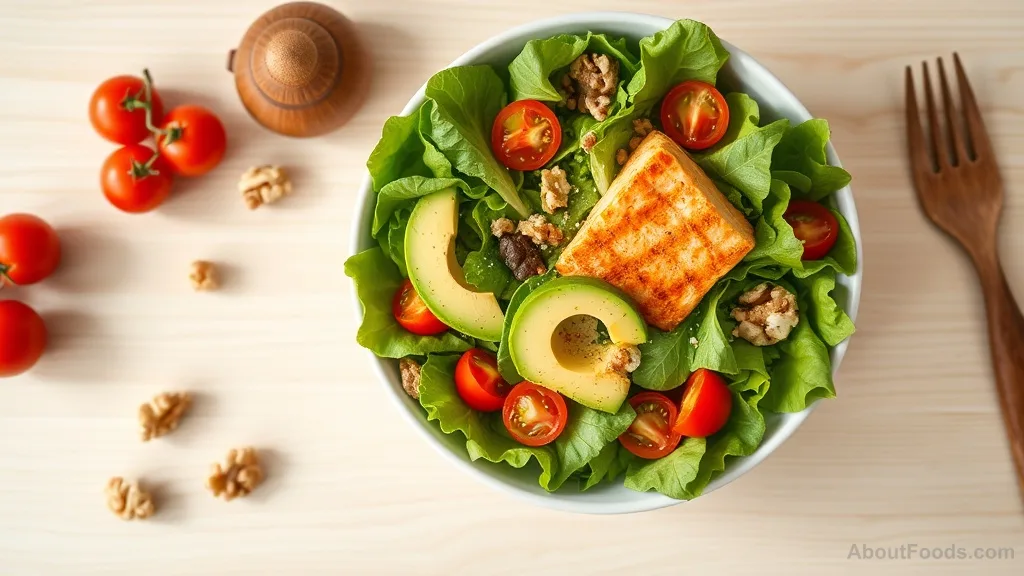

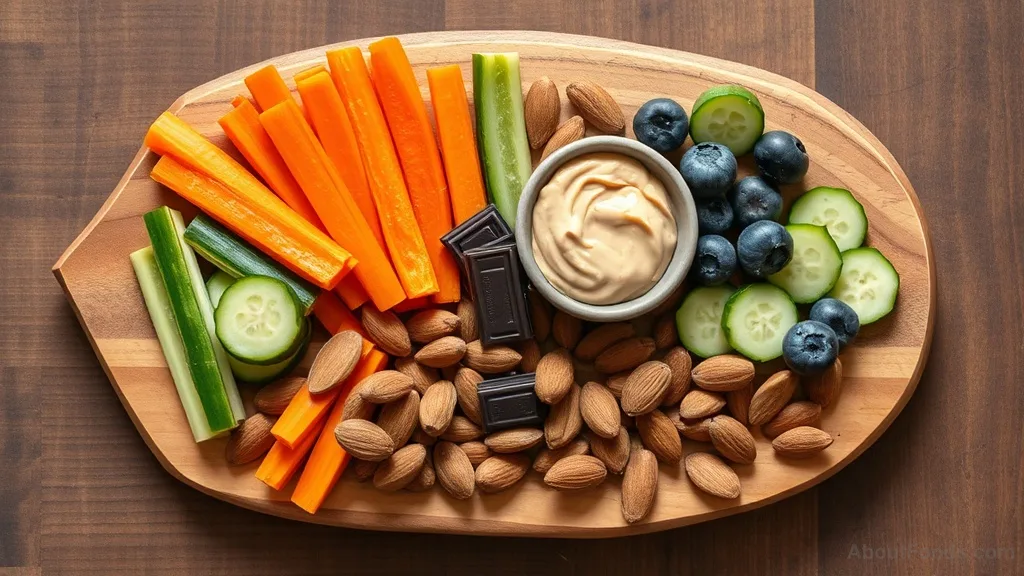
Introduction: The Quiet Connection Between Food and Skin
Hello, I'm Ayu. If you've ever sat under a coconut tree, feeling the humid breeze and smelling that gentle, earthy scent, you know there's a calmness in nature's simplicity. That's how I approach eating for skin health—not with strict rules or quick fixes, but with a humming, steady rhythm of nourishing choices. Our skin, much like the soil in my grandmother's garden in Indonesia, thrives when fed well. It reflects what we take in, and while creams and routines have their place, the foundation often lies in our meals. This guide is about building that foundation with foods that are as comforting as they are beneficial, grounded in everyday practicality.
Why Food Matters for Your Skin: A Gentle Reminder
Skin is our largest organ, and it's constantly renewing itself. Think of it as a living canvas that responds to the nutrients we provide. Foods rich in antioxidants, healthy fats, vitamins, and water can support this renewal process, helping to maintain elasticity, reduce dullness, and promote a natural glow. It's not about achieving perfection overnight—it's about creating a supportive environment where your skin can thrive. By focusing on whole, minimally processed foods, we're giving our skin the building blocks it needs, much like tending to a garden with care and patience.
- Hydration: Water-rich foods help maintain skin moisture and plumpness.
- Antioxidants: Protect skin cells from environmental stressors.
- Healthy Fats: Support skin barrier function and reduce dryness.
- Vitamins and Minerals: Aid in collagen production and skin repair.
Key Nutrients for Skin Health and Where to Find Them
Let's explore the essential nutrients that play a role in skin health. These aren't mysterious compounds—they're found in common, accessible foods. By incorporating a variety of these into your meals, you can create a balanced approach that supports your skin from within.
| Nutrient | Role in Skin Health | Food Sources |
|---|---|---|
| Vitamin C | Supports collagen synthesis, antioxidant protection | Citrus fruits, bell peppers, strawberries, broccoli |
| Vitamin E | Antioxidant, helps protect skin cells | Almonds, sunflower seeds, avocado, spinach |
| Omega-3 Fatty Acids | Reduces inflammation, supports skin barrier | Salmon, walnuts, chia seeds, flaxseeds |
| Zinc | Aids in skin repair and renewal | Pumpkin seeds, lentils, chickpeas, cashews |
| Beta-Carotene | Converted to vitamin A, supports skin cell growth | Sweet potatoes, carrots, kale, butternut squash |
| Polyphenols | Antioxidants that may protect against oxidative stress | Green tea, berries, dark chocolate, turmeric |
Building Skin-Friendly Meals: Practical Ideas for Every Day
You don't need exotic ingredients or complicated recipes to eat for your skin. Start with what you have and build from there. Here are some simple, realistic meal ideas that incorporate skin-supportive foods. Feel free to mix and match based on your preferences and what's in season.
Common Mistakes to Avoid When Eating for Skin Health
In the quiet of my kitchen, I've seen how small missteps can add up. Eating for skin health isn't about deprivation or overcomplication—it's about consistency and balance. Here are some common pitfalls to watch out for, so you can stay on a supportive path without feeling overwhelmed.
Hydration and Beyond: The Role of Drinks in Skin Care
What we drink is just as important as what we eat. Hydration keeps skin supple, while certain beverages offer additional benefits. Let's move beyond plain water—though it's essential—and explore drinks that can complement your skin-friendly diet.
- Water: Aim for at least 8 glasses daily. Add slices of lemon
- cucumber
- or mint for flavor without sugar.
- Green Tea: Rich in polyphenols
- it may offer antioxidant support. Enjoy it warm or iced
- unsweetened.
- Herbal Infusions: Try turmeric-ginger tea or chamomile for their anti-inflammatory properties.
- Smoothies: Blend spinach
Remember, moderation is key. Limit sugary sodas and excessive caffeine, which can dehydrate the skin. Instead, let your drinks be a calming ritual, like the slow sip of tea under a warm afternoon sun.
Putting It All Together: A Simple Weekly Approach
To make this guidance feel doable, here's a relaxed weekly plan. It's not a strict regimen—think of it as a gentle framework you can adapt. The goal is to incorporate skin-supportive foods regularly, without stress.
| Day | Focus | Example Meal Idea |
|---|---|---|
| Monday | Hydration and Greens | Large salad with mixed greens, avocado, and grilled chicken, plus herbal tea |
| Tuesday | Omega-3 Boost | Baked salmon with roasted sweet potatoes and steamed broccoli |
| Wednesday | Antioxidant-Rich | Berry smoothie with spinach and a handful of almonds as a snack |
| Thursday | Plant-Based Variety | Lentil soup with carrots and kale, served with whole-grain bread |
| Friday | Colorful Veggies | Stir-fry with bell peppers, snap peas, tofu, and turmeric |
| Weekend | Flexible and Fun | Use leftovers or try a new recipe, like stuffed bell peppers or a nutty grain bowl |
Adjust based on your schedule and preferences. The key is consistency, not perfection. Even small, steady changes can make a difference over time.
Frequently Asked Questions About Eating for Skin Health
How long does it take to see changes in my skin from dietary adjustments?
Skin renewal takes time—typically 4 to 6 weeks for new cells to surface. Be patient and consistent with your eating habits. You might notice subtle improvements in hydration and glow within a few weeks, but significant changes often require longer-term commitment.
Can I eat for skin health if I have dietary restrictions?
Absolutely. Focus on the nutrients rather than specific foods. For example, if you're vegan, get omega-3s from flaxseeds and walnuts, and protein from lentils and chickpeas. Always tailor choices to your needs and consult a professional if unsure.
Are there any foods I should completely avoid for better skin?
Rather than strict avoidance, aim for balance. Highly processed foods, excessive sugar, and greasy items might not support skin health if consumed regularly. Listen to your body—if you notice certain foods affect your skin negatively, consider reducing them.
Do I need to buy organic foods for skin benefits?
Not necessarily. While organic options can reduce pesticide exposure, conventional fruits and vegetables still provide valuable nutrients. Focus on eating a variety of colorful produce, whether organic or not, and wash them thoroughly.
How can I make skin-friendly eating more affordable?
Shop seasonally, buy frozen fruits and vegetables (they retain nutrients), and prioritize whole foods over packaged items. Beans, lentils, oats, and seasonal produce are often budget-friendly and excellent for skin health.
Rate this article
4 out of 5 from 9 ratings

Written by
Ayu Santoso
Specialises in Indonesian cuisineAyu makes rendang that takes 6 hours and is worth every minute. She hums while stirring.
Describe yourself in three words: Calm, humming, smells of coconut.