Inflammation
Best Foods for Inflammation: What to Eat More Often
Discover everyday foods that can help calm inflammation naturally. From turmeric to berries, learn how to incorporate these anti-inflammatory powerhouses into your meals with simple, flavorful recipes inspired by Sri Lankan cooking. This guide makes healthy eating delicious and accessible.
The Spice Route to Calm: Why Food Matters
Hey there, friends! Kasun here, coming to you from my noisy kitchen where the sizzle of spices is my daily soundtrack. Growing up in Sri Lanka, I learned early that food isn't just about filling your belly—it's about feeding your body's natural balance. When we talk about inflammation, we're talking about your body's response system, and what you put on your plate can either turn up the volume or help find that sweet, calm rhythm. Think of it like tuning a radio: the right foods help you find that clear station instead of all that static!
Now, I'm no doctor—just a cook who's passionate about how ingredients work together. But I've seen how the vibrant foods from my homeland can make people feel more energetic and vibrant themselves. This isn't about complicated medical advice; it's about simple, delicious choices that support your wellbeing. Let's explore some everyday heroes that can help keep things running smoothly.
Turmeric: The Golden Warrior
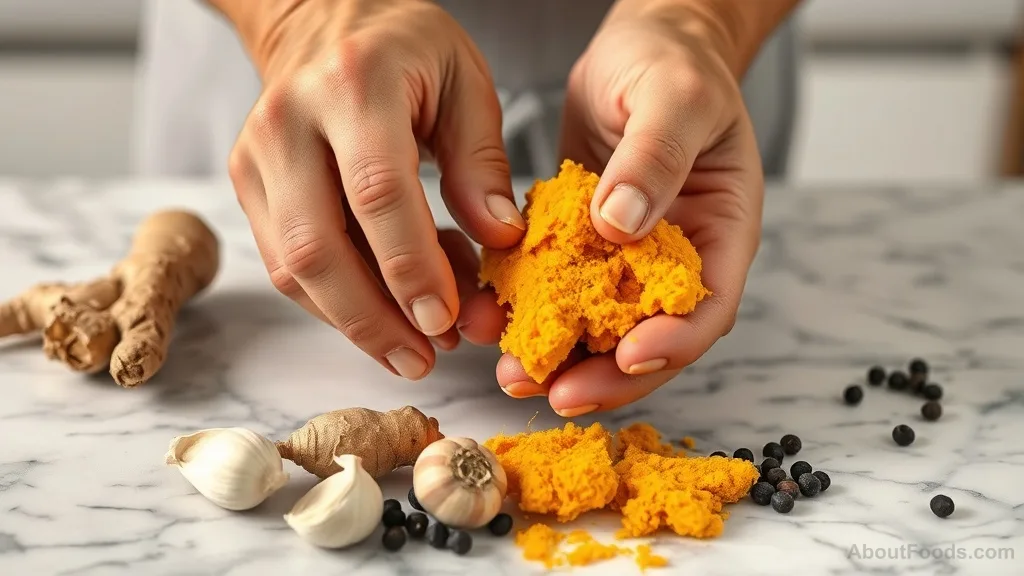
If my kitchen had a mascot, it would be turmeric—that brilliant yellow root that's been lighting up Sri Lankan cooking for centuries. We don't just use it for color; we respect it as a kitchen powerhouse. Fresh turmeric root has this earthy, peppery warmth that ground powder can't quite match, though both have their place.
- **Pair it with black pepper**: A little black pepper helps your body absorb turmeric's goodness more effectively. My grandmother always said 'pepper wakes up the turmeric!'
- **Try it fresh**: Grate fresh turmeric into soups
- stews
- or even smoothies. Start with about a teaspoon and adjust to your taste.
- **Make golden milk**: Simmer turmeric with milk (dairy or plant-based)
- a dash of cinnamon
- and a tiny pinch of black pepper for a soothing evening drink.
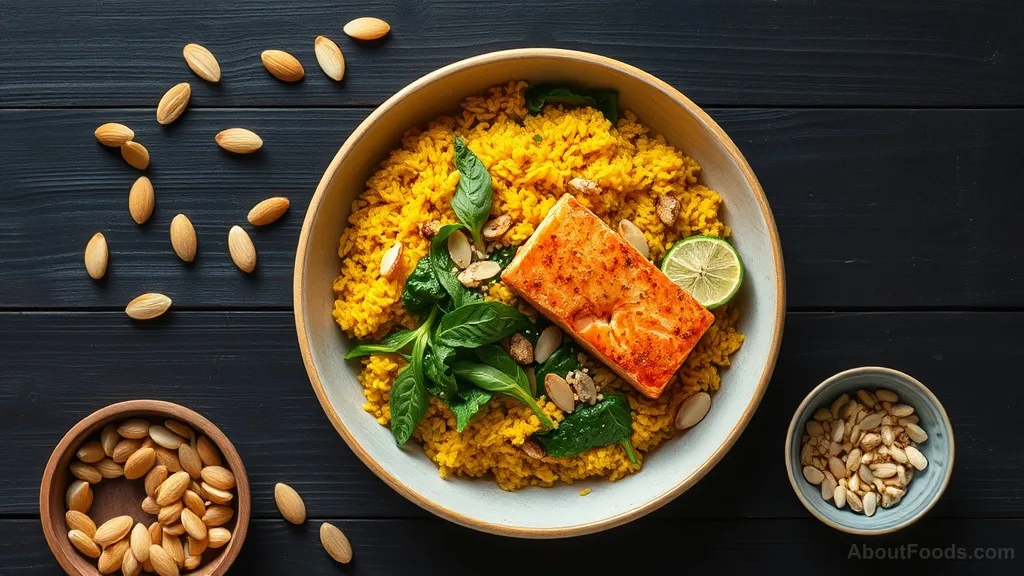
Common mistake? Using turmeric without any fat. Turmeric's beneficial compounds are fat-soluble, so cook it with a little oil or add it to dishes containing healthy fats. Try sautéing onions with turmeric in coconut oil before adding rice—you'll get fragrant, golden rice that's as beautiful as it is tasty.
Berries & Leafy Greens: Nature's Colorful Support
In Sri Lanka, we eat with our eyes first—the brighter the plate, the better! Those vibrant colors in berries and greens aren't just pretty; they're signals of the antioxidants and nutrients packed inside. Think of them as your body's cleanup crew, helping manage the everyday wear and tear of life.
| Food | How to Use It | Simple Tip |
|---|---|---|
| Blueberries | Add to morning oats or yogurt | Freeze for smoothies to keep them cool and creamy |
| Spinach | Sauté with garlic, add to curries | Wilt into soups just before serving to preserve nutrients |
| Kale | Massage with lemon juice for salads | Bake into crispy chips with a sprinkle of paprika |
| Raspberries | Top whole grain pancakes | Mash lightly with chia seeds for a quick jam |
Don't overthink it—just add color wherever you can. Toss berries into your breakfast, sneak spinach into your lunchtime wrap, or make a simple side salad with whatever greens look freshest at the market. Variety is key, so mix it up throughout the week!
Fatty Fish & Healthy Fats: The Smooth Operators
Living on an island taught me to respect the ocean's gifts, especially when it comes to fish like salmon and mackerel. These swimmers bring us omega-3 fatty acids—think of them as the smooth operators that help keep communication flowing smoothly in your body's systems.
- **Aim for 2 servings weekly**: A palm-sized portion of fatty fish twice a week is a good target.
- **Don't fear the fat**: Healthy fats from olive oil
- avocados
- and nuts are your friends. They help absorb nutrients from other foods.
- **Try canned options**: Quality canned salmon or sardines are affordable
- convenient
- and still packed with goodness.
In my kitchen, I love making a simple fish curry with coconut milk—the healthy fats from the fish and coconut work together beautifully. Or try drizzling good quality olive oil over roasted vegetables just before serving. The key is balance and quality, not elimination.
Ginger & Garlic: The Dynamic Duo
Walk into any Sri Lankan kitchen during cooking time, and you'll be greeted by the unmistakable aroma of ginger and garlic hitting hot oil. This isn't just about flavor—it's about starting your meal with ingredients that have been cherished for their supportive properties across cultures for generations.
My favorite trick? Make a big batch of ginger-garlic paste (equal parts peeled ginger and garlic, blended with a splash of water) and freeze it in ice cube trays. Pop out a cube whenever you're starting a curry, stir-fry, or soup base. It saves time and ensures you always have this dynamic duo ready to go!
Putting It All Together: Your Anti-Inflammatory Kitchen
Now, let's get practical! You don't need to overhaul your entire diet overnight. Start by adding one or two of these foods to your regular rotation. Remember, consistency beats perfection every time. Here's what a day might look like:.
The rhythm of healthy eating comes from making these foods regular guests at your table, not occasional visitors. Cook in batches when you can, keep your pantry stocked with spices and healthy fats, and most importantly—enjoy the process! Food should be a celebration, not a chore.
Your Anti-Inflammation Questions Answered
How quickly will I notice changes from eating these foods?
Everyone's body responds differently, but think of it as building habits rather than expecting immediate results. Consistency is key—focus on making these foods regular parts of your diet over weeks and months, not days.
Can I still eat foods that might cause inflammation?
Balance is everything! No food needs to be completely eliminated unless you have a specific intolerance. The goal is to increase the anti-inflammatory foods in your diet while being mindful of processed foods, excess sugar, and refined carbs. Think 'more of the good stuff' rather than strict elimination.
Are supplements as good as whole foods?
Whole foods offer a complex package of nutrients, fiber, and compounds that work together—something supplements can't fully replicate. Food should come first, though some people choose to supplement under professional guidance. When in doubt, eat the rainbow on your plate!
What about nightshade vegetables like tomatoes and peppers?
For most people, these nutritious vegetables are perfectly fine and even beneficial. Only a small percentage of individuals might be sensitive to nightshades. If you don't have a known sensitivity, enjoy tomatoes, peppers, and eggplants as part of your varied vegetable intake.
Rate this article
No ratings yet. Be the first to rate it.

Written by
Kasun Perera
Specialises in Sri Lankan cuisineKasun makes kottu roti on a griddle using two metal blades. The sound alone sells out his food truck.
Describe yourself in three words: Rhythmic, energetic, noisy cook.