Brain Health
How to Eat for Better Brain Health Without Overthinking It
Simple, everyday food choices can support your brain without complicated rules. Focus on colorful plates, healthy fats, and gentle routines that feel natural. Let your kitchen become a quiet space for nourishment.
Start with Your Plate, Not a Rulebook
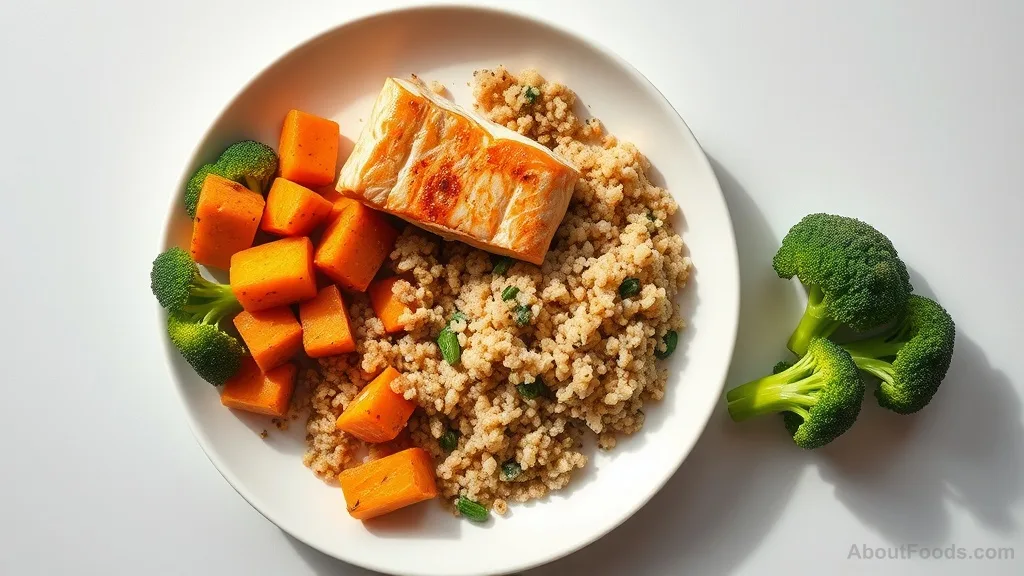
In my grandmother's kitchen in Hanoi, we never spoke of 'brain foods'—we simply ate what the earth gave us, in balance. The quiet wisdom was in the variety: a little fish from the river, greens from the garden, rice from the field. Today, science gives names to what she knew intuitively: nutrients that support our minds. But you don't need a biochemistry degree to eat well. Think of your plate as a canvas. Aim for color, texture, and simplicity. When half your plate holds vegetables and fruits, a quarter has protein like fish or beans, and a quarter has whole grains, you're already building a foundation. It's that straightforward—no counting, no stressing.
- Fill half your plate with colorful vegetables and fruits—think leafy greens
- berries
- carrots.
- Include a palm-sized portion of protein: salmon
- eggs
- lentils
- or tofu.
- Add a fist-sized serving of whole grains: brown rice
The Fats Your Brain Craves
For years, we feared fat, but your brain is nearly 60% fat—it needs the right kinds to thrive. Omega-3 fatty acids, found abundantly in fatty fish like salmon and mackerel, are like gentle caretakers for your brain cells. They help maintain flexibility and communication between neurons. If fish isn't your favorite, walnuts, flaxseeds, and chia seeds offer plant-based options. Don't overlook monounsaturated fats either: avocado on toast, a swirl of olive oil in your soup, a handful of almonds. These fats support blood flow and reduce inflammation, creating a calm environment for your mind to work. Remember, it's about inclusion, not perfection—a few servings each week make a difference.
Colorful Antioxidants: Nature's Protectors
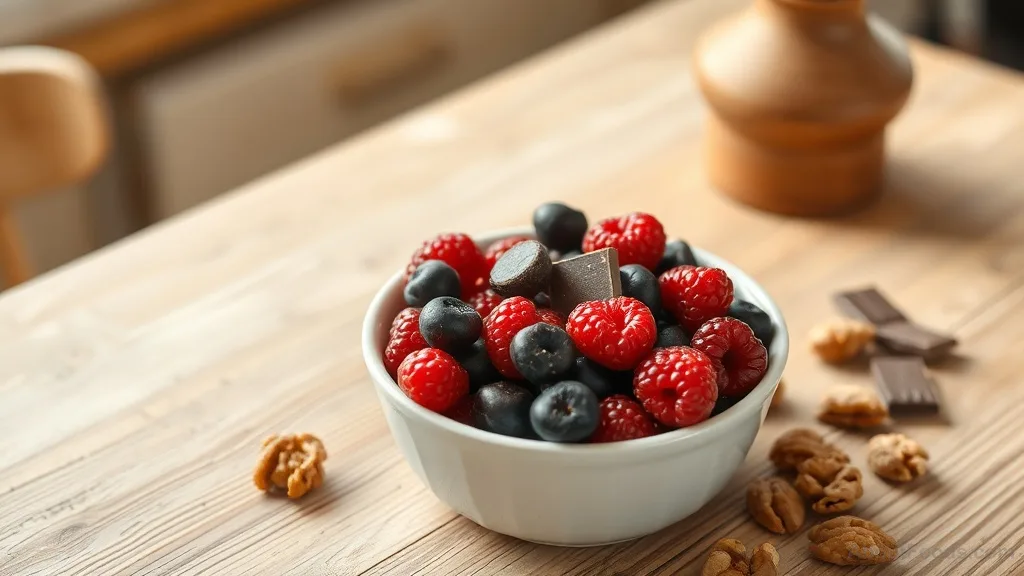
In Vietnamese markets, the vibrancy of produce tells a story—deep purple eggplants, bright orange pumpkins, emerald herbs. Those colors signal antioxidants, compounds that protect your brain from oxidative stress, much like a sturdy roof in a storm. Berries, especially blueberries and strawberries, are packed with flavonoids that may support memory. Dark leafy greens like spinach and kale offer vitamins E and K. Even spices like turmeric, with its golden hue, contain curcumin, known for its anti-inflammatory properties. Pair it with black pepper to boost absorption. Think of eating the rainbow: each color brings a unique set of protectors, no supplements needed.
| Color Group | Food Examples | Simple Ways to Use |
|---|---|---|
| Blue/Purple | Blueberries, blackberries, red cabbage | Add to oatmeal, blend into smoothies, shred into slaws |
| Green | Spinach, kale, broccoli, matcha | Sauté with garlic, blend into soups, steep as tea |
| Orange/Yellow | Sweet potatoes, carrots, turmeric | Roast as sides, grate into salads, simmer in curries |
| Red | Tomatoes, bell peppers, strawberries | Chop into salsas, roast with herbs, snack fresh |
Hydration and Gentle Stimulants
A cup of green tea, steaming gently, was my grandfather's morning ritual—a moment of calm before the day. Your brain is about 75% water, and even mild dehydration can cloud focus. Start your day with a glass of water, and keep a bottle nearby. Beyond water, consider gentle stimulants. Green tea offers L-theanine, which pairs with caffeine to promote alertness without jitters. Dark chocolate (70% cocoa or higher) provides flavonoids and a touch of sweetness. Herbal teas like peppermint or ginger can soothe without caffeine. Avoid sugary drinks; they lead to energy crashes. Let hydration be a quiet habit, like tending a garden—consistent, nurturing.
- Drink water throughout the day—aim for 8 glasses
- more if active.
- Swap soda for infused water with lemon or cucumber slices.
- Enjoy 1-2 cups of green tea daily for a calm energy boost.
- Savor a square of dark chocolate as an afternoon treat.
Simple Meal Ideas for Busy Days
You don't need elaborate recipes. In my home, we often prepare 'com bình dân'—ordinary meals that balance nutrients effortlessly. For breakfast, try oatmeal topped with walnuts and berries. Lunch could be a salad with leafy greens, grilled chicken, avocado, and a lemon-olive oil dressing. Dinner might be baked salmon with quinoa and roasted vegetables. Snack on carrot sticks with hummus or an apple with almond butter. Batch-cook grains and roasted veggies on weekends to save time. The goal is nourishment, not culinary mastery. Let your kitchen smell of star anise and simplicity—each meal a small act of care.
Common Mistakes to Avoid
In the quest for health, we sometimes overcomplicate. Skipping meals, especially breakfast, can leave your brain foggy. Relying on processed 'brain-boost' snacks often adds sugar and artificial ingredients. Overloading on caffeine leads to crashes. Ignoring hunger signals disrupts natural rhythms. Instead, listen to your body. Eat when hungry, stop when satisfied. Choose whole foods over packaged ones. Balance is key—no single food is a magic pill. Like the steady rhythm of a Vietnamese coffee drip, let your eating be consistent and gentle.
- Skipping meals: Regular eating maintains steady energy.
- Overdoing sugar: Opt for natural sweetness from fruits.
- Neglecting variety: Rotate foods to get a range of nutrients.
- Eating in distraction: Sit down
- savor your food mindfully.
FAQs: Your Questions Answered
Do I need to eat fish to support my brain?
No, fish is a great source of omega-3s, but walnuts, flaxseeds, and algae-based supplements offer plant-based alternatives. Include a variety of healthy fats.
How quickly will I notice changes?
Nutrition works gradually. Consistency over weeks or months supports long-term brain health, rather than immediate effects.
Can I still enjoy treats?
Yes, balance is essential. Enjoy dark chocolate or a small dessert mindfully—deprivation often backfires.
Are supplements necessary?
Focus on food first. A varied diet typically provides needed nutrients. Consult a professional before adding supplements.
What if I'm too busy to cook?
Keep it simple: pre-cut veggies, canned beans, frozen berries, and pre-cooked grains make assembly easy. Prioritize whole foods over takeout.
Rate this article
No ratings yet. Be the first to rate it.
Written by
Linh Nguyen
Specialises in Vietnamese cuisineLinh makes pho that takes 12 hours. She says the secret is charring the ginger and onion until they weep.
Describe yourself in three words: Quiet, devoted, smells of star anise.