Skin Health
How to Eat for Better Skin Health Without Overthinking It: A Simple, Nourishing Guide
Discover straightforward, delicious ways to support your skin through everyday foods without strict diets or complicated routines. Learn which nutrient-rich ingredients to embrace and how to incorporate them effortlessly into meals you already enjoy.
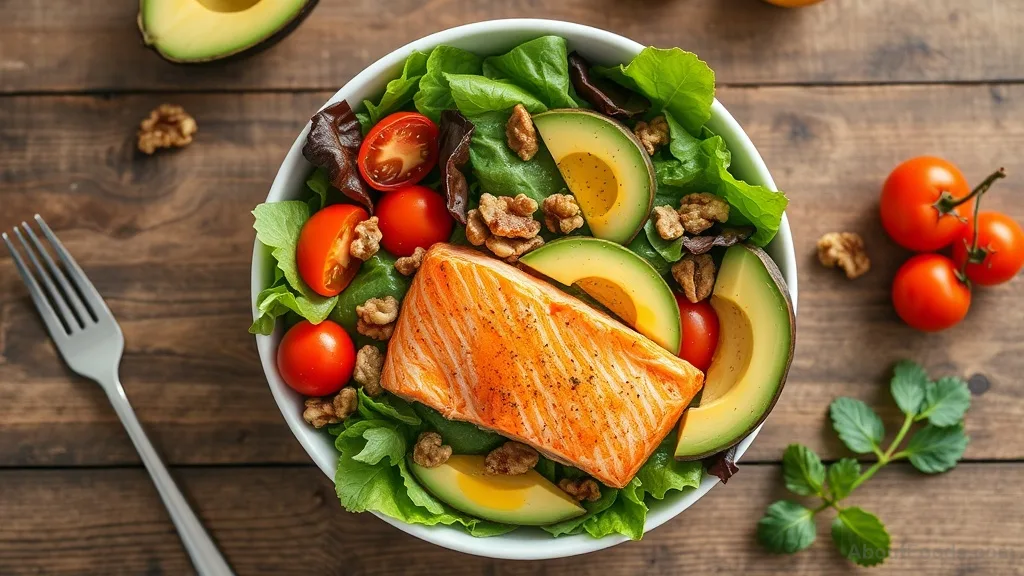

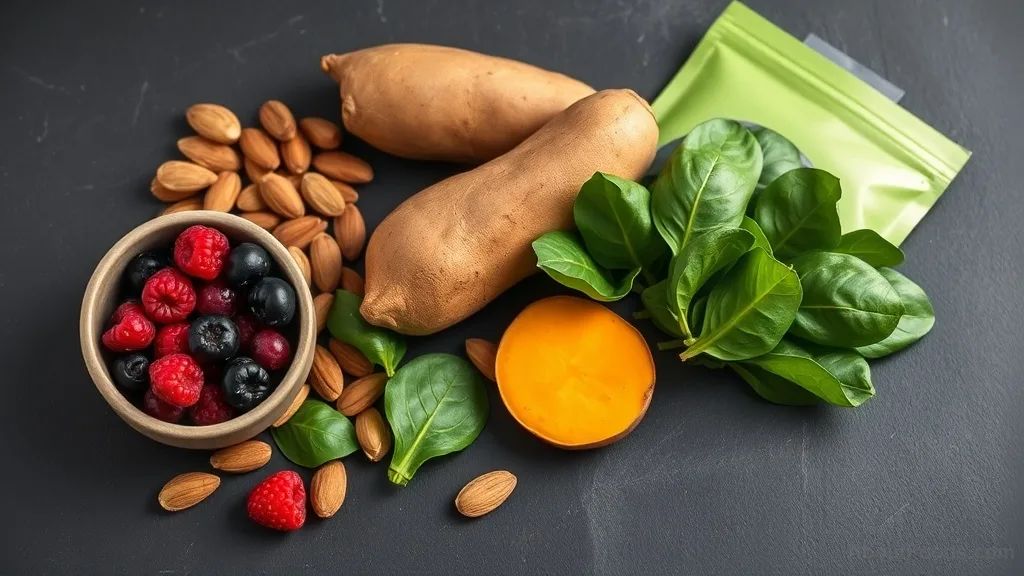
How to Eat for Better Skin Health Without Overthinking It
Hello from my nighttime kitchen—where the tea is always brewing and simple wisdom often comes when the world is quiet. I'm Nabin, and like many who grew up with Nepalese traditions of eating what the land provides, I've learned that nourishing your skin doesn't require complicated plans or expensive supplements. It's about returning to basics: real food, prepared with care, eaten with joy. In this guide, I'll share practical, no-fuss ways to eat for better skin health, focusing on ingredients you probably already have and meals you'll actually want to eat. No strict rules, just gentle guidance.
Why Food Matters for Your Skin (And Why Simplicity Wins)
Your skin is your body's largest organ, and like any organ, it thrives on proper nourishment. Think of it as a garden: feed it well, and it flourishes; neglect it, and it shows. While creams and treatments have their place, what you eat provides the building blocks for healthy skin cells, hydration, and protection from environmental stress. The beauty of focusing on food? You don't need to overthink it. Instead of chasing trends or restrictive diets, we'll focus on incorporating nutrient-rich foods into your existing routines—because the best approach is one you can sustain without stress.
- Skin reflects internal health: Dehydration
- nutrient deficiencies
- or inflammation often show up first on your skin.
- Food provides essential nutrients: Vitamins
- minerals
- antioxidants
- and healthy fats from whole foods support skin structure and function.
- Simplicity reduces overwhelm: Choosing a few key foods to add to your meals is more effective than trying to follow a perfect diet.
The Core Nutrients Your Skin Loves (And Where to Find Them)
Instead of memorizing long lists of 'superfoods,' focus on these essential nutrients and the everyday foods that contain them. These are the heroes that support skin hydration, elasticity, and protection—and they're hiding in plain sight in your kitchen.
Simple Swaps and Additions for Everyday Meals
You don't need to overhaul your diet to see benefits. Start with these effortless adjustments that add skin-loving nutrients without extra effort. As someone who cooks late into the night, I've found these small changes make the biggest difference over time.
Hydration: The Often-Forgotten Skin Essential
While we sleep, our bodies work to repair and hydrate—but they need adequate water to do so. Dehydrated skin can appear dull, feel tight, and show fine lines more prominently. Drinking enough water is crucial, but you can also 'eat your water' through hydrating foods. As a night owl, I keep a pitcher of infused water nearby; it's a simple habit that makes hydration more appealing.
Aim to drink water consistently throughout the day rather than large amounts at once. Keep a reusable bottle visible, and listen to your body's thirst signals—they're usually right.
Common Mistakes When Eating for Skin Health (And How to Avoid Them)
In our quest for better skin, we sometimes overcomplicate things or fall for quick fixes. Here are a few pitfalls I've noticed—and how to steer clear of them while keeping your approach simple and sustainable.
- Over-restricting: Cutting out entire food groups can lead to nutrient gaps and stress. Focus on adding nourishing foods instead.
- Ignoring variety: Eating the same 'healthy' foods daily limits nutrient diversity. Rotate your fruits
- vegetables
- and protein sources.
- Forgetting about fats: Healthy fats from avocados
- nuts
- and olive oil are essential for skin elasticity. Don't fear them.
- Relying only on supplements: Whole foods provide a complex matrix of nutrients that work together better than isolated supplements.
Putting It All Together: A Day of Simple, Skin-Friendly Eating
To show how these principles work in practice, here's what a day of eating for skin health might look like—flexible, delicious, and utterly uncomplicated. Adjust based on your preferences and what's in your kitchen.
Remember, this is a template, not a prescription. Use what you have, enjoy what you eat, and let your body guide you. The goal is nourishment, not perfection.
Frequently Asked Questions About Eating for Skin Health
How long does it take to see changes in my skin from dietary adjustments?
While some people notice improvements in hydration and glow within a few weeks, significant changes often take a few months as your skin cells regenerate. Consistency with nutrient-rich foods and hydration is key—think of it as a long-term investment rather than a quick fix.
Do I need to avoid any specific foods for better skin?
Unless you have a known sensitivity or allergy, there's no need to eliminate foods entirely. Some people find that reducing highly processed foods, excessive sugar, or dairy helps their skin, but this varies individually. Focus first on adding nourishing foods; if you suspect a particular food affects you, experiment mindfully or consult a healthcare professional.
Can I just take supplements instead of changing my diet?
Whole foods provide a complex balance of nutrients, fiber, and phytochemicals that supplements can't fully replicate. While supplements can help address specific deficiencies under guidance, they shouldn't replace a varied diet. Start with food—it's more enjoyable and often more effective.
What if I don't have time to cook elaborate meals?
Skin-friendly eating doesn't require elaborate cooking. Simple options like pre-cut vegetables, canned beans, frozen berries, and pre-cooked salmon make it easy. Batch-cook staples like quinoa or roast vegetables when you have time, and keep healthy snacks on hand. Even small additions—like nuts on yogurt or spinach in a smoothie—count.
Are there specific foods that help with acne or dryness?
Foods rich in zinc (like pumpkin seeds), omega-3s (like salmon), and antioxidants (like berries) may support skin prone to acne by reducing inflammation. For dryness, focus on hydration through water-rich foods and healthy fats from avocados and olive oil. However, individual responses vary, and severe skin concerns should be discussed with a dermatologist.
Final Thoughts: Nourish Your Skin, Nourish Yourself
As the moon rises and my kitchen grows quiet again, I'm reminded that eating for better skin health is really about eating for better overall well-being. It's not about achieving flawless skin overnight—it's about choosing foods that make you feel vibrant from the inside out. Start with one simple change: drink an extra glass of water, add avocado to your lunch, or snack on berries instead of processed treats. Let these habits accumulate gently, like ingredients in a slow-simmered broth. Your skin, and your whole self, will thank you for the kindness. Sleep well, eat well, and let your natural glow shine through.
Rate this article
4.3 out of 5 from 11 ratings

Written by
Nabin Gurung
Specialises in Nepalese cuisineNabin makes momos at 3am when he can't sleep. His chili oil is classified as a controlled substance by his roommates.
Describe yourself in three words: Sleepy but brilliant, lives nocturnally.