Heart Health
The Heart-Healthy Pantry: 10 Ingredients That Actually Make a Difference
Transform your kitchen with ingredients that support cardiovascular wellness through flavor, not deprivation. I'll show you how to build a heart-smart pantry that works with your lifestyle, not against it.
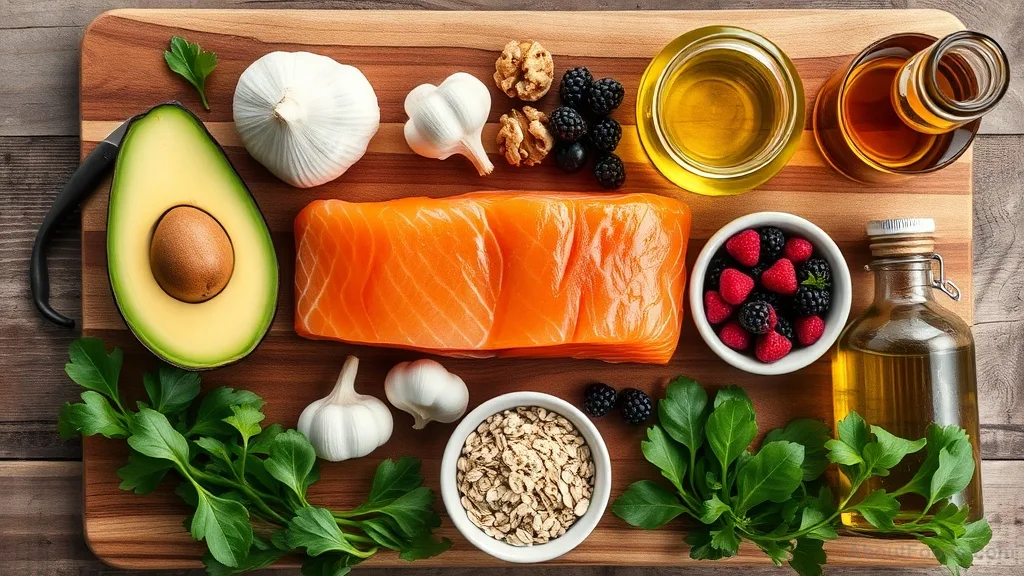
Why Your Pantry Matters More Than You Think
Let me be real with you—I grew up in a kitchen where flavor reigned supreme, where my abuela's sofrito and my lola's adobo taught me that food should never be boring. But here's the truth I've learned through years of culinary experimentation: supporting your heart doesn't mean sacrificing taste. In fact, the most vibrant, exciting ingredients often happen to be the ones that love your heart back. This isn't about restriction; it's about celebration. It's about building a kitchen foundation that works for you, not against you.
Think of your pantry as your first line of defense—and your greatest source of culinary inspiration. When you stock it with ingredients that naturally support cardiovascular wellness, healthy eating becomes automatic. You're not fighting cravings or feeling deprived; you're simply reaching for foods that nourish you from the inside out. And trust me, once you taste how good heart-healthy can be, you'll never look back.
The Heart-Smart Foundation: Fats That Actually Love You Back
Forget everything you've heard about avoiding fat. The right fats aren't just good for you—they're essential. These are the fats that help maintain healthy cholesterol levels, reduce inflammation, and keep your cardiovascular system humming. And they happen to make everything taste incredible.
- **Avocado**: Creamy
- rich
- and packed with monounsaturated fats. I use it everywhere—spread on toast
- blended into smoothies
- or simply sliced over everything. Pro tip: A perfectly ripe avocado should yield slightly to gentle pressure.
- **Extra Virgin Olive Oil**: This is your liquid gold. Cold-pressed
- unfiltered EVOO is rich in antioxidants and perfect for drizzling over finished dishes. Don't cook with your best bottle—save that for salads and garnishes.
- **Walnuts**: These little powerhouses contain omega-3 fatty acids and make the perfect crunchy topping. Toast them lightly to bring out their natural oils and deepen their flavor.
Protein Powerhouses: Beyond the Basic Chicken Breast
When we think protein, our minds often go straight to lean meats. But some of the best heart-supportive proteins come from surprising places. These ingredients bring complete nutrition to your plate while delivering flavors that transform ordinary meals into something special.
| Ingredient | Why It Works | How to Use It |
|---|---|---|
| Fatty Fish (Salmon, Mackerel) | Rich in omega-3 fatty acids that support cardiovascular wellness | Grill with citrus and herbs, bake in parchment, or add to grain bowls |
| Legumes (Lentils, Black Beans) | High in fiber and plant-based protein, naturally low in saturated fat | Make hearty soups, veggie burgers, or add to salads for substance |
| Nuts & Seeds | Provide healthy fats, fiber, and plant sterols | Sprinkle on oatmeal, blend into nut butters, or use as crust for proteins |
My personal favorite? A simple salmon fillet with a garlic-herb crust, served with a massive salad dressed in lemon and olive oil. It feels indulgent but is actually doing your heart favors. And don't sleep on lentils—they're the ultimate pantry staple that can transform into everything from shepherd's pie to creamy dal.
Fiber: The Secret Weapon You're Probably Missing
If there's one thing I wish everyone understood about heart health, it's this: fiber is your best friend. And no, I'm not talking about flavorless bran muffins. I'm talking about ingredients that naturally pack a fiber punch while delivering incredible taste and texture.
Start your day with steel-cut oats topped with berries and walnuts, and you've already checked multiple heart-healthy boxes before 9 AM. The soluble fiber in oats is particularly supportive of healthy cholesterol levels, and when combined with antioxidant-rich berries, you've got a breakfast that tastes like dessert but acts like medicine for your heart.
Flavor Boosters That Do Double Duty
Here's where my fusion background really shines: ingredients that add massive flavor while delivering heart benefits. These are the secret weapons that make healthy food irresistible.
- **Garlic**: More than just aromatic
- garlic contains compounds that may support cardiovascular wellness. Use it fresh and raw in dressings
- or roast whole heads until caramelized and sweet.
- **Dark Chocolate** (70% or higher): Yes
- really. In moderation
- high-quality dark chocolate provides flavonoids and antioxidants. Shave it over oatmeal or enjoy a square after dinner.
- **Turmeric & Ginger**: These warming spices add depth to dishes while providing anti-inflammatory benefits. Add turmeric to rice or smoothies
- and use fresh ginger in stir-fries and teas.
My go-to? A simple vinaigrette with crushed garlic, lemon juice, and olive oil. It transforms any vegetable into something crave-worthy. Or try adding cocoa powder to your chili—it creates incredible depth without sweetness.
Building Your Heart-Healthy Plate: A Practical Framework
Now that you know the ingredients, let's talk about how to actually use them. This isn't about complicated recipes—it's about simple combinations that become second nature.
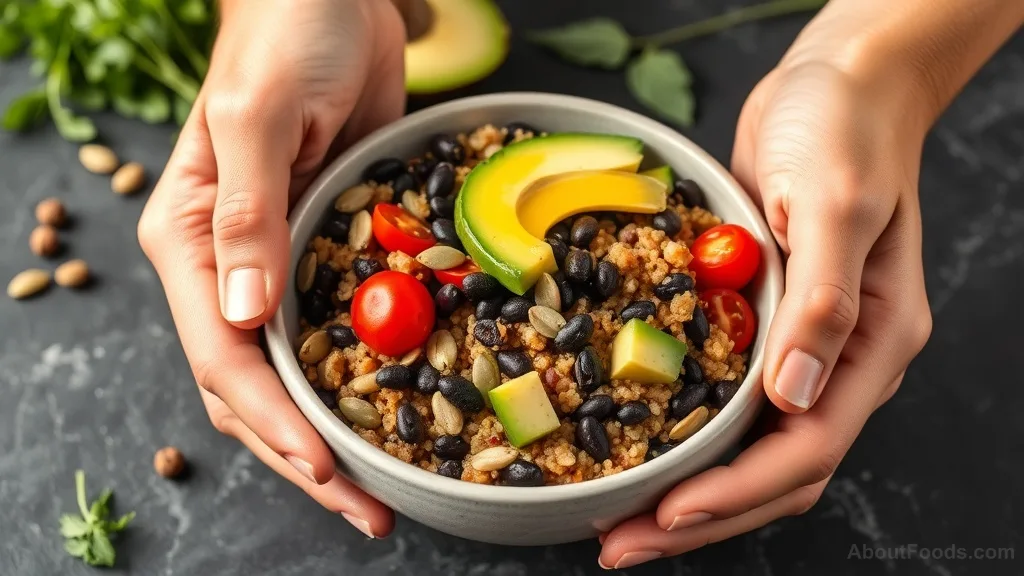
Example: Quinoa bowl with black beans (protein + fiber), roasted sweet potatoes (fiber), massaged kale (vegetables + fiber), avocado slices (healthy fat), and a garlic-lemon dressing (flavor boost). It's satisfying, delicious, and checks every heart-healthy box without feeling like 'health food.'.
Remember: Perfection isn't the goal. Consistency is. If 80% of your meals follow this framework, you're doing amazing. The other 20%? That's for life, for celebration, for the foods that feed your soul as well as your body.
Common Mistakes & How to Avoid Them
Even with the best intentions, we all stumble. Here are the pitfalls I've seen—and how to navigate them gracefully.
- **Overcomplicating Things**: Heart-healthy eating doesn't require exotic ingredients or hours in the kitchen. Stick with the staples listed here and keep preparations simple.
- **Focusing Only on Subtraction**: Instead of thinking about what to remove
- focus on what to add. More vegetables
- more whole grains
- more healthy fats.
- **Neglecting Flavor**: Healthy food that tastes bland won't become a habit. Use herbs
- spices
- citrus
Your Heart-Healthy Questions, Answered
Do I need to buy everything organic?
Not necessarily. If budget is a concern, prioritize organic for the 'Dirty Dozen' (produce with higher pesticide residues) like berries and leafy greens. For items with thicker skins or peels, conventional is fine.
How do I make sure I'm getting enough protein without meat?
Combine plant proteins throughout the day. Lentils, beans, nuts, seeds, and whole grains all contribute. Most people eating varied plant-based diets easily meet protein needs.
Is canned fish as good as fresh?
Canned salmon and sardines are excellent, affordable options that retain their omega-3s. Look for options packed in water or olive oil rather than soybean or vegetable oils.
How much of these foods should I eat daily?
Aim for variety rather than specific quantities. Include at least one heart-healthy ingredient from each category (healthy fats, fiber-rich foods, colorful produce) in every meal.
What about eggs?
Eggs can be part of a heart-healthy pattern when consumed in moderation. Pair them with vegetables and whole grains rather than processed meats.
Rate this article
No ratings yet. Be the first to rate it.

Written by
Isla Mendoza
Specialises in Latin Asian cuisineIsla grew up in Lima with a Chinese grandmother and a Peruvian father. She puts soy sauce on ceviche and gets away with it.
Describe yourself in three words: Bold, experimental, unapologetic fusion queen.