Seasonal Produce
Smart Seasonal Produce Picks: How to Eat Well Without Breaking the Bank
Discover how to make the most of affordable seasonal produce with practical tips and creative ideas. Learn which fruits and vegetables offer the best value each season and how to transform them into delicious meals. This guide helps you eat fresh, save money, and reduce food waste in your kitchen.
Why Seasonal Eating is Your Kitchen's Best Friend
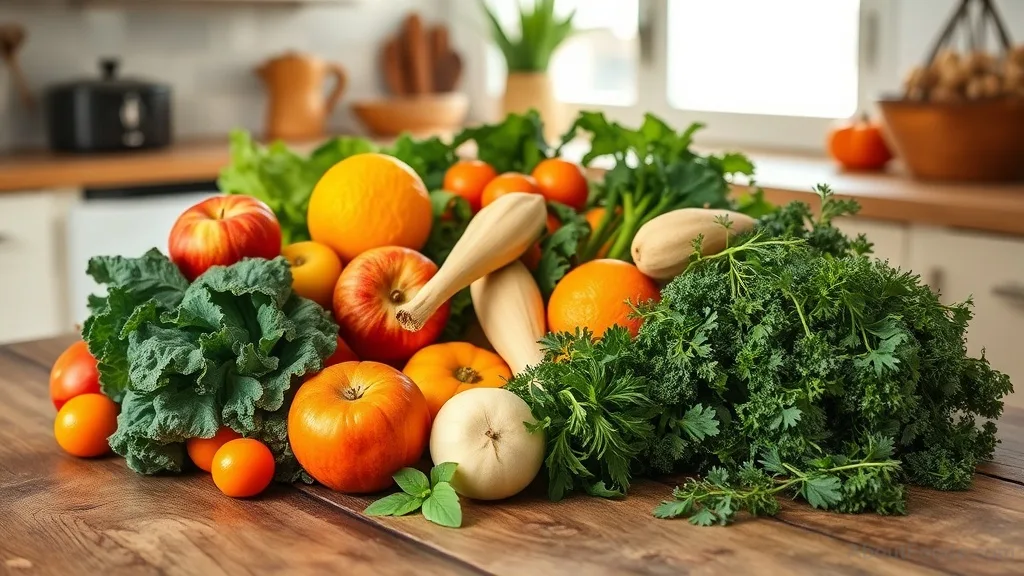
Let me tell you a secret I learned from my grandmother's kitchen in Mumbai: the most flavorful, nutritious, and affordable cooking starts with what's in season. When produce is at its peak, it's not just cheaper—it tastes better, lasts longer, and gives you more nutritional bang for your buck. As someone who geeked out over fermentation science before it was cool (yes, I'm that sourdough nerd), I've come to appreciate how seasonal rhythms create natural kitchen efficiency. This guide isn't about fancy ingredients or complicated techniques. It's about making smart choices that let you eat well without watching your grocery budget evaporate.
- Seasonal produce costs 20-50% less than out-of-season counterparts
- Peak-season fruits and vegetables have higher nutrient density
- Local seasonal items travel less distance
- reducing environmental impact
- You'll naturally rotate through different nutrients throughout the year
Your Seasonal Produce Roadmap: What to Buy When
Knowing what's in season is half the battle won. Here's your quick-reference guide to the most affordable produce throughout the year. Remember, exact timing varies by region, but these general patterns hold true across most areas.
| Season | Most Affordable Produce | Price Range (per lb) | Best Uses |
|---|---|---|---|
| Spring | Asparagus, spinach, peas, radishes, strawberries | $1.50-$3.00 | Salads, quick sautés, fresh garnishes |
| Summer | Tomatoes, zucchini, corn, berries, stone fruits | $0.99-$2.50 | Grilling, fresh salads, preserves, desserts |
| Fall | Apples, squash, sweet potatoes, Brussels sprouts, pears | $0.79-$1.99 | Roasting, soups, baking, hearty salads |
| Winter | Citrus, kale, cabbage, carrots, potatoes, onions | $0.69-$1.79 | Soups, stews, braises, roasted dishes |
Pro tip from this crispy-fried-okra enthusiast: Don't overlook 'ugly' produce. Slightly misshapen fruits and vegetables often sell at deep discounts but taste exactly the same. They're perfect for soups, sauces, and any cooked application where appearance doesn't matter.
The Art of the Seasonal Kitchen: Practical Strategies
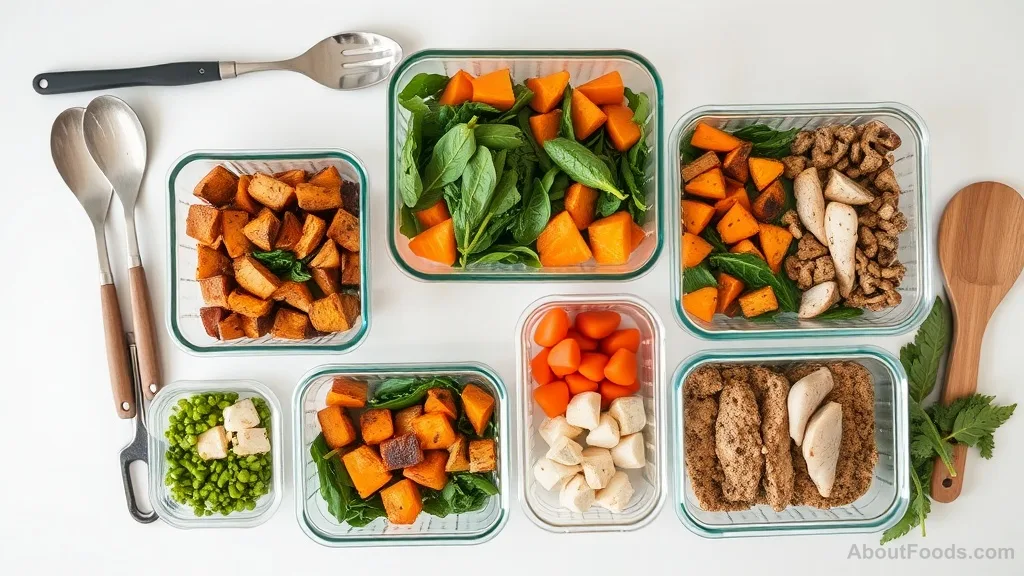
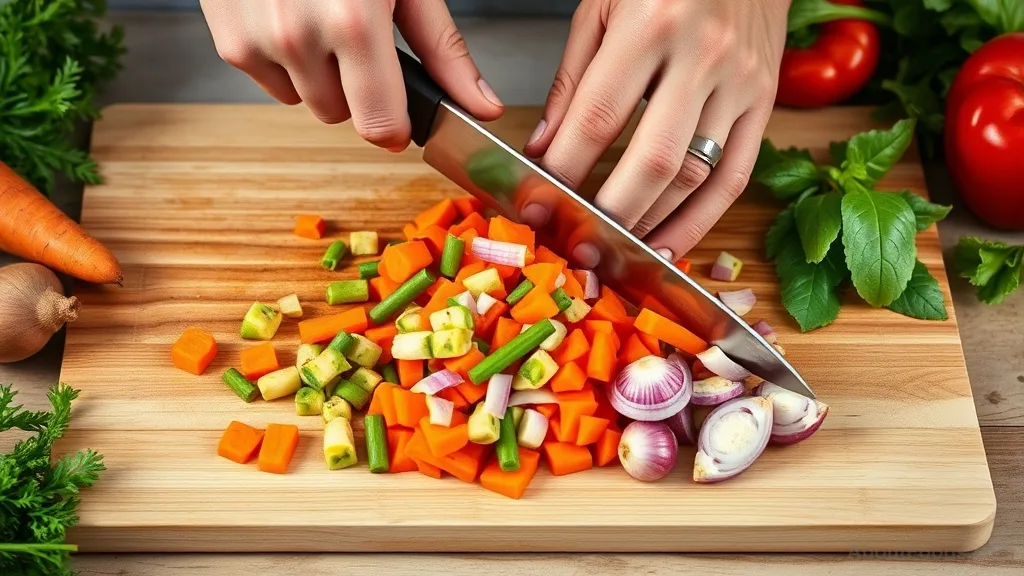
Buying seasonal is one thing; using it efficiently is another. Here's where my nerdy side really shines—I love systems that make cooking easier and more economical. These strategies have saved me countless dollars and reduced my food waste to almost zero.
Seasonal Meal Ideas That Won't Break the Bank
Let's get practical. Here are my favorite ways to turn affordable seasonal produce into satisfying meals. These ideas work for any skill level and most dietary preferences.
Remember what my mother always said: 'The best masala starts with the freshest ingredients.' When you build your meals around what's seasonal and affordable, you're working with nature's timing rather than against it. The flavors will be brighter, your wallet happier, and your cooking more inspired.
Storage Secrets for Maximum Freshness
Nothing hurts more than watching beautiful produce wilt before you can use it. Proper storage can extend the life of your seasonal finds by days or even weeks. Here's what actually works, tested in real kitchens (not just lab conditions).
- Leafy greens: Store unwashed in airtight containers with a dry paper towel to absorb moisture
- Berries: Don't wash until ready to use
- store in single layers if possible
- Tomatoes: Never refrigerate
- keep stem-side down on counter away from direct sun
- Root vegetables: Remove greens (they draw moisture from roots)
- store in cool
- dark place
My sourdough-starter mentality applies here too: observation is key. Check your produce every couple days, use what's ripening fastest first, and don't be afraid to cook something slightly past its prime—soups and sauces are very forgiving.
Common Mistakes and How to Avoid Them
Even seasoned cooks make these errors. Being aware of them will save you money and frustration.
Seasonal Produce FAQ: Your Questions Answered
How do I know what's truly in season in my area?
Check your state's agricultural department website—most publish seasonal guides. Alternatively, visit local farmers markets and see what's abundant. When something appears everywhere in large quantities at good prices, it's in season.
Is organic seasonal produce worth the extra cost?
Prioritize organic for the 'Dirty Dozen' (produce with highest pesticide residues) when they're in season and affordable. For the 'Clean Fifteen,' conventional is fine. Remember: conventionally grown seasonal produce is still better than organic out-of-season imports nutritionally and environmentally.
How can I incorporate seasonal eating with meal planning?
Plan meals after you shop, not before. See what's on sale and abundant, then build your weekly meals around those items. Keep pantry staples (grains, legumes, spices) on hand to complete meals with your fresh finds.
What if my family doesn't like certain seasonal vegetables?
Preparation method matters greatly. Many vegetable-haters enjoy them roasted, grilled, or blended into soups. Also try different varieties—some squash types are sweeter than others, some greens milder. Persistence with preparation variety often wins over picky eaters.
How much money can I really save eating seasonally?
Most households save 20-40% on their produce budget by focusing on seasonal items. The savings increase when you buy in bulk during peak season and preserve or freeze extras. Over a year, this can amount to hundreds of dollars.
Seasonal eating isn't a rigid doctrine—it's a flexible framework that makes cooking more joyful, affordable, and connected to the rhythms around us. Start with one seasonal item this week, build from there, and watch how your kitchen transforms. Happy cooking!
Rate this article
4.8 out of 5 from 19 ratings

Written by
Anaya Iyer
Specialises in Indian cuisineAnaya Iyer (not Patel or Sharma) makes dosas so crisp they shatter like glass. She is a fermentation nerd.
Describe yourself in three words: Crispy, nerdy, sourdoh.