Pantry Staples
A Beginner-Friendly Guide to Pantry Staples: Build Your Kitchen Foundation
Learn how to stock your pantry with essential ingredients that make cooking easier, more flavorful, and less stressful. This guide breaks down must-have staples into practical categories with specific recommendations and usage tips. You'll build a versatile foundation that supports countless meals.
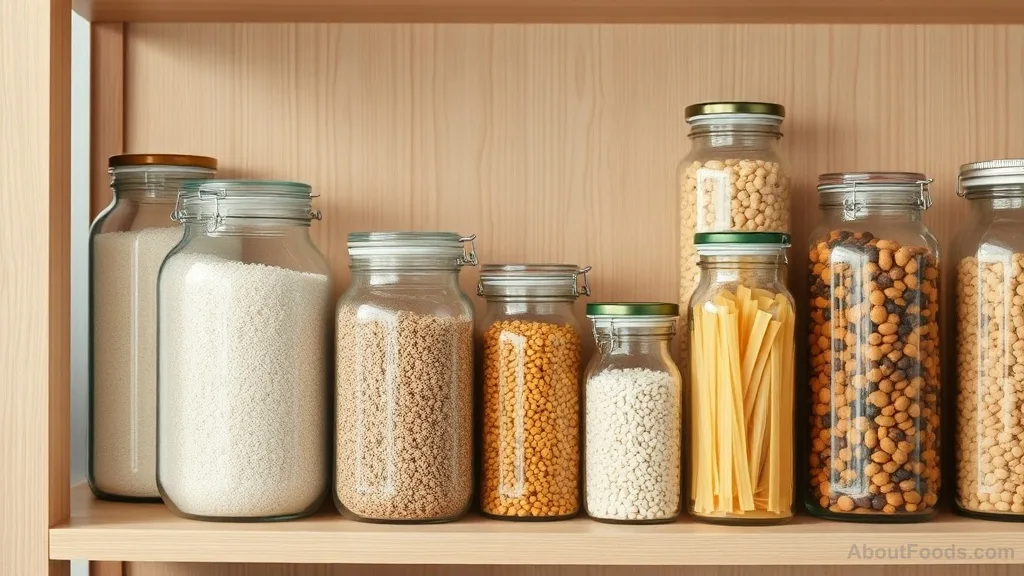
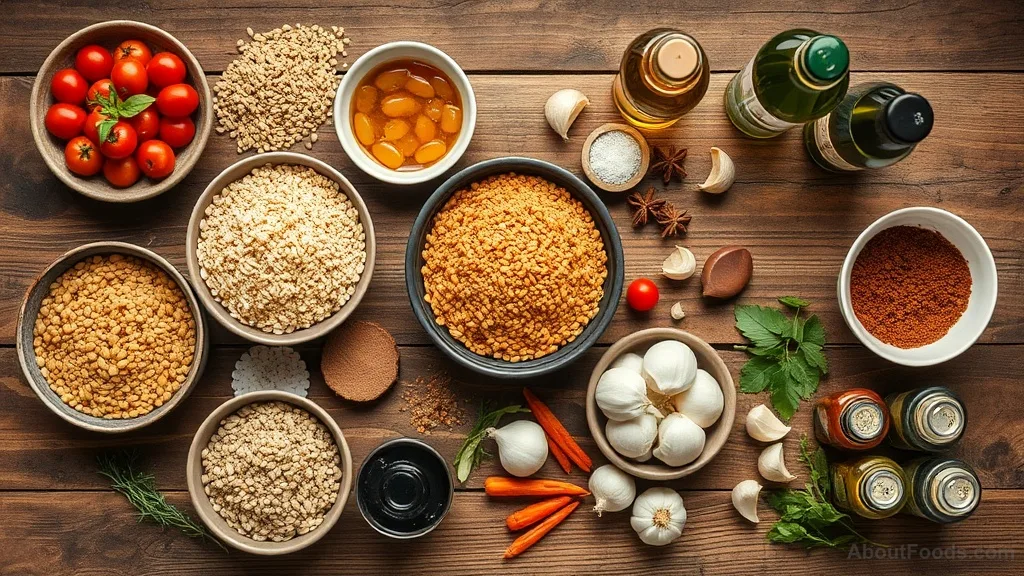
Why Pantry Staples Matter: Your Kitchen's Foundation
As someone who measures umami like it's a scientific metric (because, well, it kind of is), I can tell you that a well-stocked pantry transforms cooking from a chore into a creative joy. Think of pantry staples as your kitchen's foundation—they're the reliable ingredients that let you whip up meals without last-minute grocery runs. When you have these basics on hand, you're never more than 30 minutes from a satisfying dinner.
A good pantry isn't about having every exotic ingredient; it's about having versatile components that work together. From my Thai kitchen background, I've learned that the most flavorful dishes often come from simple, quality staples combined thoughtfully. Let's build your pantry methodically, category by category.
The Core Categories: What You Actually Need
Instead of overwhelming you with a giant shopping list, I've organized essentials into five practical categories. Start with one category at a time if you're building from scratch.
Notice I didn't include every spice under the sun. Start with salt, black pepper, and maybe cumin and paprika. You can expand as you cook more. The fish sauce? That's my umami-geek side showing—it adds incredible depth to soups, marinades, and even non-Asian dishes.
Practical Storage & Organization Tips
A pantry only works if you can find what you need. Here's my methodical approach to keeping things accessible.
I keep a small notebook in my kitchen to track what I use most. After a month, you'll notice patterns—maybe you go through canned tomatoes faster than expected, or that fancy vinegar sits untouched. Adjust your staples accordingly.
Building Flavor: The Umami Metrics Approach
Let's geek out on flavor for a moment. Great cooking isn't about complicated techniques—it's about layering flavors from your pantry. Here's how your staples work together.
Notice how each combination uses multiple pantry categories? That's intentional. The canned tomatoes provide acidity and body, the garlic adds aromatic punch, and the olive oil brings richness. When you understand how these elements interact, you can improvise confidently.
My Thai kitchen taught me that fish sauce (despite its strong smell) is a secret umami weapon. A teaspoon in soups, stews, or even salad dressings adds depth without making things taste 'fishy.' It's my personal umami metric—I measure its impact in how many 'wow, what's in this?' comments I get.
Common Mistakes & How to Avoid Them
Even with the right ingredients, beginners often stumble on execution. Here's what to watch for.
The biggest mistake I see? Buying ingredients for one specific recipe and never using them again. Your pantry should work for multiple dishes. If you buy fish sauce, use it in soups, marinades, and dressings—not just that one Thai recipe.
Pantry Staples FAQ: Your Questions Answered
Rate this article
No ratings yet. Be the first to rate it.

Written by
Pim Saelim
Specialises in Thai cuisineThis Pim is a food scientist who weighs her fish sauce.
Describe yourself in three words: Methodical, geeky, lives for umami metrics.