High Protein
The Best High Protein Foods to Keep on Hand: A Practical Pantry Guide
Stocking your kitchen with versatile high-protein foods makes healthy eating effortless. This guide covers pantry staples, fresh ingredients, and budget-friendly options that deliver flavor and nutrition. Learn how to build a protein-rich foundation for satisfying meals.
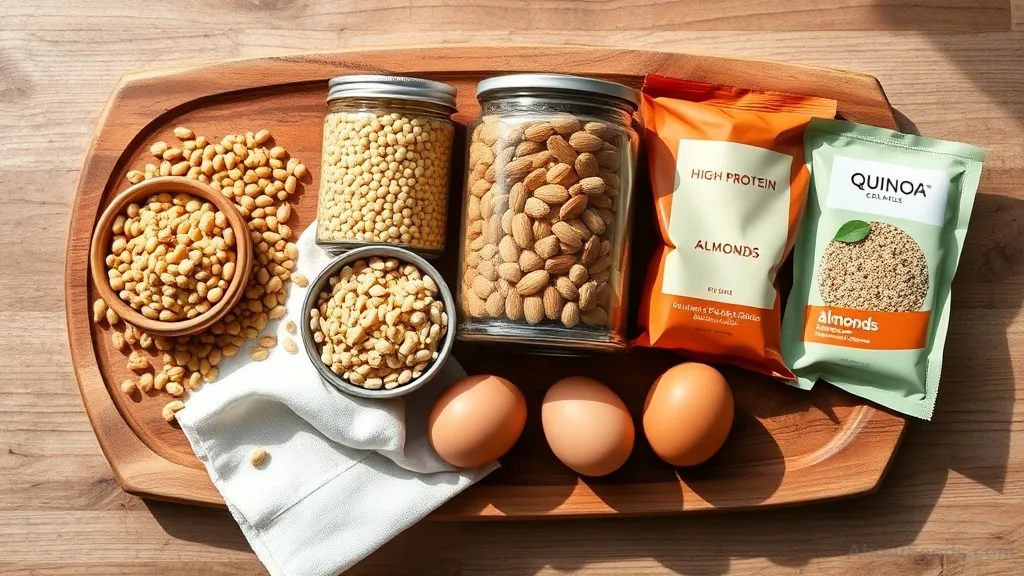
Why a Protein-Rich Pantry Matters
In my Moroccan kitchen, where scents of cumin and lemon linger on my hands, I’ve learned that good cooking starts with good ingredients—and nothing supports a vibrant, satisfying diet like having reliable protein sources within reach. Protein isn’t just for bodybuilders; it’s the foundation of meals that keep you full, energized, and nourished. When your pantry and fridge are stocked with versatile high-protein foods, throwing together a healthy lunch or a quick dinner becomes as effortless as brewing mint tea. This guide will help you build that foundation, focusing on foods that are practical, affordable, and delicious.
- Reduces last-minute unhealthy takeout decisions
- Supports balanced meals with minimal effort
- Saves money compared to pre-packaged options
- Offers flexibility for various dietary preferences
Pantry Staples: The Backbone of Protein-Packed Meals
These shelf-stable items are your kitchen’s quiet heroes. They wait patiently in your cupboard, ready to transform into soups, salads, and stews with just a little attention. In Morocco, we rely on legumes and grains not just for tradition, but for their incredible versatility and nutrition.
| Food | Protein per serving (approx.) | Best uses |
|---|---|---|
| Canned chickpeas | 7-8g per 1/2 cup | Hummus, salads, roasted snacks, stews |
| Dried lentils | 9g per 1/4 cup dry | Soups, curries, meatless "meat" mixtures |
| Canned tuna (in water) | 20g per 3-ounce can | Sandwiches, pasta dishes, salads |
| Quinoa | 4g per 1/2 cup cooked | Grain bowls, side dishes, breakfast porridge |
| Almonds | 6g per 1 ounce | Snacking, topping for yogurt, homemade nut butter |
A common mistake is overlooking canned beans because they seem basic, but they’re a treasure. Rinse them well to reduce sodium, and they’re ready in minutes. Keep a variety—black beans, kidney beans, chickpeas—to avoid monotony.
Fresh & Refrigerated Favorites
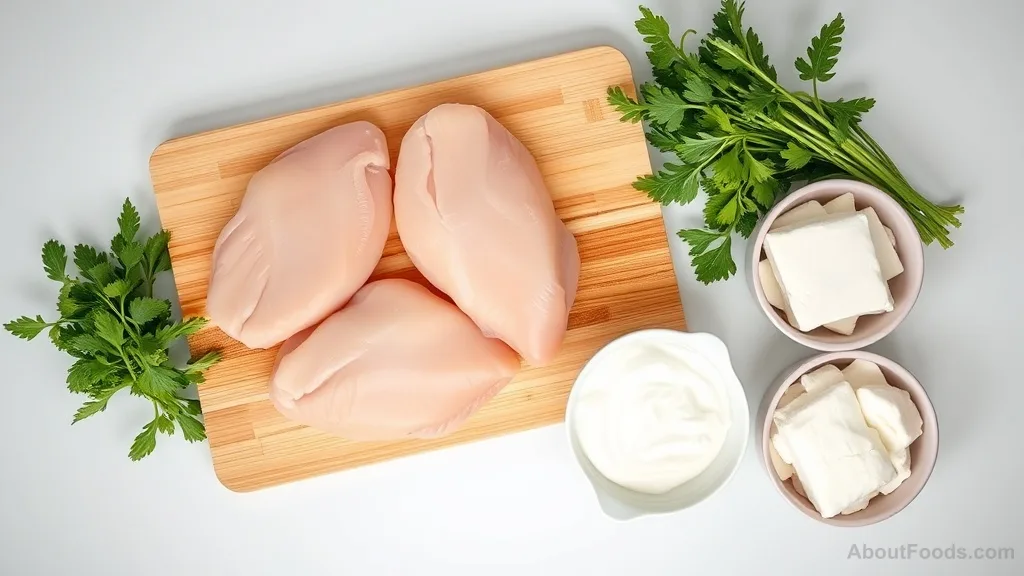
While pantry items provide stability, fresh proteins bring vitality to your meals. Think of these as your quick-response team for when hunger strikes and time is short. In my home, we always have eggs in the kitchen—they’re as essential as olive oil.
Store these properly: keep yogurt and cottage cheese sealed, and use tofu within a few days of opening. For longer storage, freeze chicken or fish in portioned bags.
Budget-Friendly Protein Choices
Eating well shouldn’t strain your wallet. In Moroccan markets, we prize ingredients that deliver value without sacrificing quality. Here are proteins that offer the most nutrition for your money.
- Dried beans and lentils: buy in bulk for the best price
- Canned fish: tuna and sardines are often less than $2 per can
- Whole chicken: cheaper per pound than pre-cut parts
- use the carcass for broth
- Eggs: one of the least expensive protein sources available
- Peanut butter: opt for natural versions without added sugar
A tip from my grandmother: soak dried beans overnight to reduce cooking time and fuel costs. Pair these with seasonal vegetables for complete, economical meals.
How to Use These Foods in Everyday Cooking
Having ingredients is one thing; knowing how to weave them into your routine is another. Let’s move from theory to practice with simple, actionable ideas.
Don’t overcomplicate it. Start with one or two new ingredients per week. For example, if you’re new to tofu, try crumbling it into a stir-fry with soy sauce and ginger—it absorbs flavors beautifully.
Common Mistakes to Avoid
Even with the best intentions, small errors can undermine your efforts. Here’s what to watch for, shared with the patience I’ve learned from years in the kitchen.
- Not rinsing canned beans: this can leave excess sodium and a metallic taste. Always rinse under cold water.
- Overcooking lean meats: chicken breast and fish dry out quickly. Use a meat thermometer and remove from heat just before done.
- Skipping variety: eating the same protein daily leads to boredom. Rotate between plant and animal sources.
- Ignoring portion sizes: protein is vital
- but balance it with vegetables and whole grains for a rounded meal.
- Storing improperly: keep nuts in airtight containers to prevent rancidity
- and refrigerate cooked proteins within two hours.
FAQs About High-Protein Foods
How much protein do I need daily?
Needs vary by age, activity level, and health goals, but a general guideline is about 0.8 grams per kilogram of body weight for adults. Focus on including a protein source in each meal rather than counting grams obsessively.
Can I get enough protein from plants alone?
Yes, by combining various plant sources like beans, lentils, nuts, and whole grains throughout the day. Diversity is key to getting all essential amino acids.
Are protein powders necessary?
Not for most people. Whole foods offer protein along with other nutrients like fiber and vitamins. Powders can be convenient for athletes or those with very high needs, but they’re not essential for a healthy diet.
How long do cooked proteins last in the fridge?
Cooked chicken, fish, beans, and tofu typically keep for 3-4 days in airtight containers. When in doubt, smell and look for any off odors or colors.
What’s the best high-protein snack for on-the-go?
Hard-boiled eggs, a small container of Greek yogurt, or a handful of almonds are portable and satisfying. Pair with a piece of fruit for extra energy.
Rate this article
No ratings yet. Be the first to rate it.

Written by
Youssef Benali
Specialises in Moroccan cuisineYoussef makes tagine with preserved lemons he aged for 6 months. He is a patient man.
Describe yourself in three words: Patient, fragrant, lemon hands.