Pantry Staples
Pantry Staples Picks Worth Adding to Your Grocery List
As someone who geekily tracks umami metrics, I've curated a list of essential pantry staples that will transform your cooking. These picks are methodically chosen for versatility, flavor depth, and practical kitchen application. Build a smarter pantry with these foundational ingredients.
Why Your Pantry Matters More Than You Think
Growing up in a Thai kitchen taught me that the magic happens not just with fresh produce, but with what's waiting in your cabinets. A well-considered pantry isn't about hoarding—it's about strategic flavor building. As someone who literally keeps spreadsheets on umami compounds (yes, really), I approach pantry staples with a methodical eye for what delivers maximum culinary payoff with minimal fuss. These are the ingredients that turn 'what's for dinner?' from a panic into a creative opportunity.
The right staples mean you're never more than 20 minutes from a satisfying meal, even when the fridge looks bare. They're your insurance against takeout temptation and your secret weapon for building complex flavors quickly. This list isn't about every possible ingredient—it's about the ones that work hardest for you.
The Umami Power Players
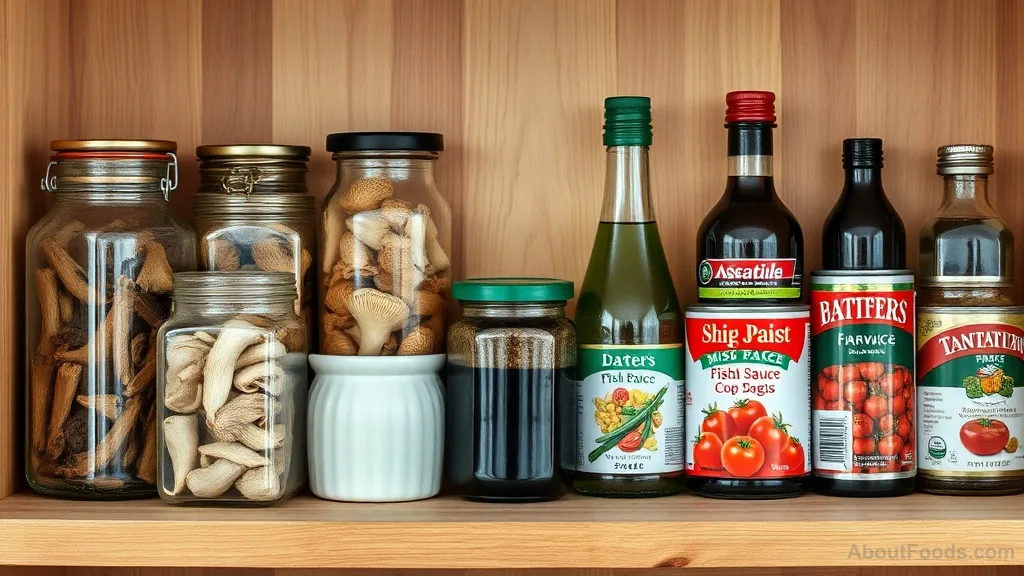
Let's start with what I geek out about most: umami. These ingredients deliver that savory depth that makes food taste 'more.' They're the foundation of countless cuisines and work behind the scenes to make everything taste better.
- Fish Sauce: Don't let the aroma scare you—this is liquid gold. A teaspoon in marinades
- dressings
- or even Bolognese adds complexity without tasting fishy. Look for brands with only fish and salt on the label.
- Miso Paste: White miso is milder and versatile
- red miso brings deeper funk. Whisk into soups
- salad dressings
- or use as a glaze. It keeps for months in the fridge.
- Anchovies (canned in oil): These melt into sauces and dressings
The Canned & Jarred Essentials
Quality canned goods are the workhorses of a practical pantry. They're preserved at peak freshness and ready when you are. Here's what deserves permanent shelf space.
| Item | Why It's Essential | Best Uses |
|---|---|---|
| Whole Peeled Tomatoes | Better flavor and texture than diced or crushed | Sauces, soups, braises, shakshuka |
| Canned Beans (chickpeas, black beans) | Protein-packed, ready in minutes | Salads, soups, quick stews, hummus |
| Coconut Milk (full-fat) | Creaminess without dairy, tropical flavor | Curries, soups, smoothies, rice |
| Tomato Paste (in tube) | Concentrated flavor without waste | Deepens sauces, stews, marinades |
Storage tip: Transfer leftover tomato paste from cans to a small jar, top with a thin layer of oil, and refrigerate for up to 2 weeks. Better yet, buy it in a tube if you use it occasionally.
The Flavor Foundation: Oils, Vinegars & Sauces
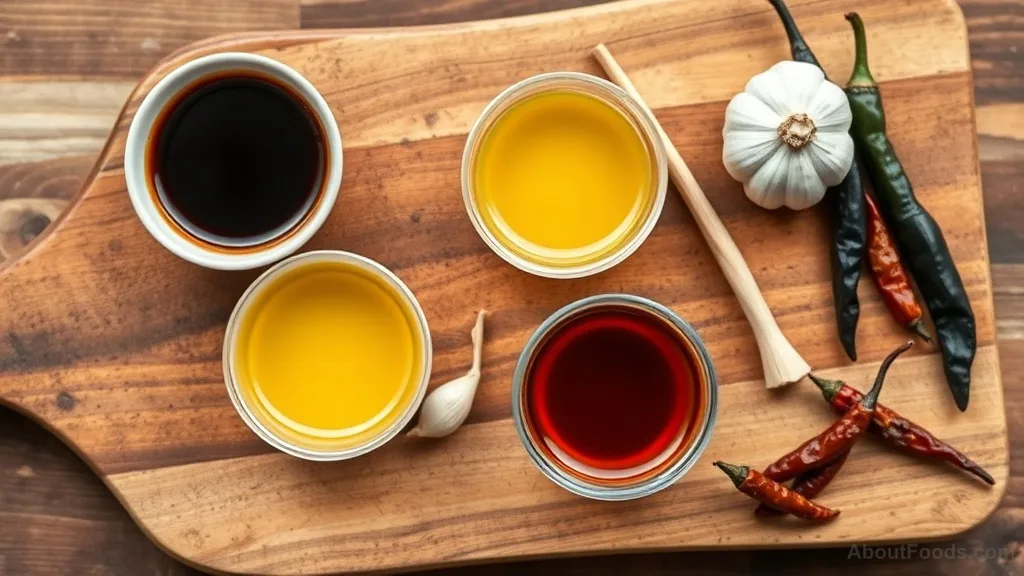
These are your quickest path to balanced, interesting flavors. With just a few bottles, you can dress salads, marinate proteins, and finish dishes like a pro.
Common mistake: Storing oils near the stove. Heat and light degrade them. Keep in a cool, dark place (not the fridge—that clouds olive oil).
The Aromatics & Dried Goods
These items keep well and form the base of countless dishes. They're inexpensive but deliver enormous flavor returns.
- Garlic & Onions: Store in a cool
- dry place (not the fridge). Mince and freeze garlic in ice cube trays if you use it frequently.
- Dried Pasta: Shapes matter. Keep spaghetti for simple sauces
- penne for chunkier ones
- and orzo for soups. Cook in well-salted water—it should taste like the sea.
- Rice: Jasmine for fragrance
- basmati for pilafs
- short-grain for stickiness. Rinse until water runs clear to remove excess starch.
How to Build Your Pantry Strategically
Don't try to buy everything at once. Start with what you actually cook. Here's a methodical approach I recommend to my friends.
- Week 1: Focus on oils and vinegars. Get olive oil
- a neutral oil (like grapeseed)
- rice vinegar
- and soy sauce.
- Week 2: Add canned goods. Pick tomatoes
- one type of beans
- and coconut milk.
- Week 3: Introduce umami players. Choose fish sauce or miso based on your cuisine preferences.
Track what you use. If a can of tomatoes sits for 6 months, maybe you don't need it. Your pantry should reflect your actual cooking habits, not some idealized version.
Pantry Staples FAQ
How long do pantry staples actually last?
Unopened canned goods: 1-2 years (check dates). Oils: 6-12 months once opened, stored properly. Dried pasta/rice: 1-2 years. Spices: 6 months to 1 year for peak flavor. Your nose is the best test—if it smells off, toss it.
What's the one item I shouldn't skip?
Fish sauce or soy sauce. They provide saltiness with complexity that plain salt can't. Even if you don't cook Asian food, a small amount in Western dishes adds depth without being identifiable.
How do I organize a small pantry?
Group by category: all oils together, all canned goods together. Use clear containers for dry goods. Keep frequently used items at eye level. Do a quarterly check to discard expired items.
Are more expensive brands worth it?
For some items, yes. Better olive oil, naturally brewed soy sauce, and whole canned tomatoes make a noticeable difference. For others like basic beans or rice, store brands are fine. Taste test when you can.
What's the biggest mistake people make?
Buying ingredients for recipes they'll make once. Focus on versatile staples you'll use repeatedly. A jar of tahini might sound exciting, but if it sits unused, it's wasted space and money.
Rate this article
No ratings yet. Be the first to rate it.

Written by
Pim Saelim
Specialises in Thai cuisineThis Pim is a food scientist who weighs her fish sauce.
Describe yourself in three words: Methodical, geeky, lives for umami metrics.