Vitamin C
The Best Everyday Foods High in Vitamin C: A Slow-Simmered Guide
Discover the most accessible and delicious foods packed with vitamin C, from citrus staples to surprising veggies. Learn how to incorporate these nutrient-rich ingredients into your daily meals with practical tips and serving ideas.
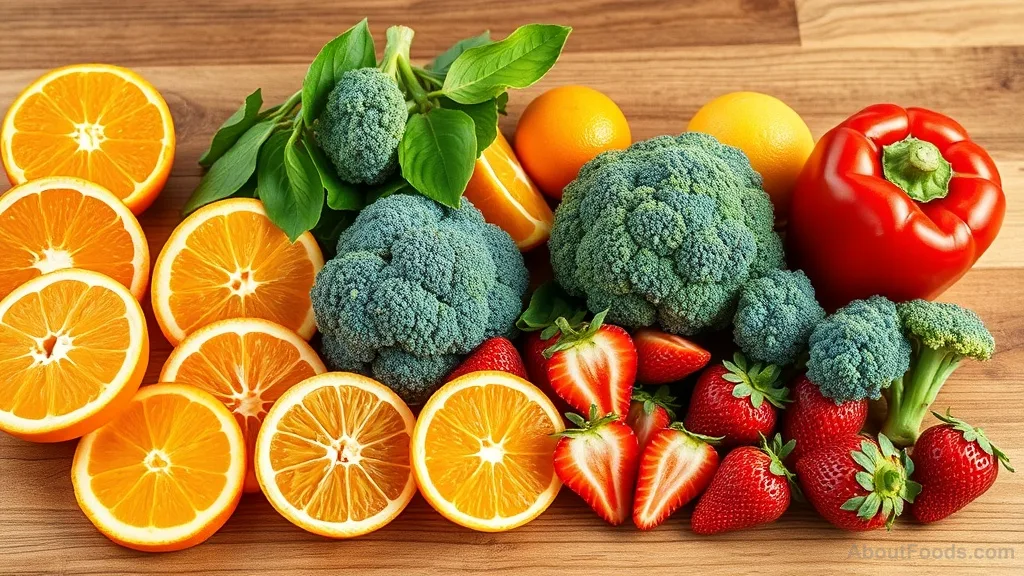
Why Vitamin C Matters in Your Daily Grind
Now, I'm a man who appreciates things that work slow and steady—like a good brisket smoking for hours until it's just right. Vitamin C works a bit like that too. It's not some flash-in-the-pan nutrient; it's foundational. This antioxidant helps protect your cells, supports your immune system, and helps your body absorb iron from plant foods. Unlike brisket, you can't store it up—your body uses what it needs and flushes the rest, which means you need consistent daily sources. The good news? Some of the best vitamin C foods are sitting right in your grocery store's produce section, waiting to become part of your everyday cooking.
Most folks think of orange juice when they hear 'vitamin C,' and while citrus is certainly a player, it's far from the only one. In fact, some vegetables pack even more punch per serving. The key is knowing which foods deliver reliably and how to work them into your routine without making a production out of it. Think of it like building flavor in a stew—you want layers that come together naturally, not a single overwhelming note.
The Everyday All-Stars: Top Vitamin C Foods
Notice something interesting here? That red bell pepper at the top delivers more than twice the vitamin C of an orange. Now, I'm not saying to abandon your morning OJ—consistency matters more than chasing the highest number—but it's worth knowing where the real heavy hitters are. These are all foods you can find year-round in most supermarkets, and none require special preparation. The beauty is in the variety: sweet fruits, crunchy vegetables, and even humble potatoes all contribute.
How to Keep the Goodness In: Cooking Tips
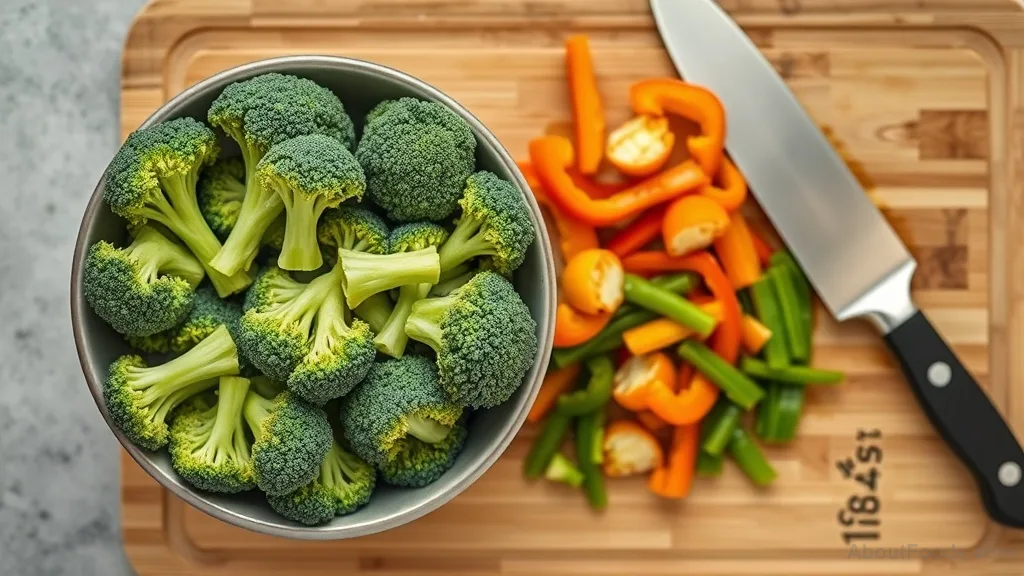
Here's where many well-intentioned cooks go wrong: they treat vitamin C-rich foods like they're cooking a tough cut of meat that needs hours to break down. Vitamin C is water-soluble and heat-sensitive, which means it can leach out into cooking water or break down with prolonged high heat. Think quick and gentle rather than low and slow.
Remember: some loss is inevitable with cooking, but that doesn't mean you should only eat raw foods. Cooked tomatoes, for instance, have less vitamin C than raw ones but offer more lycopene—another beneficial antioxidant. It's about balance, not perfection.
Building Vitamin C Into Your Day: Practical Serving Ideas
The trick is to think about vitamin C foods as ingredients rather than supplements. You're not 'taking your vitamin C'—you're enjoying a colorful salad, a refreshing snack, or a flavorful stir-fry. When you approach it this way, it becomes sustainable rather than another chore on your list. Start with one addition per day and build from there.
Common Mistakes and How to Avoid Them
One particular mistake I see often is the assumption that if a little is good, a lot must be better. Your body can only absorb so much vitamin C at once—excess gets excreted. It's better to spread your intake throughout the day rather than trying to get it all in one mega-dose. Another common error: discarding the most nutrient-dense parts. The white pith of citrus fruits contains bioflavonoids that help with vitamin C absorption, and potato skins hold nutrients too.
Beyond the Usual Suspects: Surprising Sources
While we've covered the everyday staples, there are some less common foods worth mentioning for variety. Brussels sprouts (especially roasted), papaya, pineapple, and even cauliflower contain decent amounts of vitamin C. Herbs like parsley and thyme, when used in quantity, can contribute too—think tabbouleh salad with plenty of fresh parsley. Even a baked sweet potato with its skin provides about 25% of your daily needs.
The takeaway here isn't that you need to hunt down exotic fruits—though if you enjoy them, great—but rather that vitamin C appears in more places than you might expect. This diversity means you can rotate through different sources based on season, preference, and what looks good at the market. Variety keeps your meals interesting and ensures you get a range of other nutrients too.
Quick Reference: Your Vitamin C Questions Answered
Rate this article
No ratings yet. Be the first to rate it.

Written by
Mason Walker
Specialises in American cuisineMason Walker makes barbecue brisket that takes 16 hours. He sleeps next to the smoker.
Describe yourself in three words: Smoky, slow, brisket loyalist.