Omega 3
Easy Ways to Eat More Foods High in Omega-3 (That Actually Taste Good)
Getting more omega-3s doesn't have to mean choking down fish oil capsules or bland meals. I'm sharing simple, delicious ways to weave these essential fats into your daily eating—Mediterranean fusion style. From pantry swaps to clever combos, these ideas are grounded, practical, and full of flavor.
Omega-3s: The Fats You Actually Want More Of
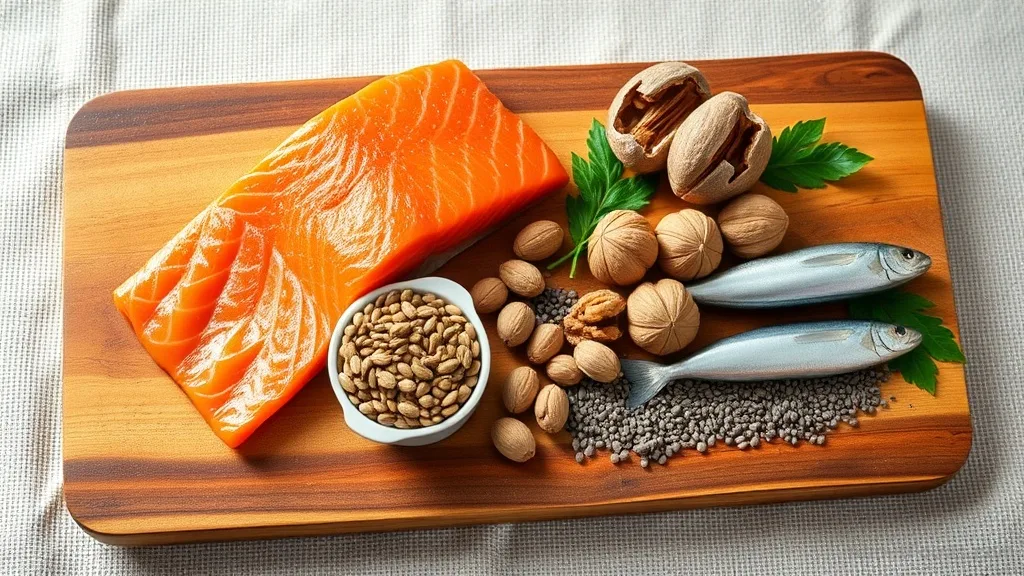
Let's cut through the noise: omega-3 fatty acids are essential fats your body can't make on its own. They're linked to supporting heart health, brain function, and overall inflammation balance—but honestly, I care more about how they make food taste incredible. Think rich, buttery salmon, crunchy walnuts, and seeds that add a nutty depth to everything. As someone who blends Mediterranean traditions with whatever catches my eye, I've learned that getting enough omega-3s isn't a chore; it's an opportunity to eat better, feel better, and maybe even impress your dinner guests. No regrets, just good fats.
In this guide, I'll walk you through the easiest, most delicious ways to up your omega-3 intake without overcomplicating things. We'll cover the top food sources, simple swaps, and my favorite fusion tricks to make these nutrients a seamless part of your day. Forget the supplements for a minute—let's talk real food.
Start Here: The Omega-3 All-Stars (and Where to Find Them)
Omega-3s come in a few forms, but for eating purposes, focus on these key players: EPA and DHA (mostly in seafood) and ALA (in plants). Your body uses them differently, so variety is your friend. Below is a quick cheat sheet of the richest sources—keep this handy when you're meal planning or staring blankly into the fridge.
Aim to include at least one of these daily. If you eat seafood, great—two servings of fatty fish per week is a solid target. If you're plant-based, pile on the seeds and walnuts, and consider seaweed for a briny twist. Mixing sources ensures you cover all bases without getting bored.
Pantry Upgrades: Simple Swaps for Big Impact
You don't need to overhaul your diet overnight. Start with your pantry—these easy swaps sneak omega-3s into meals you're already making. I call this 'fusion by stealth,' and it works every time.
- Swap regular oil for canola or flaxseed oil in dressings and light sautéing. They have a mild flavor and pack ALA.
- Use ground flaxseeds or chia seeds as an egg substitute in baking (1 tbsp ground flax + 3 tbsp water ≈ 1 egg). It adds a nutty richness.
- Choose walnuts over other nuts for snacking or tossing into salads. They're the omega-3 standout in the nut world.
- Keep tinned sardines or anchovies on hand. They're cheap
- shelf-stable
- and perfect for pasta
- toast
- or salads.
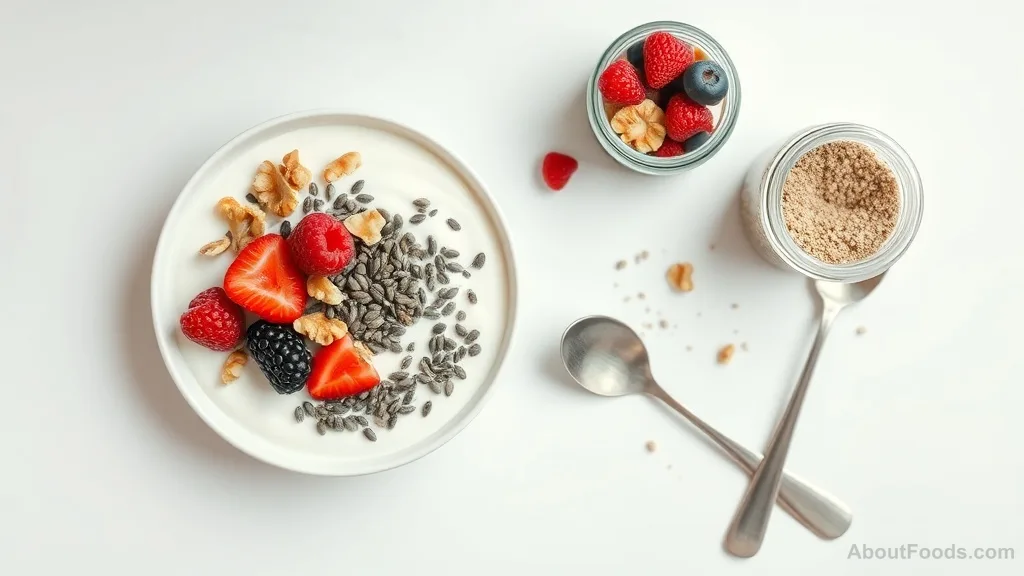
These tweaks are minimal effort for maximum gain. I keep a jar of ground flaxseed by my coffee maker—a spoonful in oatmeal or yogurt takes two seconds and adds a pleasant texture.
Omega-3 in Action: My Go-To Meal Ideas
Theory is fine, but let's get practical. Here are my favorite ways to turn those omega-3 sources into actual meals—no fancy skills required. I lean into Mediterranean roots but throw in global twists because, why not?
Notice a pattern? It's about layering. Combine a fatty fish with plant sources (like salmon + avocado) to diversify your intake. And don't fear canned fish—it's a weeknight hero.
Common Pitfalls (and How to Dodge Them)
Even with good intentions, it's easy to stumble. Here are the mistakes I see—and how to avoid them, based on my chaotic-but-informed kitchen experiments.
- Overcooking fatty fish: High heat can degrade omega-3s. Cook salmon or mackerel gently—pan-sear on medium or bake at 375°F until just opaque. It stays moist and retains nutrients.
- Skipping variety: Relying only on flaxseeds? Mix in chia
- walnuts
- and seafood to get both ALA and EPA/DHA. Your body thanks you.
- Using old oils: Flaxseed oil goes rancid quickly. Store it in the fridge
- buy small bottles
- and use within a few weeks. Sniff it—if it smells off
- toss it.
Keep it simple: fresh ingredients, moderate heat, and a rotate-your-sources mindset. No need for perfection—just progress.
Quick Reference: Omega-3 Cheat Sheet for Busy Days
When you're short on time or inspiration, this table sums up the essentials. Print it, screenshot it, or mentally bookmark it—whatever helps you eat more omega-3s without overthinking.
| Food | Omega-3 Type | Serving Idea | Pro Tip |
|---|---|---|---|
| Salmon | EPA/DHA | Grilled with herbs, in salads | Wild-caught has slightly higher levels, but farmed is still great |
| Flaxseeds | ALA | Ground into smoothies, baked goods | Grind them fresh; whole seeds pass through undigested |
| Walnuts | ALA | Snack, in pesto, on oatmeal | Toast lightly to enhance flavor without burning fats |
| Sardines | EPA/DHA | On crackers, in pasta sauces | Choose bones-in for extra calcium; they soften when cooked |
| Chia Seeds | ALA | In puddings, as egg substitute | They gel in liquid—great for thickening sauces or drinks |
| Mackerel | EPA/DHA | Pan-seared, in tacos | Rich flavor; pair with acidic sides like pickled onions |
Use this as a starting point. The goal isn't memorization—it's building habits that stick. Toss walnuts into your lunch salad, or add a tin of sardines to your grocery cart next time. Small steps add up.
Omega-3 FAQs: Your Questions, Answered Simply
Can I get enough omega-3s from plants alone?
Yes, but it takes more planning. Plant sources provide ALA, which your body converts to EPA and DHA at a low rate. Include a variety like flaxseeds, chia, walnuts, and hemp hearts daily, and consider seaweed or algae-based supplements if you want direct EPA/DHA without seafood.
How much omega-3 do I need per day?
General guidelines suggest about 250–500 mg of combined EPA and DHA for adults, but focus on food first. Eating fatty fish twice a week and daily plant sources typically covers it. Listen to your body—if you feel good, you're likely on track.
Are there any foods that reduce omega-3 absorption?
Not significantly, but balance matters. High intake of omega-6 fats (common in processed oils like soybean or corn oil) can compete with omega-3s. Opt for oils like olive or canola, and eat whole foods to keep ratios in check.
Can I cook with flaxseed oil?
No—it has a low smoke point and breaks down with heat. Use it raw in dressings, drizzles, or smoothies. For cooking, stick to canola oil or olive oil, which are more stable.
What's the easiest way to start eating more omega-3s?
Pick one swap from the pantry section and one meal idea to try this week. For example, add chia seeds to your breakfast and make salmon bowls for dinner. Keep it simple; consistency beats complexity every time.
Remember, this is about nourishment, not stress. Experiment, taste, and find what works for your palate and routine. In my kitchen, that means a little Mediterranean, a lot of fusion, and zero regrets. Now go eat some good fats—you've got this.
Rate this article
No ratings yet. Be the first to rate it.

Written by
Luca Costa
Specialises in Mediterranean Fusion cuisineLuca puts tahini on pizza and za’atar on eggs. He calls it 'Mediterranean chaos' and has a small but devoted following.
Describe yourself in three words: Chaotic neutral, fusion pioneer, no regrets.