Sports Nutrition
A Beginner's Guide to Sports Nutrition for Everyday Eating: Fuel Your Body Like a Pro
Sports nutrition isn't just for athletes—it's practical wisdom for anyone wanting more energy and better health. Learn how to apply simple sports nutrition principles to your daily meals without complicated diets or supplements. This guide breaks down the basics of macros, timing, and hydration in an easy, actionable way.
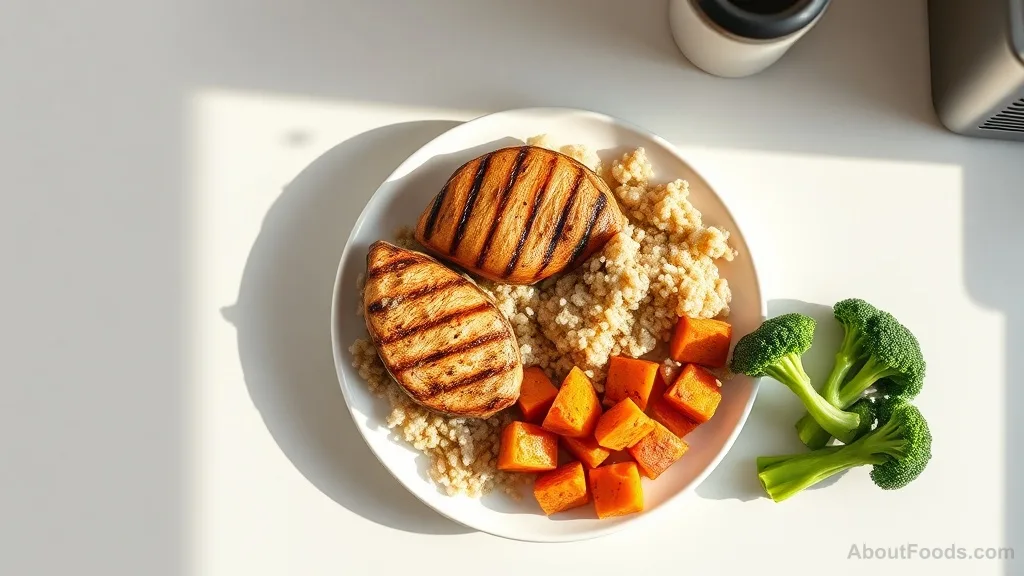
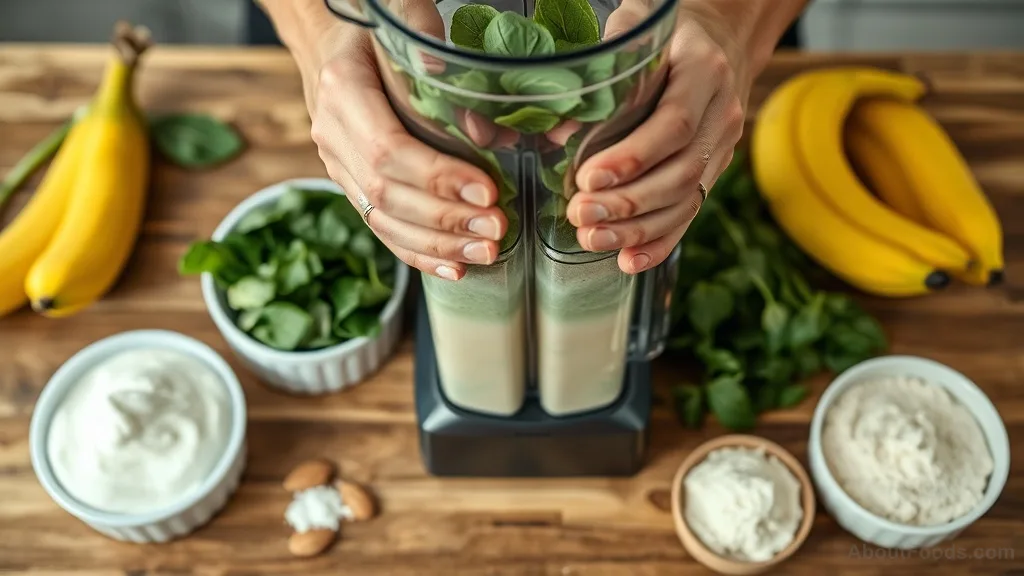
Welcome, My Friend! Let’s Talk Food That Fuels You
Ah, sports nutrition! When I first heard those words, I thought, 'Nino, you’re not running marathons or lifting heavy weights in the gym—what does this have to do with you?' But let me tell you, my dear reader, sports nutrition is not just for athletes. It’s for anyone who wants to feel energetic, strong, and vibrant in their everyday life. Think of it as giving your body the best fuel possible, so you can tackle your day with gusto—whether you’re chasing kids, working at a desk, or going for a brisk walk. In Georgia, we believe food is love, and I want to share that love with you by making sports nutrition simple, practical, and delicious. No complicated diets, no expensive supplements—just real food and smart habits. So, grab a cup of tea (or a big hug, if I were there!), and let’s dive in.
What Is Sports Nutrition, Really? (Spoiler: It’s Not Just for Athletes)
Sports nutrition is the science of eating to support physical activity, recovery, and overall health. But here’s the secret: your body is always active, even when you’re not sweating at the gym. From thinking hard at work to playing with your dog, you need good nutrition to keep going. The core idea is to provide your body with the right nutrients at the right times—like putting premium gasoline in a car instead of the cheap stuff. It’s about balance, timing, and quality, not deprivation or extreme rules. In this guide, I’ll show you how to apply these principles to your daily meals, so you can feel more energized and healthy without turning your life upside down.
The Big Three: Protein, Carbs, and Fats Explained Simply
Imagine your body as a busy kitchen—you need different ingredients to cook up energy and repair things. The main ingredients are macronutrients: protein, carbohydrates, and fats. Don’t let the fancy word scare you! Protein is like the builder—it helps repair muscles and keep you full. Think chicken, eggs, Greek yogurt, or lentils. Carbohydrates are the quick energy source—they fuel your brain and muscles. Go for whole grains like quinoa, oats, or sweet potatoes. Fats are the slow-burning fuel—they support hormones and keep you satisfied. Avocados, nuts, and olive oil are great choices. The key is to include all three in your meals, like a hearty Georgian feast with meat, bread, and walnut sauce! Balance is everything, my friend.
When to Eat: Timing Your Meals for Steady Energy
In Georgia, we love our meals—big, shared, and full of joy. But timing matters too! You don’t need to eat six times a day like a bodybuilder; instead, think about spacing your meals to avoid energy crashes. Aim for three balanced meals and a snack or two if you’re hungry. Before activity (like a workout or a busy afternoon), have a small snack with carbs and a bit of protein, like an apple with almonds. After activity, within an hour or two, eat a meal with protein and carbs to help recovery—maybe grilled salmon with rice and veggies. Listen to your body; if you’re hungry, eat! The goal is to keep your energy stable, not to follow a strict clock.
Hydration: The Unsung Hero of Everyday Nutrition
Oh, water! It’s so simple, yet so often forgotten. Hydration is crucial for sports nutrition because it helps your muscles work, your brain think, and your body cool down. But even if you’re not sweating buckets, staying hydrated keeps you feeling fresh and focused. Aim for about 8 glasses (2 liters) of water a day, more if you’re active or it’s hot. Add a slice of lemon or cucumber for flavor—Georgians love their infused waters! Don’t wait until you’re thirsty; sip throughout the day. Herbal teas and watery foods like soups and fruits count too. Trust me, your body will thank you with more energy and fewer headaches.
Common Mistakes Beginners Make (And How to Avoid Them)
We all make mistakes, my friend—it’s how we learn! In sports nutrition, beginners often fall into traps that can leave them tired or frustrated. First, skipping meals to 'save calories'—this backfires by causing energy slumps. Eat regularly! Second, overcomplicating things with too many supplements or strict rules. Start with whole foods; they’re your best friends. Third, ignoring hydration—water is your ally. Fourth, focusing only on protein and forgetting carbs and fats. Balance is key! Remember, this is a journey, not a race. Be kind to yourself, and adjust as you go.
Putting It All Together: A Sample Day of Everyday Sports Nutrition
Let’s paint a picture of how this looks in real life! Imagine a day where you apply these principles without stress. Breakfast: Oatmeal with Greek yogurt and berries—carbs, protein, and a bit of fat to start strong. Mid-morning snack: A handful of almonds and an apple for sustained energy. Lunch: A big salad with grilled chicken, quinoa, avocado, and veggies—balanced and satisfying. Afternoon snack (if needed): Carrot sticks with hummus. Dinner: Baked salmon with sweet potato and steamed broccoli—perfect for recovery if you were active. Dessert? Maybe a piece of dark chocolate! See? It’s not about perfection; it’s about making better choices most of the time. Adjust portions based on your hunger and activity.
FAQs: Your Questions Answered
Rate this article
No ratings yet. Be the first to rate it.

Written by
Nino Beridze
Specialises in Georgian cuisineNino makes khachapuri that oozes cheese like a volcano. She says the secret is loving the dough like a child.
Describe yourself in three words: Loving, loud, huggy.