Macros
A Beginner's Guide to Macros for Everyday Eating
Learn what macros are, why they matter for your daily nutrition, and how to balance them without complicated math. This guide breaks down proteins, carbs, and fats in simple, practical terms.
What Are Macros and Why Should You Care?
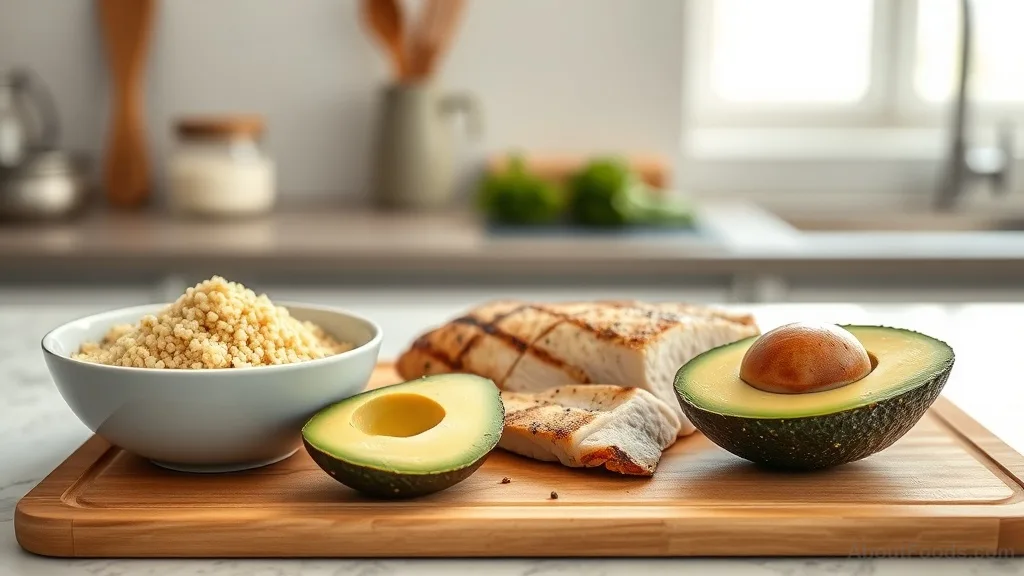
Hello there. It's late, the world is quiet, and I'm here with a cup of tea to talk about something that sounds complicated but really isn't: macros. Short for macronutrients, these are simply the big nutrients that give your body energy—protein, carbohydrates, and fats. Think of them as the main characters in the story of your food. In my kitchen back in Nepal, we never called them 'macros,' but we always understood balance: dal for protein, rice for carbs, ghee for fat. It was intuitive. Today, that word can feel intimidating, full of spreadsheets and scales. But it doesn't have to be. Understanding macros is just about knowing what's on your plate and how it fuels you, so you can eat well without overthinking.
The Three Main Characters: Protein, Carbs, and Fats
Let's meet them properly. Each macro has a role, and like a good team, they work best together.
How Much of Each Do You Actually Need?
This is where people get lost in numbers. You'll see recommendations like 30% protein, 40% carbs, 30% fats, but for everyday eating, precision isn't the goal. Instead, aim for balance. A good starting point: fill about a quarter of your plate with protein, a quarter with complex carbs, and half with vegetables (which often contain carbs and fiber), with a little healthy fat added. For someone eating around 2,000 calories a day, that might roughly mean 50-75 grams of protein, 200-300 grams of carbs, and 50-70 grams of fat. But please, don't stress over grams unless you have specific goals. Listen to your body—if you're always tired, maybe you need more carbs; if you're hungry soon after eating, try more protein or fat.
Common Macro Mistakes Beginners Make
In my sleepy observations, I've seen a few pitfalls. First, fearing carbs. Carbs are not the enemy—processed sugars and refined flours might be, but whole grains and veggies are friends. Second, overdoing protein. Your body can only use so much at once; excess just gets stored or excreted. Third, ignoring fats. Low-fat diets can leave you unsatisfied and nutrient-deficient. Lastly, getting obsessed with tracking. It's okay to estimate sometimes. Food is meant to be enjoyed, not just calculated.
- Cutting out entire macro groups (like going no-carb or no-fat)
- Assuming all fats or carbs are unhealthy
- Eating too much protein in one sitting
- Not including enough fiber from vegetables
- Relying only on supplements instead of whole foods
Simple Ways to Apply Macros in Your Kitchen
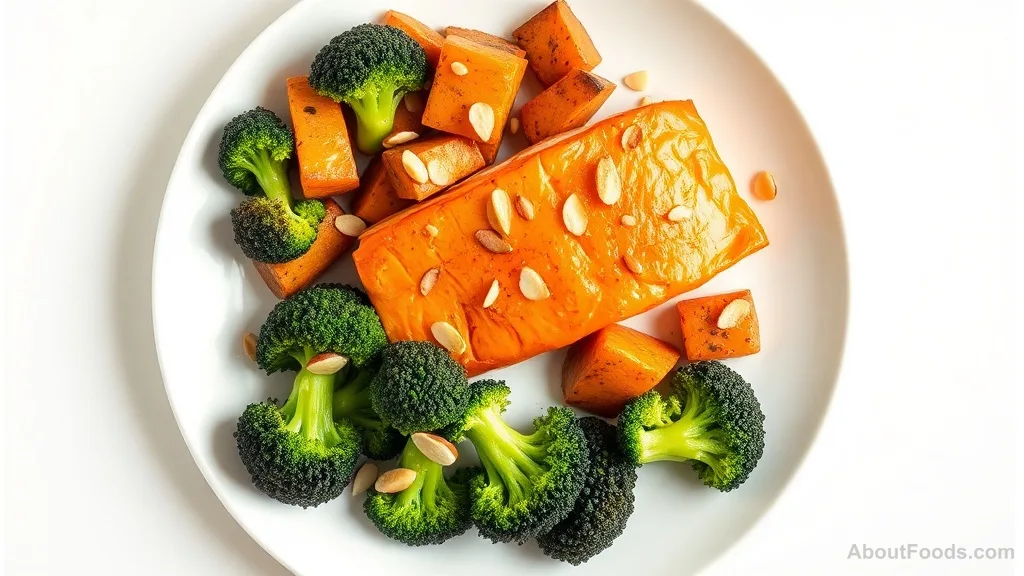
You don't need a nutrition degree to eat balanced meals. Start with whole foods. When cooking, think: 'Do I have a protein, a carb, and some veggies?' For example, breakfast could be oats (carbs) with Greek yogurt (protein) and berries (carbs/fiber). Lunch: a salad with chickpeas (protein/carbs), quinoa (carbs), and olive oil dressing (fat). Dinner: baked salmon (protein/fat), roasted broccoli (carbs/fiber), and a small sweet potato (carbs). Season generously—herbs and spices don't add macros but make everything taste better. Prep ingredients like chopped vegetables or cooked grains to make assembly easy, especially if you're a night owl like me.
A Week of Macro-Friendly Meal Ideas
| Meal | Protein | Carbs | Fats |
|---|---|---|---|
| Breakfast | Scrambled eggs | Whole-grain toast | Avocado slices |
| Lunch | Grilled chicken | Brown rice | Olive oil dressing |
| Dinner | Lentil curry | Quinoa | Coconut milk |
| Snack | Greek yogurt | Apple slices | Almond butter |
FAQ: Your Macro Questions Answered
Do I need to track macros every day?
Not unless you have specific fitness or health goals. For most people, focusing on balanced meals is enough. Tracking can be helpful initially to learn portions, but don't let it consume you.
Can I get enough protein on a plant-based diet?
Absolutely. Foods like lentils, beans, tofu, tempeh, and quinoa are excellent sources. Combine different plant proteins throughout the day for completeness.
What about alcohol and macros?
Alcohol provides calories (mainly from carbs) but little nutritional value. It's fine in moderation, but it doesn't contribute meaningfully to your macro balance, so account for it as an occasional extra.
How do macros affect weight management?
Balancing macros can help control hunger and energy levels, which supports healthy weight. Protein and fiber keep you full, while carbs and fats provide energy. It's about overall calorie intake and quality of food.
Is it okay to eat more carbs at certain times?
Yes, many people feel better with more carbs around workouts or in the morning for energy. Listen to your body—if you're active, carbs are your friend.
Wrapping It Up: Keep It Simple and Sustainable
As I finish this, the sky is starting to lighten, and I'm reminded that good eating, like a good night, doesn't need to be forced. Macros are just a framework, not a strict rulebook. Start by adding more vegetables to your plate, choosing whole foods over processed ones, and paying attention to how different meals make you feel. In Nepal, we say, 'Bhok lagyo bhane khanus'—when you're hungry, eat. Let macros guide you toward nourishing choices, but don't lose the joy of food. Balance, not perfection, is the key to everyday eating. Now, I'm off to bed—dream of delicious, balanced meals.
Rate this article
No ratings yet. Be the first to rate it.

Written by
Nabin Gurung
Specialises in Nepalese cuisineNabin makes momos at 3am when he can't sleep. His chili oil is classified as a controlled substance by his roommates.
Describe yourself in three words: Sleepy but brilliant, lives nocturnally.