Hydration
A Beginner's Guide to Hydration for Everyday Eating
Learn how to stay properly hydrated through simple food choices and daily habits. This guide offers practical tips for incorporating hydration into your routine without overcomplicating things.
Why Hydration Isn't Just About Water
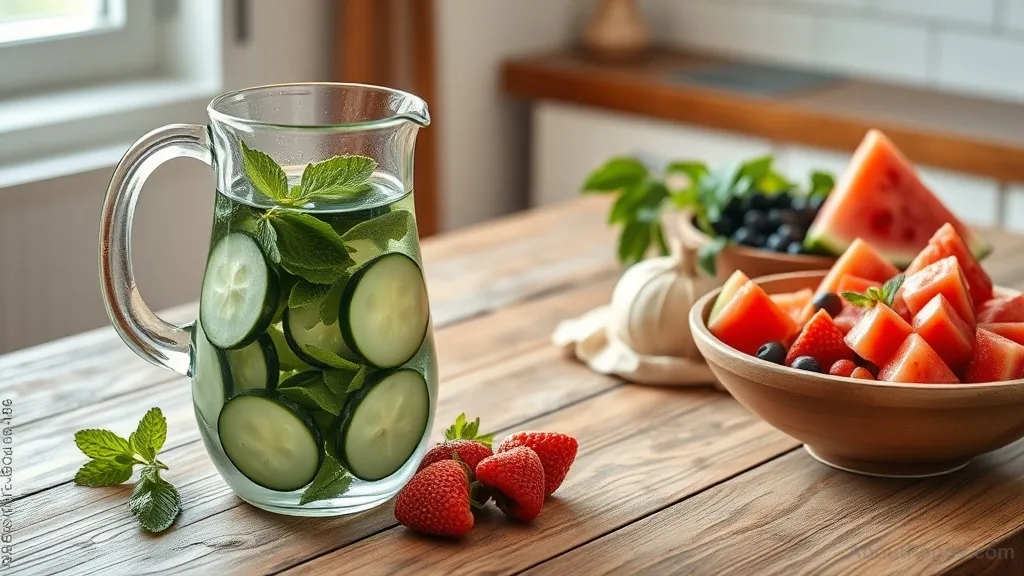
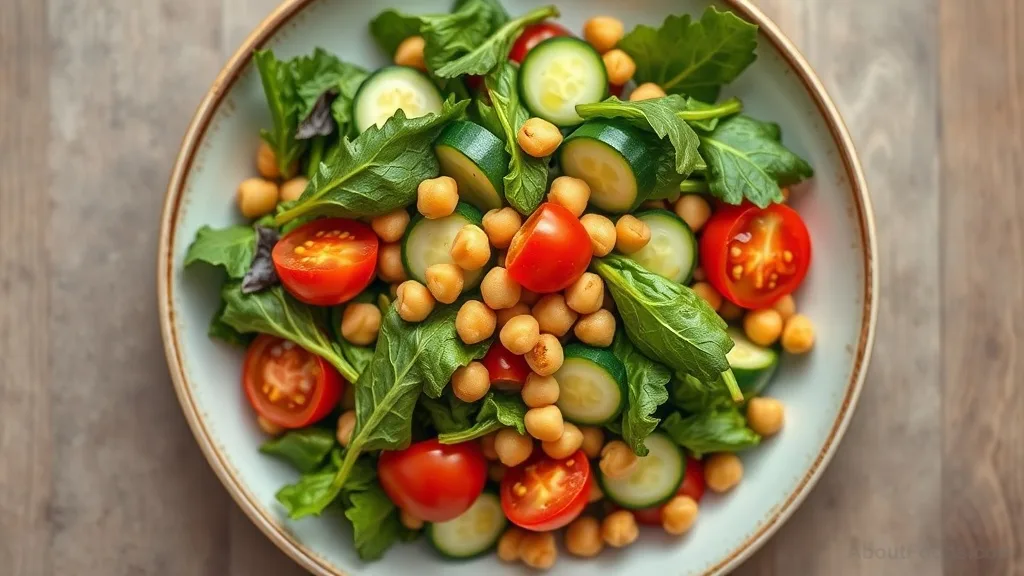
Ah, hydration. My dear avó would say it's like tending a garden—you don't just pour water on the plants once and forget them. No, you must nurture them daily, with care and a little wisdom. In our bodies, hydration isn't only about drinking eight glasses of water, though that helps. It's about how we eat, move, and live. When we think of hydration, we often picture a tall glass of water, but about 20-30% of our fluid intake comes from food. Yes, food! Those juicy tomatoes, crisp cucumbers, and even that bowl of soup are quietly working to keep you hydrated. It's a gentle balance, like the tides of the Atlantic near my hometown—constant, rhythmic, and essential for life.
Let me tell you a secret: many people walk around slightly dehydrated without even knowing it. They feel tired, get headaches, or struggle with focus, and blame it on stress or lack of sleep. But sometimes, it's just the body whispering for more fluid. Hydration affects everything from your energy levels to your skin's glow, and even how well you digest that lovely feijoada. So, let's dive in, with the dry humor of someone who's seen too many fads come and go, and the grandmotherly patience to keep it simple.
How Much Fluid Do You Really Need?
Now, don't get tangled in numbers like a fishing net. The old 'eight glasses a day' rule is a good starting point, but it's not one-size-fits-all. Your needs depend on your size, activity, and even the weather—much like how you'd wear a sweater in Lisbon's winter but not in the Algarve sun. A general guideline is about 2-3 liters of total fluid per day for most adults, including what you get from food. But listen to your body; it's wiser than any chart.
Remember, fluid isn't just water. It includes herbal teas, broths, and the moisture in foods like fruits and vegetables. If you're eating a diet rich in these, you might need less plain water. It's all about balance, like a well-seasoned bacalhau—not too salty, not too bland.
Top Hydrating Foods to Add to Your Diet
In the Portuguese kitchen, we've always known that food can quench thirst as much as it fills the belly. Here are some everyday heroes that pack a hydrating punch, without any mystical fuss—just good, honest nourishment.
Incorporate these into your meals naturally. Add cucumber slices to your water, have a fruit salad for breakfast, or enjoy a bowl of soup for lunch. It's not about drastic changes, but small, sustainable shifts—like planting a herb garden instead of buying pots every week.
Common Hydration Mistakes to Avoid
Ah, the pitfalls of modern life! We rush, we forget, and we make simple errors that leave us parched. Let me share a few common mistakes, with a dash of dry humor to keep it light.
Instead, sip water throughout the day, eat water-rich foods, and listen to your body's cues. If your urine is pale yellow, you're likely on track. Dark yellow? Time for a top-up. It's as simple as checking the sky before a picnic.
Practical Tips for Everyday Hydration
Now, let's get practical. Hydration shouldn't feel like a chore, but a gentle rhythm in your day. Here are some easy-to-follow tips that even my busy grandchildren can manage.
Set gentle reminders if needed, but don't stress. Consistency is key, like the daily bread in a Portuguese padaria. Over time, these habits become second nature, and you'll feel the difference—more energy, clearer skin, and better digestion.
Hydration and Your Overall Health
Hydration weaves through your health like threads in a tapestry. It supports digestion, helps regulate body temperature, and keeps your joints lubricated. Think of it as the oil in a well-tuned engine—without it, things start to creak and stall.
For example, proper hydration can aid in nutrient absorption from the foods you eat, making that wholesome meal even more beneficial. It also plays a role in cognitive function, so staying hydrated might help you think more clearly, whether you're planning a meal or solving a puzzle. But remember, this is about everyday wellness, not medical claims. If you have specific health concerns, consult a professional—my wisdom is for the kitchen, not the clinic.
In short, treat hydration as a foundational part of your nutrition, not an afterthought. It's the quiet background music to a healthy life, setting the tone for everything else.
FAQs About Hydration
Rate this article
No ratings yet. Be the first to rate it.

Written by
Ines Silva
Specialises in Portuguese cuisineInes learned to cook bacalhau from her avó, who spoke only in proverbs. Ines now speaks only in proverbs too.
Describe yourself in three words: Mystical, grandmotherly wisdom with dry humor.