Minerals
The Slow-Simmered Guide to Getting Your Minerals Right
Minerals are the unsung heroes of nutrition—quiet, essential, and often overlooked. We'll walk through the best foods and daily habits to keep your mineral levels balanced, with practical tips you can start using today. Think of it like tending a good brisket: low, slow, and worth every bit of attention.
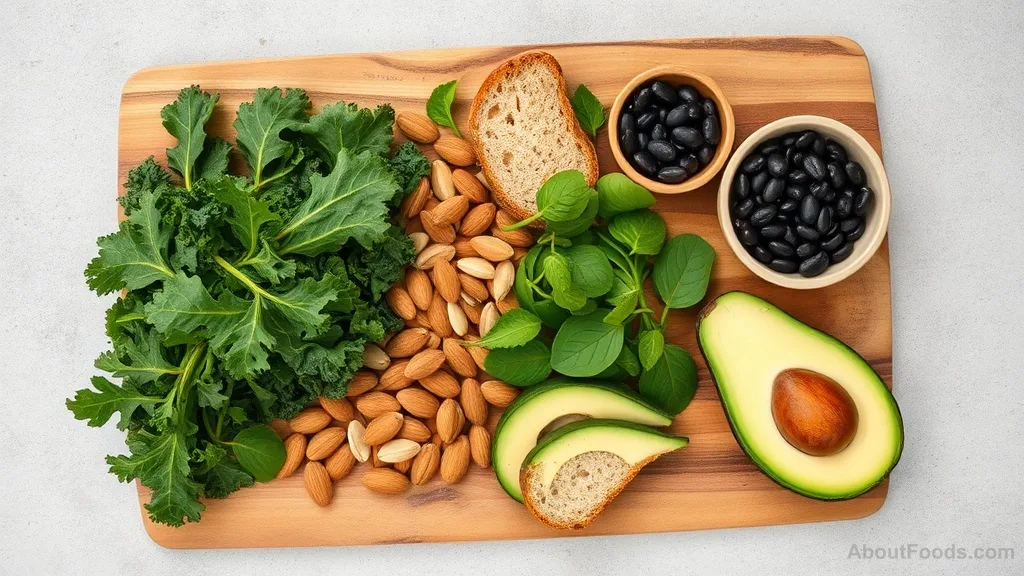
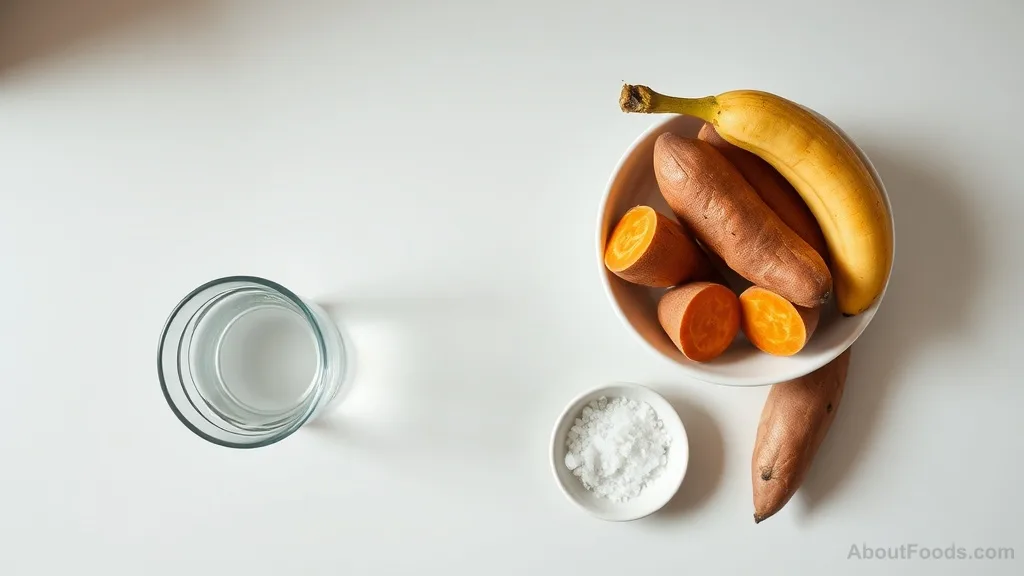
Why Minerals Deserve a Seat at Your Table
Let me tell you something about minerals. They're like the salt in your rub or the smoke in your pit—easy to forget, but without them, everything falls flat. While everyone's chatting about protein and carbs, minerals are working quietly in the background, keeping your bones sturdy, your nerves firing, and your muscles moving. They don't shout for attention, but your body notices when they're missing. Think of this guide as a slow, steady nudge to give these essentials the respect they've earned.
Minerals split into two camps: macrominerals, like calcium and magnesium, which you need in larger amounts, and trace minerals, like iron and zinc, which are just as crucial but in smaller doses. They're not something your body can whip up on its own; you've got to bring them in through what you eat and drink. And just like a good brisket, getting it right isn't about rushing—it's about consistency, smart choices, and a little know-how.
The Heavy Hitters: Top Mineral-Rich Foods to Lean On
You don't need a fancy degree or a pantry full of superfoods to up your mineral game. Some of the best sources are sitting right there in your local market, waiting to be tossed into a pan or sprinkled over a salad. Here's a breakdown of where to find key minerals, without overcomplicating things.
Notice a pattern? A lot of these foods overlap—leafy greens, nuts, beans—which means you can cover multiple bases with a few solid choices. Keep it simple: toss some spinach into your eggs, snack on a handful of almonds, or add beans to your soup. No need to turn your kitchen upside down.
Habits That Make Minerals Stick
Eating mineral-rich foods is one thing; making sure your body actually uses them is another. It's like having a great cut of meat but forgetting to season it—you're missing the full potential. Here are a few slow-and-steady habits to help your minerals do their job.
These aren't rules to stress over—just gentle tweaks. Start with one or two, like adding a vitamin C boost to your meals, and let the rest follow naturally.
Common Pitfalls and How to Sidestep Them
Even with the best intentions, it's easy to trip up on mineral intake. I've seen folks overcomplicate things or focus on the wrong details. Here's what to watch out for, so you can keep your approach grounded and effective.
Remember, perfection isn't the goal—consistency is. A few missteps won't ruin your progress, just like a slightly uneven smoke won't ruin a brisket. Keep it simple and steady.
Putting It All Together: A Week of Mineral-Friendly Meals
Theory's fine, but let's talk practice. Here's a loose blueprint for a week of eating that naturally boosts your mineral intake, without requiring a recipe book or hours in the kitchen. Adjust based on what you've got—flexibility is key.
Notice how each day mixes different mineral sources? You're not eating the same thing on repeat—you're rotating through options that keep things interesting and nutritionally balanced. Feel free to swap in similar foods based on what's in season or what you enjoy.
FAQs: Your Mineral Questions, Answered Simply
Minerals might not be the flashiest topic, but they're the quiet backbone of how you feel every day. Treat them with a little care, and they'll return the favor—no drama, just steady support. Now, go enjoy that meal, and remember: low and slow wins the race.
Rate this article
No ratings yet. Be the first to rate it.

Written by
Mason Walker
Specialises in American cuisineMason Walker makes barbecue brisket that takes 16 hours. He sleeps next to the smoker.
Describe yourself in three words: Smoky, slow, brisket loyalist.