Fiber And Gut Health
Building a Better Gut: The Best Foods and Habits for Fiber and Digestive Wellness
Learn how to support your gut health with practical, everyday foods and habits. This guide covers the best fiber-rich foods, simple routines, and common mistakes to avoid for a happier digestive system.

Why Your Gut Deserves Some TLC
Now, I've spent more hours than I care to admit tending to a brisket—low and slow, letting time work its magic. And you know what? Your gut's not so different. It needs that same patient, consistent care. We're talking about a whole ecosystem in there, full of bacteria that help break down food, absorb nutrients, and even influence your mood. When you feed it right, everything just runs smoother. Think of fiber as the foundation—the steady heat that keeps everything cooking properly. Without it, well, things can get backed up or out of balance real quick.
Most folks aren't getting nearly enough fiber. The recommendation hovers around 25 to 38 grams per day, depending on who you ask, but the average intake? Barely half that. It's like trying to smoke a brisket without enough wood chips—you're just not going to get the results you want. The good news is, fixing this doesn't require a complete lifestyle overhaul. Just a few thoughtful additions to your daily routine can make a world of difference.
The Fiber All-Stars: Foods That Do the Heavy Lifting
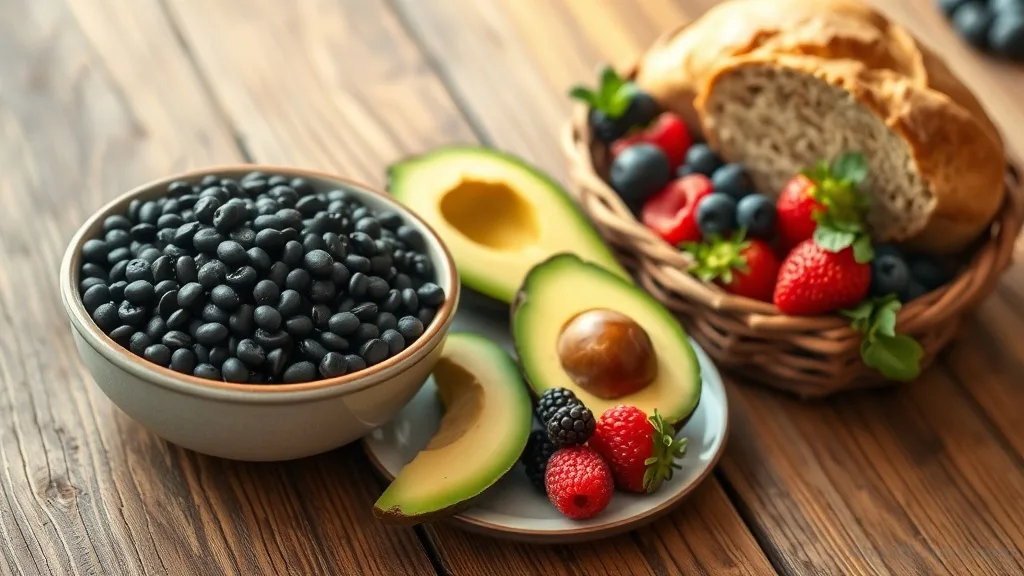
Let's get down to the meat of it—or rather, the plants of it. Not all fiber is created equal, and your gut appreciates variety. There are two main types: soluble fiber, which dissolves in water and forms a gel-like substance (great for slowing digestion), and insoluble fiber, which adds bulk and keeps things moving. The best approach? Eat foods that naturally contain both.
- **Beans and Lentils**: These are the workhorses. A cup of cooked black beans packs about 15 grams of fiber. They're versatile too—toss them in soups
- salads
- or make a simple bean dip.
- **Whole Grains**: Think oats
- barley
- quinoa
- and brown rice. Old-fashioned oats are my morning go-to
- they've got about 4 grams per cooked cup and make a perfect canvas for other gut-friendly additions.
The key here is consistency. You don't need to eat all of these every day, but having a few regularly will build up your fiber intake without much fuss.
Beyond Fiber: The Gut-Supporting Cast
Fiber's the main event, but it's got some backup singers that really make the harmony. Prebiotics and probiotics work with fiber to keep your gut in fine tune. Prebiotics are essentially food for the good bacteria already living in your gut. You'll find them in foods like garlic, onions, leeks, asparagus, and bananas. Probiotics are the live bacteria themselves, found in fermented foods.
You don't need to turn your kitchen into a fermentation lab overnight. Start simple—maybe add some sauerkraut to your sandwich or swap your afternoon snack for a banana with a dollop of yogurt. Small, consistent additions work better than occasional grand gestures.
Daily Habits That Make a Difference
Good gut health isn't just about what you eat—it's about how you eat and live. Here are some habits that complement those fiber-rich foods:.
Remember, like tending a good fire, consistency matters more than intensity. Pick one or two habits to focus on, get comfortable with them, then add another. Before you know it, you'll have a routine that supports your gut without feeling like a chore.
Common Pitfalls and How to Avoid Them
I've seen plenty of well-intentioned folks make these mistakes. Learn from them so you don't have to:.
| Mistake | Why It Happens | Better Approach |
|---|---|---|
| Adding too much fiber too fast | Excitement to make changes leads to rapid increases | Increase fiber gradually by 5 grams per week to allow your gut to adjust |
| Not drinking enough water | Forgetting that fiber needs fluid to work effectively | Have a glass of water with every meal and keep a water bottle handy |
| Relying only on supplements | Thinking pills are easier than whole foods | Get most of your fiber from food first; supplements can fill gaps if needed |
| Skipping variety | Finding a few high-fiber foods and sticking only to those | Rotate through different fiber sources to feed diverse gut bacteria |
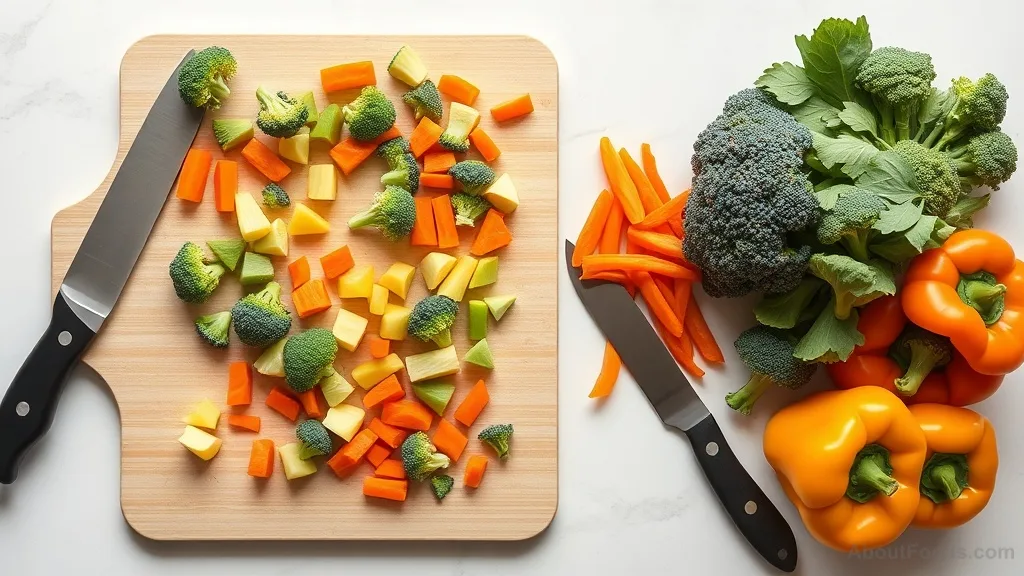
| Ignoring food prep | Lack of planning leads to less healthy choices | Wash and chop vegetables when you get home from the store for easy access |
The biggest mistake I see? People treating this like a sprint instead of the marathon it is. Your gut didn't get where it is overnight, and it won't transform overnight either. Patience, consistency—that's where the magic happens.
Putting It All Together: A Sample Day
Let's walk through what a gut-friendly day might look like. This isn't a rigid prescription—just an example of how these principles come together:.
- **Breakfast**: Overnight oats made with rolled oats
- chia seeds
- almond milk
- and topped with raspberries and a spoonful of plain yogurt. (Fiber: ~10g)
- **Lunch**: Large salad with mixed greens
- chickpeas
- avocado
- broccoli florets
That's about 34 grams of fiber—right in the sweet spot—plus probiotics from the yogurt and prebiotics from the garlic and oats. Notice there's no exotic ingredients or complicated recipes. Just real food, prepared simply.
Your Gut Health Questions, Answered
How quickly will I notice changes after increasing my fiber intake?
Most people notice improved regularity within a few days to a week, but other benefits like reduced bloating or more energy might take a few weeks as your gut bacteria adjust. Go slow—adding too much too fast can cause discomfort.
Can I get enough fiber on a low-carb diet?
Absolutely. Focus on non-starchy vegetables like leafy greens, broccoli, cauliflower, and Brussels sprouts, plus avocados, nuts, and seeds. You might need to be more intentional about variety, but it's definitely possible.
Are fiber supplements as good as getting fiber from food?
Food first, always. Whole foods come with vitamins, minerals, and other beneficial compounds that supplements don't have. Think of supplements as a backup plan for days when you're falling short, not as a replacement.
What if I experience gas or bloating when I eat more fiber?
This is common when starting out. Your gut bacteria are adjusting to the new fuel. Start with smaller portions of high-fiber foods, cook vegetables thoroughly (which can make them easier to digest), and be sure to drink plenty of water. Usually, these symptoms subside within a couple of weeks.
How do I know if I'm getting enough fiber?
Track it casually for a few days using a food app or even just pen and paper. Most people are surprised at how little they're actually getting. Aim for that 25-38 gram range, and pay attention to how you feel—regular digestion, sustained energy, and minimal bloating are good signs.
Rate this article
4.9 out of 5 from 17 ratings

Written by
Mason Walker
Specialises in American cuisineMason Walker makes barbecue brisket that takes 16 hours. He sleeps next to the smoker.
Describe yourself in three words: Smoky, slow, brisket loyalist.