Macros
The 5 Most Common Macros Mistakes That Are Sabotaging Your Progress
Tracking macros can transform your nutrition, but small errors add up fast. Learn the most common pitfalls—from eyeballing portions to ignoring fiber—and get practical fixes you can apply today. This guide will help you track smarter, not harder.
Why Getting Your Macros Right Matters More Than You Think
Listen up, folks. If you're tracking macros—protein, carbs, and fats—you're already ahead of the game. That's the American way: measure twice, cut once. But here's the rub: small mistakes in your tracking can derail your progress faster than a flat tire on the interstate. You might be hitting your protein target but missing the mark on fats, or eyeballing portions like you're guessing the weight of a prize-winning pumpkin. This isn't about perfection; it's about precision. When you dial in your macros, you fuel your body right, support your goals, and avoid the frustration of spinning your wheels. Let's roll up our sleeves and fix what's holding you back.
Mistake #1: Eyeballing Portions Like a Backyard BBQ Pro
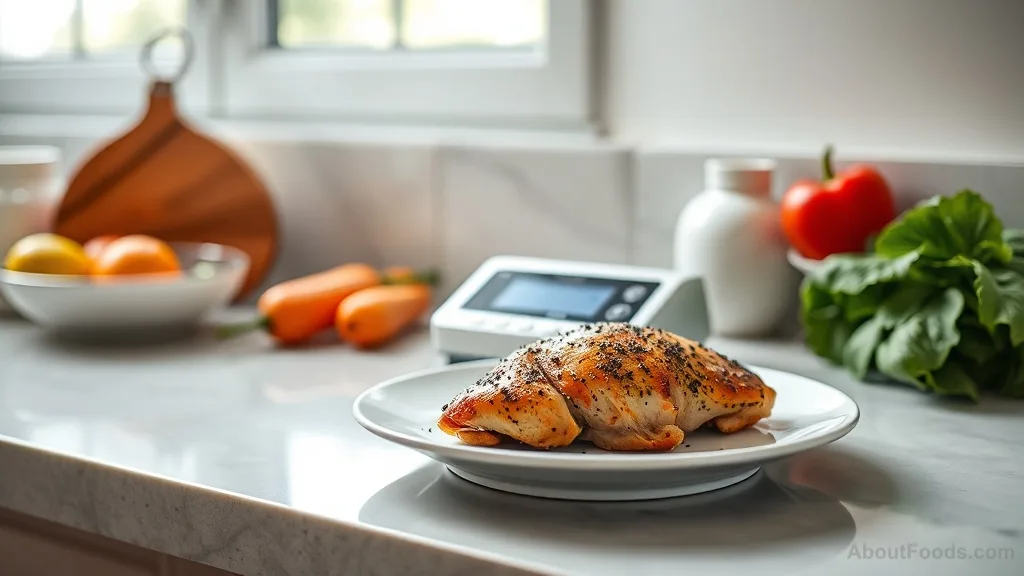
We've all been there—throwing a chicken breast on the grill and calling it 'about 6 ounces.' Problem is, our eyes are terrible judges. That '6-ounce' piece might be 8 or 9 ounces, throwing your protein and calorie counts out of whack. This mistake is as common as onion rings at a diner, and it adds up fast. A little extra oil here, a heaping scoop of rice there, and suddenly you're over or under your targets without knowing why.
- Invest in a digital kitchen scale—they're cheap and more reliable than your guesswork.
- Weigh foods raw when possible (like meats and grains) for the most accurate counts.
- Use measuring cups for liquids and loose items like rice or oats
- but don't pack them down.
- Check serving sizes on labels
- 'one serving' might be smaller than you think.
Take it from me: a week of precise weighing will teach you more about real portions than a year of guessing. It's like learning to parallel park—awkward at first, but soon it's second nature.
Mistake #2: Ignoring the Little Things That Add Up
That splash of cream in your coffee, the dressing on your salad, the cooking oil that stays in the pan—these 'forgotten' items are macro stealth bombers. They sneak in calories and fats without making a peep. I've seen folks track their steak and potatoes down to the gram, then forget the butter melting on top. It's enough to make a patriot weep into his mashed potatoes.
The fix? Track everything that goes in your mouth, even the small stuff. Use measuring spoons for oils and dressings, and when eating out, estimate conservatively or ask for sauces on the side. Remember: in the world of macros, there are no free passes.
Mistake #3: Obsessing Over Protein While Neglecting Carbs and Fats
Protein gets all the glory—it builds muscle, keeps you full, and tastes great on a grill. But focusing solely on protein while treating carbs and fats as afterthoughts is like building a house with only nails and no lumber. Carbs fuel your workouts and brain, while fats support hormone health and nutrient absorption. Skimp on these, and you'll feel it in your energy levels and recovery.
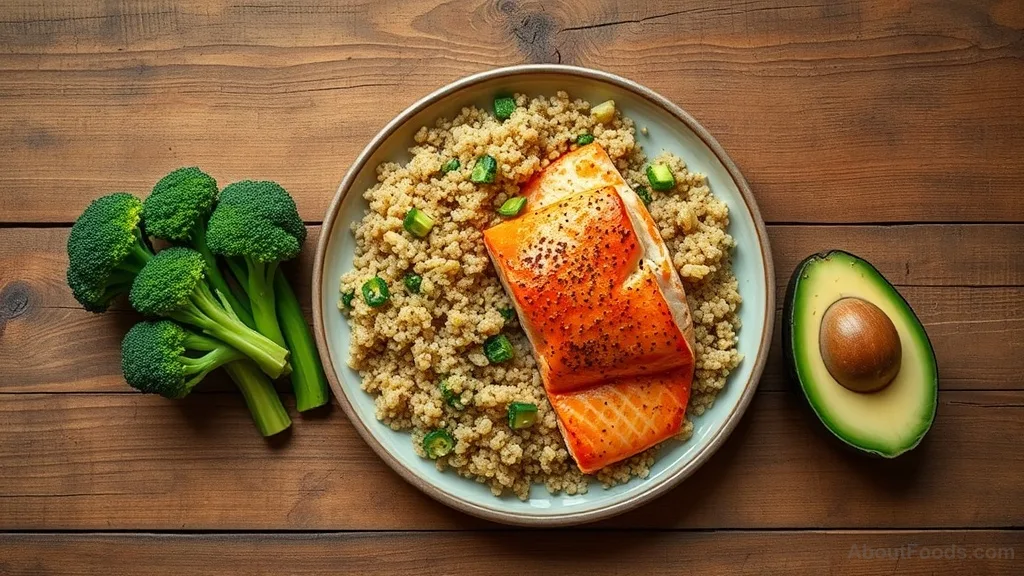
Balance is key. A plate with grilled chicken (protein), quinoa (carbs), and avocado (fats) covers all bases. Think of your macros as a three-legged stool—weakness in one leg makes the whole thing wobbly.
Mistake #4: Not Adjusting Your Macros as Your Life Changes
Life isn't static, and neither are your macro needs. Using the same numbers you calculated six months ago—when you were training for a 5K or eating differently—is like wearing last year's boots in fresh mud. Your activity level, stress, sleep, and goals shift over time, and your macros should too. Sticking to outdated targets can stall progress or leave you feeling run-down.
- Reassess your macros every 4-6 weeks
- or when your routine changes significantly.
- If you're more active
- you might need more carbs
- if you're less active
- adjust accordingly.
- Listen to your body—constant hunger or fatigue might signal needed adjustments.
- Use a reputable macro calculator as a starting point
Flexibility is strength. Treat your macro plan as a living document, not a stone tablet. A little tweak here and there keeps things moving forward.
Mistake #5: Forgetting That Food Quality Matters Too
You can hit your macro targets with processed bars and shakes, but that's like painting a barn with a toothbrush—it might work, but it ain't pretty or efficient. Whole foods bring vitamins, minerals, and fiber to the party, supporting overall health beyond just macros. A diet of 40% protein from chicken breast and eggs feels different than 40% from protein powder, even if the numbers match.
| Macro | Whole Food Source | Processed Alternative | Why Whole Wins |
|---|---|---|---|
| Protein | Grilled chicken breast | Protein bar | More nutrients, less additives |
| Carbs | Sweet potato | White bread | Higher fiber, slower digestion |
| Fats | Avocado | Processed oil spray | Additional vitamins and antioxidants |
Aim for at least 80% of your macros from whole, minimally processed foods. Your gut, energy, and taste buds will thank you. It's the difference between a home-cooked meal and a drive-thru—both fill you up, but one nourishes you down to your boots.
Putting It All Together: Your Action Plan
Alright, let's wrap this up with a game plan. Fixing these mistakes doesn't require a nutrition degree—just a bit of attention and consistency. Start by weighing your food for a week to learn real portions. Track every bite, balance all three macros, adjust as needed, and prioritize whole foods. Keep it simple: focus on one mistake at a time until it becomes habit. Before long, you'll be tracking like a pro, fueling your body right, and seeing the progress you've been working for. Now get out there and eat like you mean it.
Macros Mistakes FAQ: Quick Answers to Common Questions
How accurate do I really need to be with macro tracking?
Aim for 90-95% accuracy. Perfection isn't necessary, but consistency is. Small errors over time can add up, so use a scale for solids and measure liquids.
What's the biggest macro mistake beginners make?
Eyeballing portions is the most common error. Our estimates are often off by 20-30%, which significantly impacts your totals. A $20 kitchen scale solves this.
Should I track macros every day?
When starting out, yes—track daily for at least 2-3 weeks to build awareness. Once you have a feel for portions and balance, you can be more flexible.
Can I still eat out while tracking macros?
Absolutely. Choose simpler dishes (grilled proteins, steamed veggies), ask for sauces on the side, and estimate portions using your hand (palm for protein, fist for carbs).
What if I go over my macros one day?
Don't sweat it. One day won't ruin your progress. Just get back on track the next meal. Consistency over time matters more than perfection.
Rate this article
No ratings yet. Be the first to rate it.

Written by
Mason West
Specialises in American cuisineMason makes smash burgers on a flat top with grilled onions and American cheese. He is a patriot of the griddle.
Describe yourself in three words: Patriotic, greasy, onion-y.