Sports Nutrition
The Nutrition Guide to Better Sports Nutrition: Fueling Your Body with Traditional Wisdom
Learn how to optimize your sports nutrition with practical, traditional approaches that honor your body's needs. This guide covers essential nutrients, timing strategies, and common mistakes to help you perform better and recover faster. Grounded in time-tested principles, these tips are easy to apply in your daily routine.
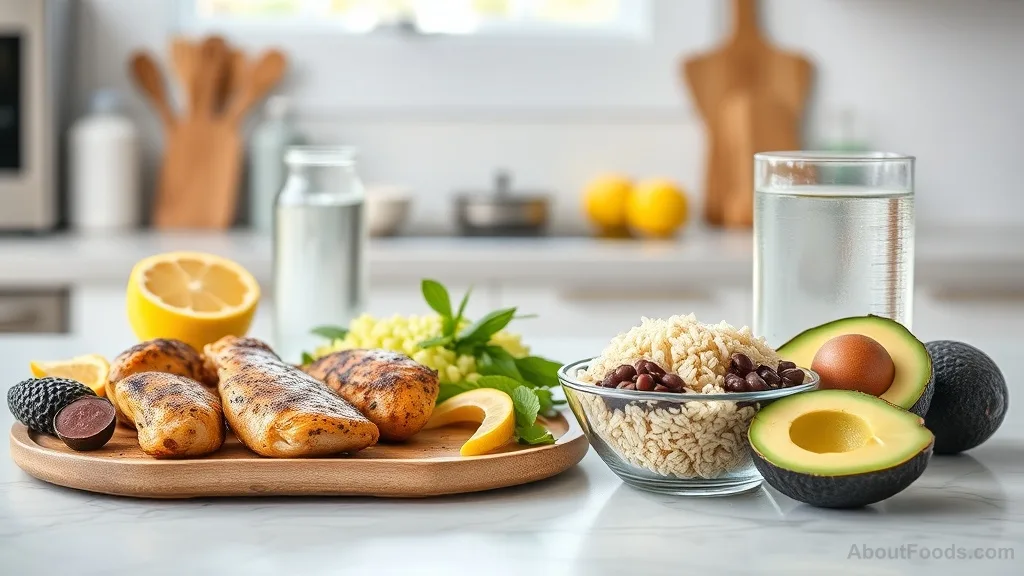
Understanding the Foundation: What Your Body Really Needs
When we talk about sports nutrition, many people immediately think of supplements and complicated formulas. But as someone raised with traditional Mexican cooking values, I believe we should start with the basics our ancestors understood: real food, proper timing, and listening to our bodies. Sports nutrition isn't about magic pills or extreme diets—it's about giving your body the right building blocks at the right times so it can perform at its best and recover properly.
Think of your body like a traditional clay oven—it needs the right fuel, at the right temperature, for the right amount of time to create something beautiful. Whether you're training for a marathon, playing weekend sports, or simply maintaining an active lifestyle, the principles remain the same. We'll explore how macronutrients, hydration, and timing work together to support your athletic goals.
The Three Pillars: Carbohydrates, Protein, and Fats
Every culture has its traditional sources of these essential nutrients, and understanding their roles can transform your approach to sports nutrition. Let's break down what each does for your active body.
| Nutrient | Primary Role | Best Timing | Traditional Sources |
|---|---|---|---|
| Carbohydrates | Primary energy source for muscles and brain | Before and during exercise | Whole grains, beans, corn, potatoes, fruits |
| Protein | Muscle repair and growth | After exercise and throughout day | Lean meats, fish, eggs, beans, dairy |
| Fats | Long-term energy, hormone production | Between workouts, with meals | Avocado, nuts, seeds, olive oil |
Notice how these aren't exotic or expensive ingredients—they're foods people have been eating for generations. The key is balancing them according to your activity level and timing them properly around your workouts.
Hydration: More Than Just Water
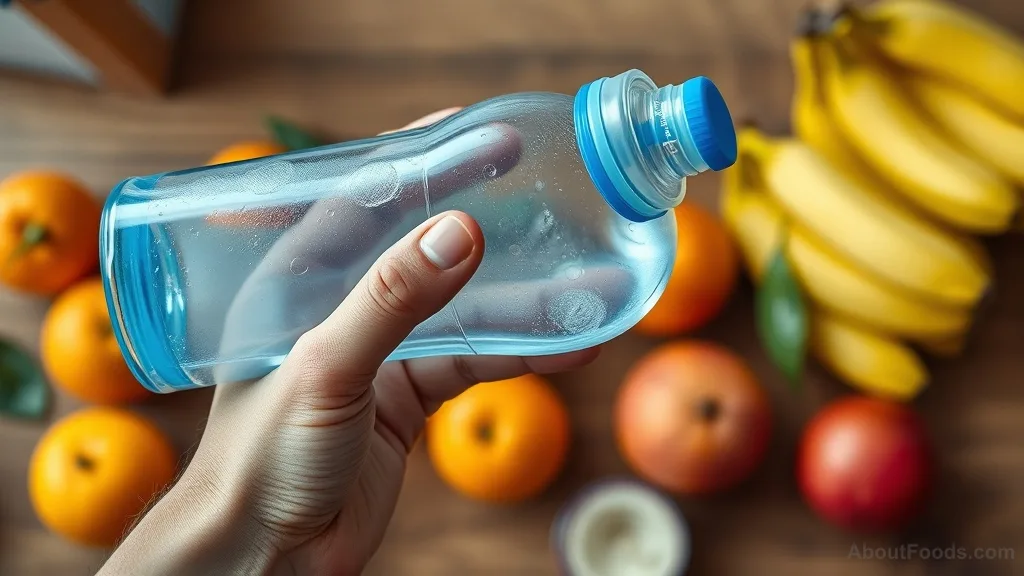
In my family, we always said 'agua es vida'—water is life. But for athletes, hydration involves more than just drinking water. It's about maintaining electrolyte balance and understanding your individual needs.
- Start hydrated: Drink water consistently throughout the day
- not just during workouts
- Monitor your needs: Weigh yourself before and after exercise to understand fluid loss
- Include electrolytes: For sessions longer than 60 minutes
- consider adding natural electrolyte sources
- Listen to your body: Thirst is a late indicator—drink before you feel thirsty during activity
Traditional cultures often used natural electrolyte sources like coconut water, fruit-infused waters, or even simple broths. These provide not just hydration but also essential minerals lost through sweat.
Timing Your Nutrition: When to Eat for Optimal Performance
Just as important as what you eat is when you eat it. Traditional meal patterns often align naturally with activity cycles, and we can apply this wisdom to modern sports nutrition.
Common Mistakes and How to Avoid Them
I've seen many well-intentioned athletes make these common errors. Understanding them can help you navigate your sports nutrition journey more effectively.
Putting It All Together: A Sample Day
Let's look at how these principles might translate to a typical day for someone with morning training. Remember, these are examples—adjust portions and timing based on your individual needs and schedule.
- Morning (pre-workout): Oatmeal with banana and a sprinkle of nuts 60-90 minutes before exercise
- During workout: Water with a squeeze of lemon for sessions under 60 minutes
- Post-workout: Scrambled eggs with whole wheat toast and avocado
- Lunch: Grilled chicken salad with quinoa
- vegetables
- and olive oil dressing
- Afternoon snack: Greek yogurt with berries
- Dinner: Baked salmon with sweet potato and steamed greens
Notice how this approach uses whole, traditional foods in a balanced way throughout the day. There's no need for expensive supplements or complicated meal plans—just good, nourishing food timed appropriately.
Frequently Asked Questions
Do I need protein shakes for muscle building?
While protein shakes can be convenient, they're not necessary if you're getting enough protein from whole foods. Traditional sources like lean meats, eggs, beans, and dairy provide complete protein along with other beneficial nutrients.
How much water should I really drink?
A good starting point is half your body weight in ounces daily, plus additional water to replace sweat loss during exercise. For example, if you weigh 150 pounds, aim for at least 75 ounces as a baseline, plus 16-24 ounces per hour of exercise.
What should I eat if I exercise in the evening?
Have a balanced lunch and a smaller snack about 60-90 minutes before your workout. After exercising, have a light dinner that includes both protein and carbohydrates, but keep it easily digestible since you'll be sleeping soon.
Are carbs really that important for athletes?
Absolutely. Carbohydrates are your body's preferred energy source during moderate to high-intensity exercise. Without adequate carbs, you'll fatigue faster and recover slower. Focus on complex carbs from whole foods for sustained energy.
How do I know if my sports nutrition plan is working?
Look for improved energy during workouts, better recovery between sessions, consistent performance, and overall wellbeing. Keep a simple journal tracking how you feel, perform, and recover to identify what works best for you.
Rate this article
No ratings yet. Be the first to rate it.

Written by
Camila Morales
Specialises in Mexican cuisineCamila makes mole that takes three days. She says shortcuts are for the weak. Her abuela approves.
Describe yourself in three words: Patient, serious, deeply traditional.