Hydration
The Nutrition Guide to Better Hydration: Beyond Just Water
Hydration is about more than just drinking water—it's a nutritional art that influences everything from energy levels to digestion. This guide breaks down how to hydrate effectively with practical tips, common mistakes to avoid, and delicious ways to make hydration a daily ritual.
Why Hydration is a Nutritional Art, Not a Chore
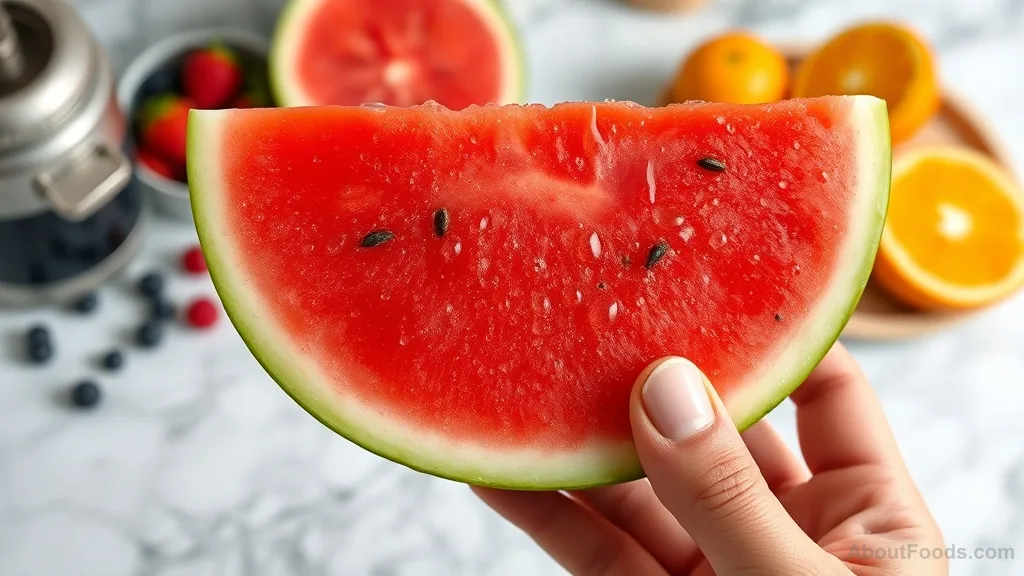
Let me tell you something, mi gente—hydration isn't about forcing down eight glasses of water while watching the clock. In my Mexican kitchen, we know hydration as something creamy, indulgent, and woven into the fabric of daily life. Think of the juicy watermelon we slice after a long afternoon, the hibiscus tea that stains our lips pink, or the simple act of squeezing lime into a glass of agua fresca. True hydration is a nutritional practice that supports every cell in your body, from keeping your skin glowing to helping your digestion run smoothly. It's about listening to your body and giving it what it craves—sometimes that's pure water, sometimes it's a coconut water straight from the shell, and sometimes it's a bowl of caldo on a chilly evening. This guide will show you how to make hydration feel natural, delicious, and utterly unapologetic.
How Much Water Do You Really Need? Let's Get Practical
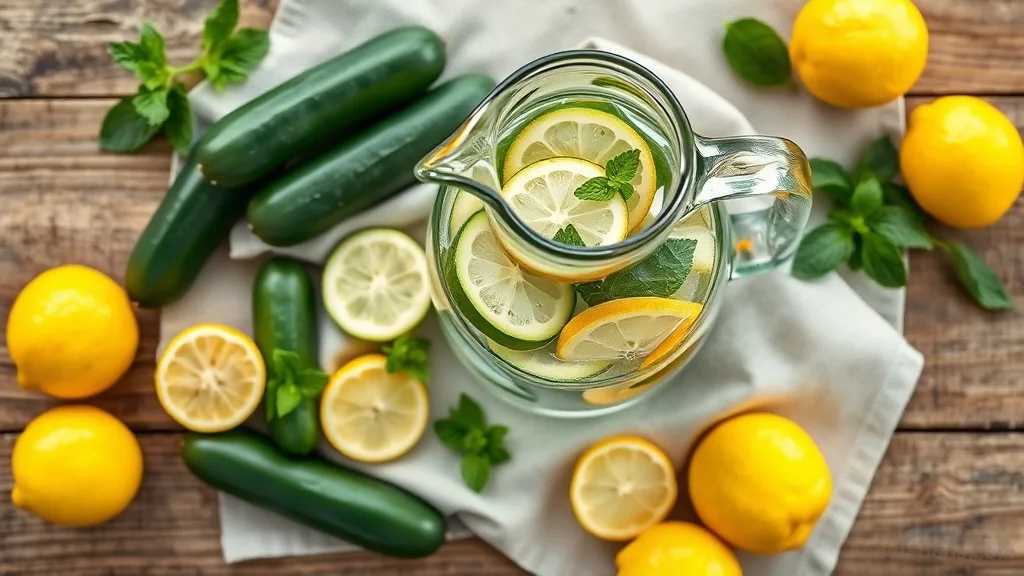
Forget the old 'eight glasses a day' rule—it's too rigid and doesn't account for your unique life. Your hydration needs depend on your body size, activity level, climate, and even what you eat. A better approach is to aim for about half your body weight in ounces of fluids daily, but let's keep it simple: start by drinking when you're thirsty and notice the color of your urine. If it's pale yellow like lemonade, you're on track; if it's dark like apple juice, you need more fluids. And here's my indulgent tip: make your water beautiful. Keep a pretty pitcher in the fridge with slices of citrus or herbs—when it looks inviting, you'll drink it without thinking. Remember, fluids come from drinks AND foods, so let's explore both.
The Hydration Power of Foods: Eat Your Water
In my culture, we don't just drink our hydration—we eat it too. Many fruits and vegetables are over 90% water, and they bring along vitamins, minerals, and fiber that plain water doesn't offer. Think of biting into a crisp cucumber or a juicy orange; that's hydration you can taste. Incorporating these foods into your meals adds up throughout the day and makes staying hydrated feel effortless and delicious.
Beyond Water: Smart Drink Choices for All-Day Balance
Water is essential, but it's not the only player in the hydration game. Sometimes your body needs electrolytes—minerals like sodium, potassium, and magnesium that help retain fluids and support muscle function. Instead of reaching for sugary sports drinks, try natural options like coconut water, which is rich in potassium, or herbal teas like chamomile or mint. Even a pinch of salt in your water can help on hot days or after a workout. And let's talk about coffee and alcohol—yes, you can enjoy them, but balance them with extra water. For every cup of coffee or glass of wine, have a glass of water to keep things in check.
- Coconut water: A natural electrolyte boost without added sugars.
- Herbal teas: Hydrating and calming
- perfect for any time of day.
- Infused water: Add fruits
- herbs
- or cucumber slices for flavor without calories.
- Broth-based soups: Warm and hydrating
- especially in cooler weather.
Common Hydration Mistakes (and How to Fix Them)
We've all been there—chugging water only to feel bloated, or forgetting to drink until we're parched. Let's smooth out those rough edges with some grounded advice. First, drinking too much at once can overwhelm your system; sip steadily throughout the day instead. Second, relying solely on thirst isn't always enough, especially as we age or in dry climates—set gentle reminders, like drinking a glass when you wake up or before each meal. Third, ignoring electrolytes during intense activity or heat can lead to imbalance; include a banana or a handful of nuts with your water. And finally, don't fear the creamy—full-fat yogurt or a slice of avocado adds moisture and nutrients that support hydration from within.
Your Daily Hydration Cheat Sheet: Simple Steps to Follow
FAQs: Your Hydration Questions, Answered
Can you drink too much water?
Yes, though it's rare for most people. Overhydration can dilute electrolytes in your body, leading to imbalance. Stick to sipping throughout the day rather than gulping large amounts at once, and include electrolyte-rich foods like bananas or spinach in your diet.
Do caffeinated drinks dehydrate you?
Not significantly, if consumed in moderation. Coffee and tea do have a mild diuretic effect, but they still contribute to your overall fluid intake. Balance them with plain water—for example, have a glass of water with your morning coffee.
What are the best drinks for hydration besides water?
Coconut water, herbal teas, milk, and broth-based soups are excellent choices. They provide fluids along with nutrients or electrolytes. Avoid sugary sodas and juices, which can spike blood sugar without offering much hydration benefit.
How can I tell if I'm dehydrated?
Common signs include dark yellow urine, dry mouth, fatigue, headache, and dizziness. Thirst is a late indicator, so try to drink before you feel parched. Eating water-rich foods can also help prevent dehydration.
Is sparkling water as hydrating as still water?
Yes, plain sparkling water hydrates just as well as still water. However, be mindful of added sugars or artificial flavors in some sparkling drinks—stick to unflavored varieties or add a squeeze of fresh fruit for taste.
Rate this article
No ratings yet. Be the first to rate it.

Written by
Camila Navarro
Specialises in Mexican cuisineCamila Navarro makes elote that is 50% mayo, 50% cheese, and 100% addictive. She has a cholesterol warning on her menu.
Describe yourself in three words: Indulgent, unapologetic, creamy.