Minerals
What Most People Get Wrong About Minerals: A Cute & Precise Guide
Minerals are essential for health, but many misconceptions lead to confusion. Let's clear up the myths with practical, kitchen-friendly advice.
Hello, I'm Aiko Sato! Let's Talk Minerals
Konnichiwa! I'm Aiko Sato, and I might look like a cute, animal-shaped rice ball, but I'm here to share precise, grounded advice about nutrition. Today, we're diving into minerals—those tiny nutrients that do big jobs in our bodies. Many people get confused about minerals, thinking they need fancy supplements or exotic foods. But as someone who values simplicity and accuracy (and loves a good onigiri), I'll show you how to get minerals right from your everyday kitchen. Let's bust some myths and make nutrition feel approachable and delicious!
Myth 1: 'More Minerals Are Always Better'
One of the biggest mistakes is thinking that loading up on minerals is always beneficial. In reality, balance is key! Minerals work together in harmony, and too much of one can interfere with another. For example, excessive zinc can reduce copper absorption. Aim for a varied diet rather than focusing on single minerals. Think of it like a well-balanced meal—everything in moderation, just like how I, as a rice ball, need the right mix of rice, filling, and nori to be perfect!
- Excess calcium can hinder iron absorption.
- High sodium intake may increase calcium loss.
- Aim for food diversity to naturally balance minerals.
Myth 2: 'Supplements Are Necessary for Everyone'
Many believe that mineral supplements are a must, but for most people, food is the best source. Supplements can be helpful in specific cases, but they're not a substitute for a nutrient-rich diet. Whole foods provide minerals in forms that are easier for your body to use, along with other beneficial compounds. Unless advised by a healthcare professional, focus on eating a variety of foods. As a rice-shaped guide, I recommend starting in your kitchen—it's full of mineral treasures!
Myth 3: 'All Minerals Are Absorbed Equally'
This myth leads to frustration when people eat mineral-rich foods but don't feel the benefits. Absorption varies widely! For instance, iron from plant sources (non-heme iron) is less absorbed than from animal sources (heme iron), but you can boost it by pairing with vitamin C-rich foods. Cooking methods also matter—steaming vegetables can preserve minerals better than boiling. Be mindful of how you prepare and combine foods to maximize mineral uptake. It's like wrapping rice in nori—the right technique makes all the difference!
| Mineral | Absorption Tip | Example Pairing |
|---|---|---|
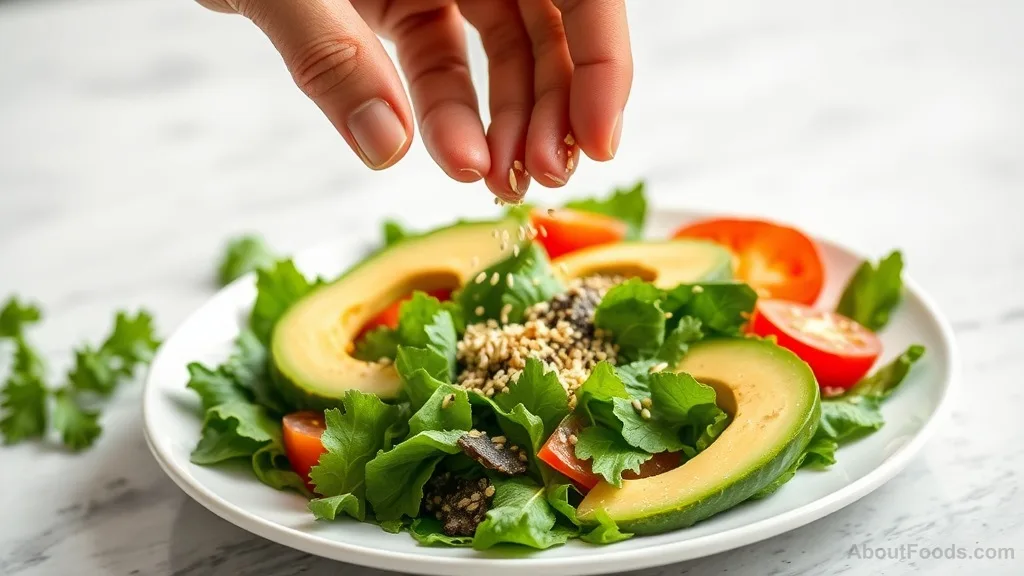
| Iron | Pair with vitamin C | Spinach salad with lemon juice |
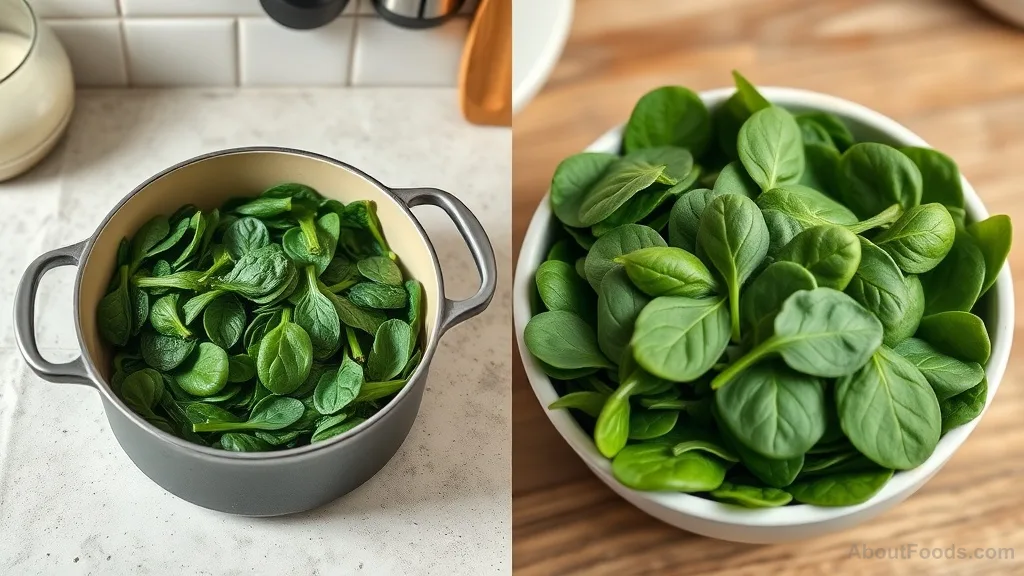
| Calcium | Limit high-oxalate foods raw | Cook spinach instead of eating raw |
| Zinc | Soak legumes before cooking | Soaked lentils in soup |
Myth 4: 'Trace Minerals Don't Matter Much'
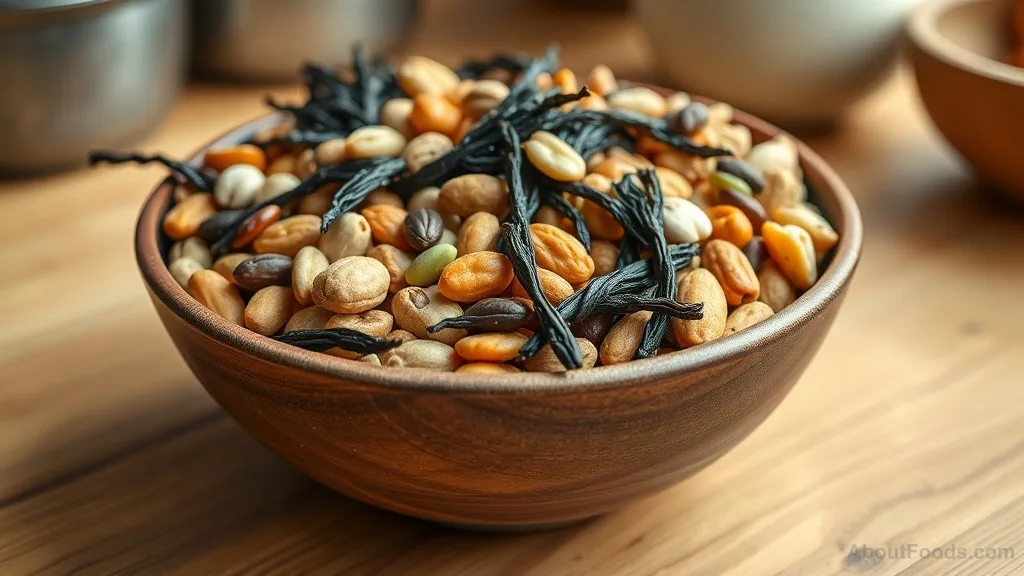
Some think that trace minerals—like selenium, iodine, and copper—are minor players, but they're crucial for health! Iodine, for example, supports thyroid function and is found in seaweed, a staple in Japanese cuisine. Trace minerals are needed in smaller amounts but still essential. Include diverse foods like seafood, nuts, and whole grains to cover these bases. Remember, even tiny rice grains come together to make something satisfying—similarly, trace minerals add up to big benefits!
Practical Tips for Mineral-Rich Eating
Now that we've cleared up the myths, let's focus on actionable steps. You don't need to overhaul your diet—small, consistent changes can make a big impact. Start by adding more whole foods, experimenting with cooking methods, and paying attention to food combinations. Keep it simple and enjoyable, much like crafting a cute onigiri with care and precision!
- Include a variety of colors on your plate for different minerals.
- Use herbs and spices like parsley and turmeric
- which contain trace minerals.
- Opt for whole grains over refined ones to retain more minerals.
- Try soaking or sprouting legumes and grains to improve mineral availability.
FAQ: Common Questions About Minerals
Can I get enough minerals on a plant-based diet?
Yes! Focus on variety: legumes, nuts, seeds, leafy greens, and fortified foods. Pair iron-rich plants with vitamin C sources for better absorption.
Do cooking methods destroy minerals?
Some minerals can be lost in water when boiling, so steaming or sautéing is often better. Cooking can also make certain minerals more available, like in tomatoes.
How do I know if I'm mineral deficient?
Common signs include fatigue or brittle nails, but these can have many causes. For concerns, consult a healthcare professional rather than self-diagnosing.
Are mineral waters a good source?
They can contribute, especially for minerals like magnesium and calcium, but they shouldn't replace a balanced diet. Check labels for mineral content.
Wrapping It Up with a Smile
Arigatou for joining me on this mineral journey! Remember, minerals are not about perfection or extremes—they're about balance, variety, and enjoying your food. By debunking these common myths, I hope you feel more confident in making nutritious choices. Keep exploring your kitchen with curiosity, and don't forget to add a pinch of fun, just like shaping rice into something cute and precise. Until next time, eat well and stay wholesome!
Rate this article
4.6 out of 5 from 14 ratings

Written by
Aiko Sato
Specialises in Japanese cuisineAiko Sato makes onigiri with pickled plum and a smile. She shapes them like animals.
Describe yourself in three words: Cute, precise, animal-shaped rice.