Heart Health
The AboutFoods Guide to Eating for Heart Health
A warm and practical guide to heart-healthy eating from Eleni Demetriou, rooted in Mediterranean traditions and grounded in everyday food choices that support your heart.
Eating for the Heart: A Gentle Approach
When I think about heart health, I don't imagine strict diets or complicated rules. I think about golden afternoons in my yiayia's kitchen, the smell of olive oil and oregano drifting through the air, and the feeling of sitting down to a meal that nourishes both body and soul. That, to me, is what eating for your heart really means—choosing foods that support your health while still bringing joy to the table.
Heart disease remains one of the leading health concerns worldwide, but the good news is that the food on your plate can make a real difference. Research consistently shows that a diet rich in whole, unprocessed foods—especially those found in the Mediterranean tradition—can help reduce risk factors like high blood pressure, inflammation, and unhealthy cholesterol levels. This guide walks you through the best foods to embrace, with practical tips for making them part of your everyday life.
Healthy Fats: Your Heart's Best Friend
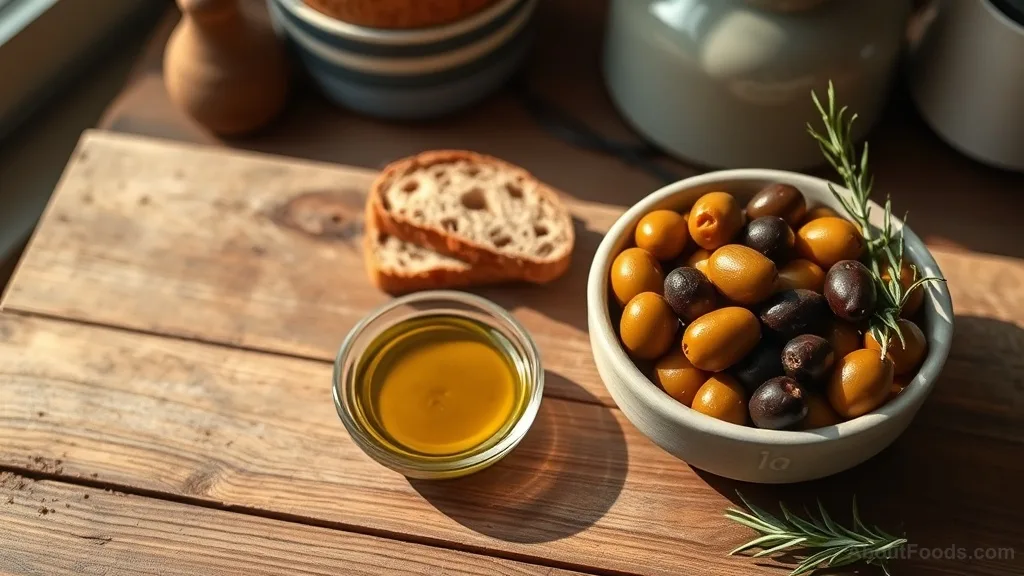
For years, we were told that fat was the enemy. But we now know that certain fats are not only good for us—they are essential. The Mediterranean diet, which I grew up with, is built on olive oil, nuts, seeds, and fatty fish. These foods provide monounsaturated and polyunsaturated fats that help lower bad cholesterol (LDL) and reduce inflammation.
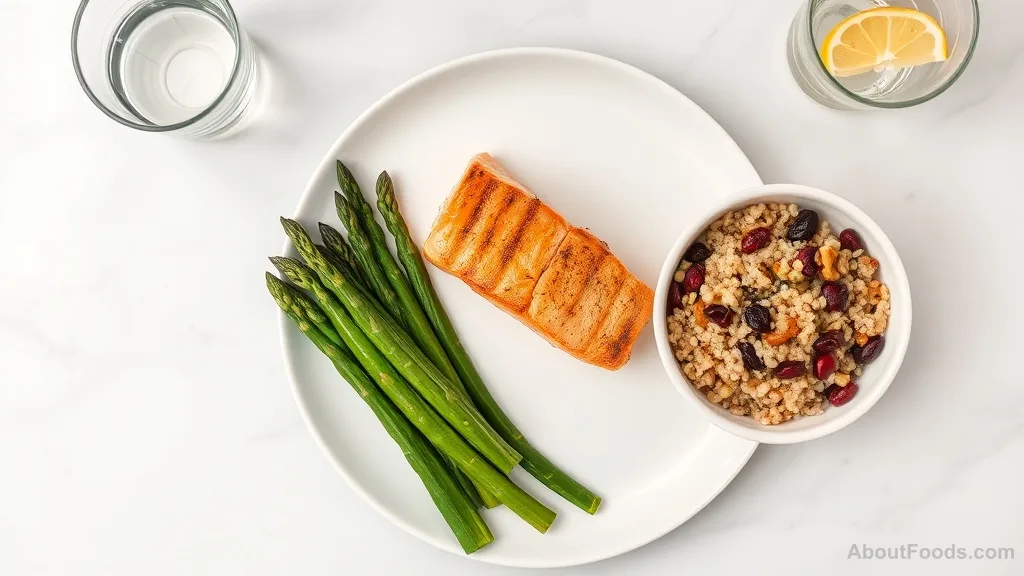
Simple swaps can make a big impact: replace butter with olive oil, snack on a handful of walnuts instead of chips, and choose salmon over red meat a couple of times a week.
Fiber-Rich Whole Grains and Legumes
Fiber is a quiet hero when it comes to heart health. Soluble fiber, in particular, helps reduce the absorption of cholesterol into your bloodstream. Whole grains and legumes are some of the best sources, and they are also wonderfully filling and versatile.
Start your day with a bowl of oats topped with berries, add lentils to your lunch soup, and swap white rice for barley or quinoa at dinner. These small changes add up quickly.
Colorful Fruits and Vegetables: Nature's Medicine
Brightly colored produce is packed with antioxidants, vitamins, and minerals that protect your heart by reducing oxidative stress and inflammation. The goal is to 'eat the rainbow'—not just for Instagram, but for your arteries.
Aim for at least five servings of fruits and vegetables a day. Not sure how? Add a handful of spinach to your smoothie, snack on an apple with almond butter, and fill half your plate with veggies at lunch and dinner.
Heart-Healthy Herbs, Spices, and Flavor Boosters
In my yiayia's kitchen, herbs and spices were more than just flavor—they were remedies. Many herbs have anti-inflammatory and antioxidant properties that benefit the heart. Using them generously can also help you reduce salt, which is important for blood pressure control.
Experiment with these flavors: a garlic-turmeric lentil soup, a ginger-cinnamon smoothie, or a oregano-lemon dressing for your greens. Your heart will thank you.
Foods to Enjoy in Moderation
Eating for heart health isn't about deprivation—it's about balance. Some foods are best enjoyed less often or in smaller portions. Being mindful doesn't mean never indulging; it means making conscious choices most of the time.
Remember, perfection isn't the goal. If you enjoy a burger or a pastry now and then, that's okay. What matters is the overall pattern of your diet.
Putting It All Together: A Day of Heart-Healthy Eating
Frequently Asked Questions About Heart-Healthy Eating
Rate this article
No ratings yet. Be the first to rate it.

Written by
Eleni Demetriou
Specialises in Greek cuisineEleni Demetriou runs a food blog called 'Olive My Love'. She photographs every meal for 20 minutes before eating.
Describe yourself in three words: Romantic, slow, loves golden hour.