Gut Health
The AboutFoods Guide to Eating for Gut Health: Nourishing Your Body's Hidden Garden
Discover how simple, everyday foods can support your digestive well-being. This guide offers practical tips for incorporating gut-friendly ingredients into your meals, inspired by gentle, nourishing traditions.
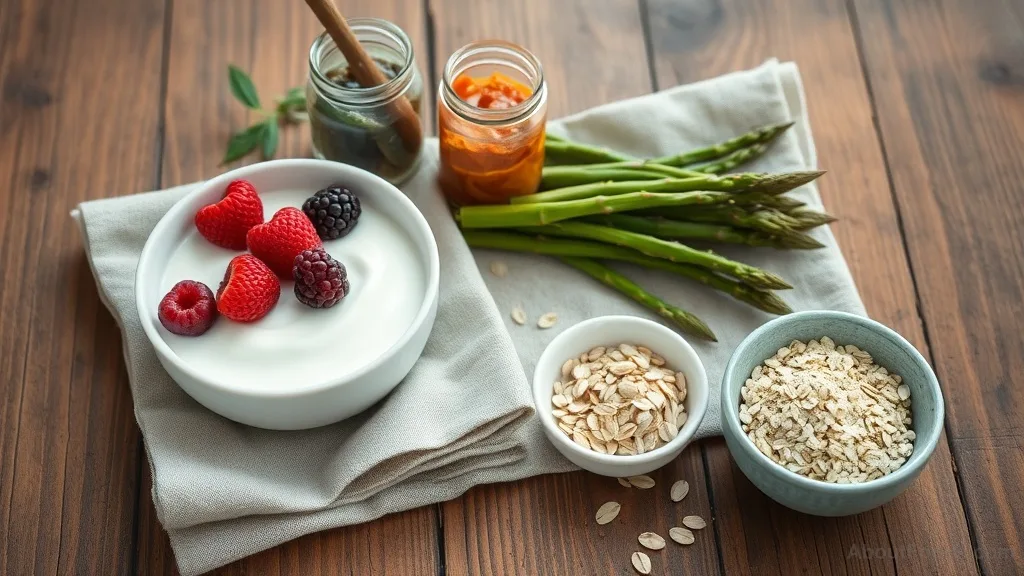
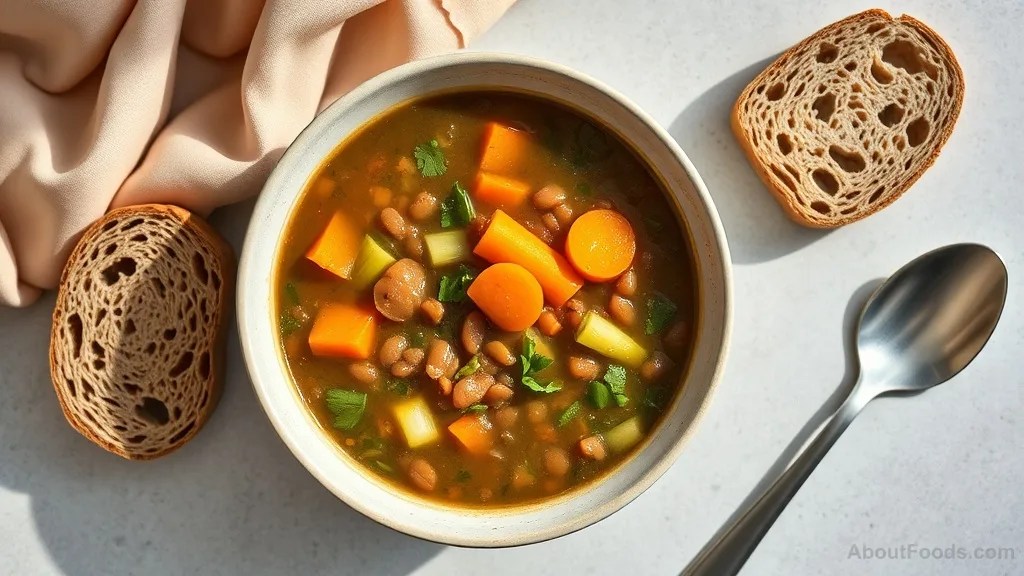
Welcome to Your Gut's Kitchen
When I think of gut health, I remember my grandmother's kitchen in Hanoi—the gentle simmer of bone broth on the stove, the tangy scent of pickled vegetables in ceramic jars, the way she'd slice bananas just so for our morning porridge. She never used words like 'probiotics' or 'microbiome,' but she understood, in that deep, quiet way, that food should comfort not just the heart but the belly too. Your digestive system is like a hidden garden, and what you eat determines whether it flourishes or struggles. This guide is about tending that garden with simple, nourishing foods—the kind that feel like a warm embrace.
Understanding the Basics: Probiotics and Prebiotics
Think of your gut as hosting trillions of tiny helpers—the beneficial bacteria that aid digestion, support immunity, and even influence mood. To keep them happy, you need two types of foods: probiotics and prebiotics. Probiotics are foods containing live beneficial bacteria, like yogurt or kimchi. Prebiotics are fibers that feed those bacteria, found in foods like onions, oats, and bananas. Together, they create a balanced environment where good bacteria can thrive. You don't need fancy supplements; everyday ingredients can do the job beautifully.
- Probiotic foods: Yogurt
- kefir
- sauerkraut
- kimchi
- miso
- tempeh
- Prebiotic foods: Garlic
- onions
Top Gut-Friendly Foods to Add to Your Diet
Incorporating gut-healthy foods doesn't require a complete diet overhaul. Start with one or two additions and build from there. Here are some of the most effective and accessible options, chosen for their simplicity and versatility.
| Food | Key Benefit | Easy Ways to Use |
|---|---|---|
| Plain yogurt | Rich in probiotics like Lactobacillus | Add to smoothies, use as a base for dips, or enjoy with fruit |
| Oats | High in soluble fiber (a prebiotic) | Make overnight oats, add to baked goods, or cook as porridge |
| Kimchi | Fermented vegetables with diverse probiotics | Serve as a side, add to rice bowls, or mix into salads |
| Lentils | Excellent source of fiber for bacterial fuel | Use in soups, stews, or as a meat substitute in dishes |
| Bananas (slightly green) | Contain resistant starch, a prebiotic fiber | Slice into cereal, blend into smoothies, or eat as a snack |
| Garlic | Prebiotic properties that support good bacteria | Sauté with vegetables, add to sauces, or use in marinades |
Simple Meal Ideas for Better Digestion
The best approach is to weave these foods into meals you already enjoy. Here are a few gentle suggestions, inspired by the idea that eating well should feel effortless and satisfying.
Common Mistakes to Avoid
Even with good intentions, small missteps can hinder progress. Here are a few pitfalls I've seen—and how to steer clear of them.
A Gentle Approach to Lasting Change
Improving gut health isn't about strict rules or overnight transformations. It's about small, consistent choices—like stirring a spoonful of yogurt into your soup or adding an extra onion to your stir-fry. Listen to your body; what works for one person might differ for another. The goal is to create a sustainable rhythm that feels nourishing, not restrictive. Remember my grandmother's wisdom: food is medicine when it's made with care and eaten with joy.
Frequently Asked Questions
How quickly will I notice improvements in my digestion?
Most people feel some changes within a few weeks of consistently eating gut-friendly foods, but it can vary. Be patient and focus on long-term habits rather than immediate results.
Can I eat gut-healthy foods if I have food sensitivities?
Yes—choose options that work for you. For example, if dairy is an issue, try dairy-free probiotics like kimchi or tempeh, and focus on prebiotics from well-tolerated vegetables or fruits.
Do I need to take probiotic supplements?
Not necessarily. Many people can get enough probiotics from food alone. Supplements can be helpful in some cases, but it's best to focus on whole foods first and consult a healthcare professional if unsure.
Are there foods I should avoid for gut health?
Highly processed foods, excessive sugar, and artificial sweeteners can disrupt gut bacteria. Moderation is key; instead of elimination, aim to balance them with plenty of whole, fiber-rich foods.
How can I make these foods more appealing to my family?
Start with familiar dishes—add beans to tacos, mix yogurt into smoothies, or serve kimchi as a tangy side. Involving others in preparation can also increase interest and acceptance.
Rate this article
No ratings yet. Be the first to rate it.

Written by
Linh Tran
Specialises in Vietnamese cuisineLinh Tran makes ca kho (caramelized fish) in a clay pot that has been in her family for 60 years.
Describe yourself in three words: Nostalgic, gentle, caramel smell.