Weight Management
The AboutFoods Guide to Eating for Weight Management
Learn how to approach weight management through mindful food choices rooted in tradition and practicality. This guide focuses on sustainable eating habits that honor your body and heritage.
Understanding Weight Management Through Food
In my family's kitchen in Mexico City, we never spoke of 'diets' or 'weight loss' as separate from our daily lives. Food was medicine, celebration, and connection—all woven together. When we talk about weight management, I think of it as this same integrated approach: choosing foods that nourish your body, satisfy your hunger, and honor your traditions. This isn't about restriction or complicated rules. It's about returning to the wisdom of our ancestors while adapting to modern life.
True weight management comes from building a relationship with food that sustains you physically and emotionally. It's about finding balance—not perfection. In this guide, I'll share practical approaches rooted in traditional Mexican cooking principles that can help you make food choices that support your weight management goals while keeping meals delicious and culturally meaningful.
The Foundation: Traditional Foods That Support Balance
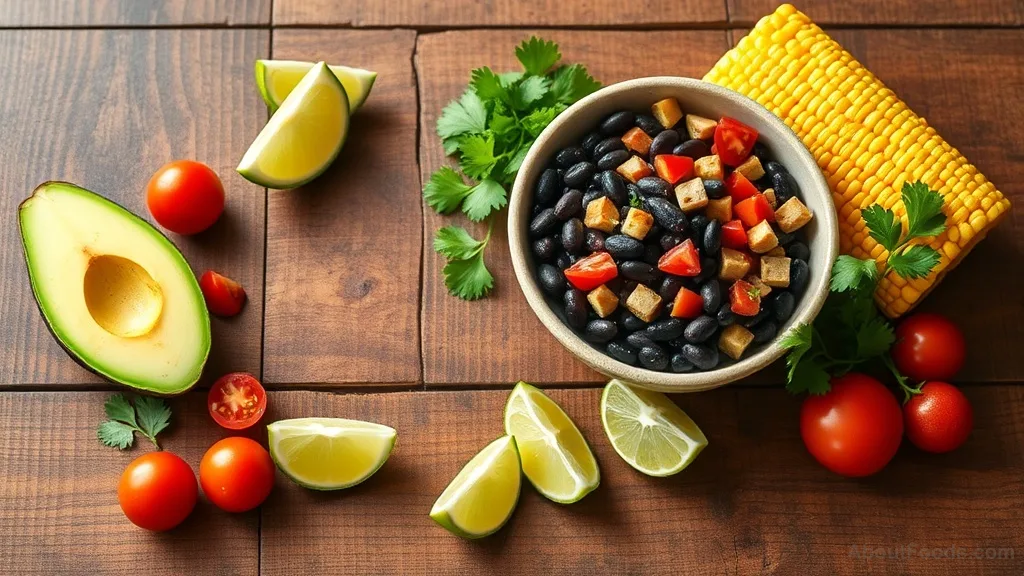
Our traditional Mexican cuisine offers beautiful examples of balanced eating. Think of the classic combination of beans and corn—complete proteins that provide sustained energy. Or consider how we use chili peppers not just for heat, but for their metabolism-supporting properties. These foods have sustained generations because they work with our bodies, not against them.
- Beans and legumes: Black beans
- pinto beans
- and lentils provide protein and fiber that help you feel full longer
- Whole corn: In tortillas
- pozole
- or esquites
- corn offers complex carbohydrates for steady energy
- Avocado: Rich in healthy fats that promote satiety and nutrient absorption
These ingredients form the backbone of meals that satisfy without overloading. When you build your plate around these traditional foods, you're choosing nutrients that support your body's natural rhythms.
Practical Portion Control: The Abuela's Hand Method
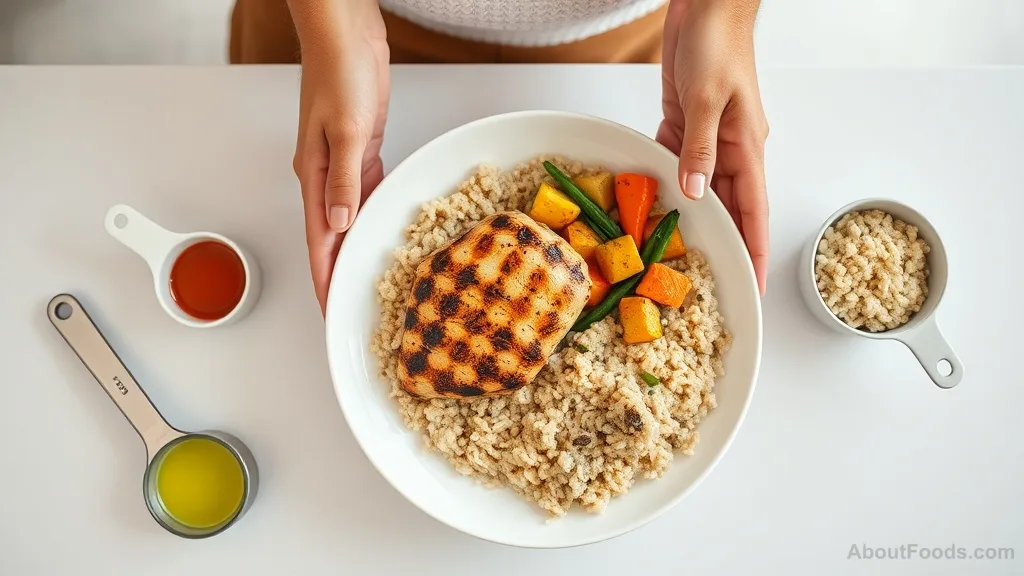
My abuela never measured ingredients with cups or scales—she used her hands. This intuitive approach to portions is something we can all learn from. Instead of counting calories, think about balancing your plate using this simple visual guide.
| Food Group | Portion Guide | Traditional Example |
|---|---|---|
| Protein | Palm of your hand | Grilled chicken, fish, or beans |
| Vegetables | Two cupped hands | Roasted nopales, sautéed peppers |
| Complex Carbs | One cupped hand | Corn tortillas, brown rice |
| Healthy Fats | Thumb size | Avocado slice, olive oil drizzle |
This method works because it's proportional to your body size and doesn't require special tools. At your next meal, try arranging your plate this way. Notice how you feel—satisfied but not overly full. This is the balance we're seeking.
Building Balanced Meals: A Week of Traditional Inspiration
Let me show you how traditional meals can be adapted for weight management. The key is maintaining flavor and satisfaction while ensuring nutritional balance.
Notice how each meal includes protein, vegetables, and controlled portions of carbohydrates. The flavors remain authentic, but the preparation methods support your goals.
Common Mistakes and How to Avoid Them
In my work with families, I've seen certain patterns that can undermine weight management efforts. Being aware of these common pitfalls can help you navigate them more successfully.
Remember: Progress, not perfection. If you find yourself making one of these mistakes, simply acknowledge it and return to your balanced approach at the next meal.
Smart Swaps: Traditional Ingredients, Modern Application
You don't need to abandon your favorite foods to support weight management. Often, small adjustments in preparation or ingredient choices can make a significant difference while maintaining the essence of the dish.
- Instead of fried tortilla chips: Try baked whole-grain tortilla strips or jicama slices
- Instead of sour cream: Use Greek yogurt or blended avocado
- Instead of white rice: Choose brown rice
- quinoa
- or cauliflower rice
- Instead of frying meats: Grill
- bake
- or stew with vegetables
These swaps maintain flavor and cultural authenticity while supporting your goals. The most successful changes are those you can maintain long-term, not drastic overhauls that leave you feeling deprived.
Frequently Asked Questions
Can I still enjoy traditional celebrations and foods?
Absolutely. Special occasions are about connection and celebration. Enjoy traditional foods mindfully—take reasonable portions, savor each bite, and return to your balanced approach at the next meal. Life is about balance, not deprivation.
How do I handle cravings?
First, ensure you're eating balanced meals that satisfy you. If cravings persist, try having a small portion of what you're craving rather than fighting it completely. Sometimes, our bodies are asking for specific nutrients or comfort—listen respectfully.
Is it necessary to count calories?
For most people, focusing on food quality and portion balance is more sustainable than calorie counting. The hand portion method and balanced plate approach often work better long-term because they're intuitive and flexible.
How long until I see results?
Weight management is a journey, not a destination. Focus on how you feel—more energy, better sleep, comfortable digestion. These non-scale victories often come before visible changes and are equally important measures of success.
Moving Forward: Your Personal Food Journey
As we conclude this guide, I want to leave you with this thought: Weight management through food is not about following someone else's rules. It's about discovering what works for your body, your lifestyle, and your heritage. The traditional foods of our ancestors carried wisdom about balance and nourishment—wisdom we can still access today.
Start with one change that feels manageable. Maybe it's adding more vegetables to your meals, or paying attention to your hunger signals, or simply drinking more water. Build from there. Remember that this is not about perfection, but about progress. Each meal is an opportunity to nourish yourself well.
In my family, we say 'Barriga llena, corazón contento'—a full belly, a happy heart. May your journey toward weight management bring you both physical nourishment and heartfelt satisfaction.
Rate this article
No ratings yet. Be the first to rate it.

Written by
Camila Morales
Specialises in Mexican cuisineCamila makes mole that takes three days. She says shortcuts are for the weak. Her abuela approves.
Describe yourself in three words: Patient, serious, deeply traditional.