Better Sleep
Balanced Meal Ideas Centered on the Best Foods for Better Sleep
Discover how to build balanced meals using sleep-supporting foods. These practical ideas combine ingredients like tart cherries, almonds, and whole grains to create nourishing dishes that may help you unwind and rest more peacefully.
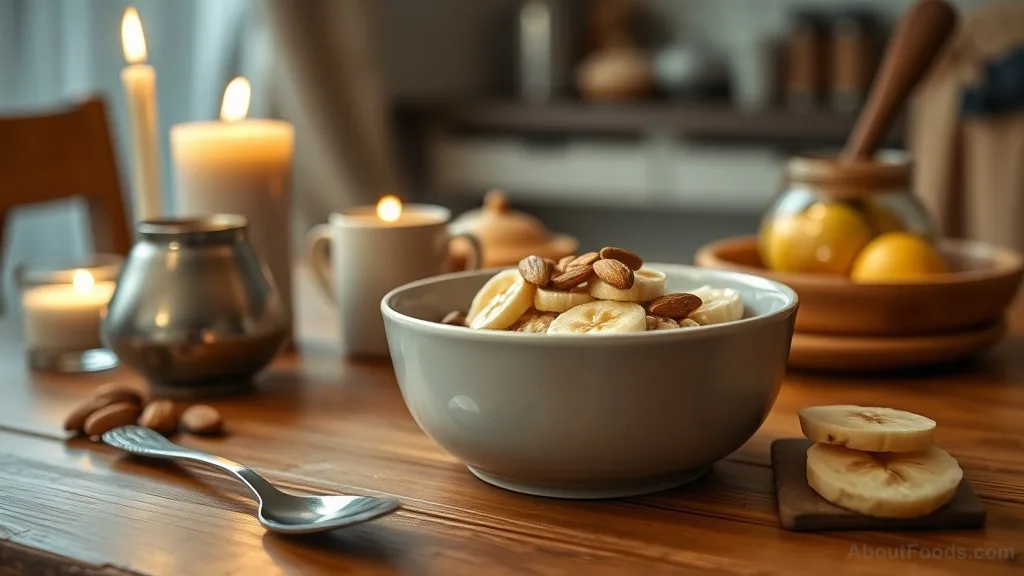

The Secret Connection Between Food and Sleep
In the quiet kitchens of my childhood, I learned that food holds more than flavor—it holds whispers of rest. Like many Burmese traditions, our meals were designed to balance not just taste, but the body's rhythms. Today, we understand that certain foods contain compounds that may gently nudge our nervous system toward relaxation. This isn't about magic potions, but about building balanced meals that support your natural sleep cycle. Think of it as arranging ingredients like notes in a lullaby—each playing its part in the symphony of rest.
The key nutrients we're looking for include tryptophan (an amino acid that helps produce sleep-regulating serotonin and melatonin), magnesium (which may help relax muscles and calm the nervous system), and complex carbohydrates (that provide steady energy without spikes). When combined thoughtfully in balanced meals, these elements create a foundation for better sleep without making dramatic changes to your routine.
Building Your Sleep-Supporting Pantry
Before we create meals, let's gather our tools. A well-stocked kitchen makes sleep-friendly eating effortless. These are the ingredients I always keep within reach—not because they're exotic, but because they're quietly powerful.
- Tart cherries (fresh
- frozen
- or 100% juice): Naturally contain melatonin
- Almonds and walnuts: Rich in magnesium and healthy fats
- Whole grains like oats
- quinoa
- and brown rice: Provide complex carbohydrates
- Bananas and kiwis: Good sources of potassium and serotonin precursors
Notice that none of these require special trips to obscure markets. They're everyday foods that, when combined intentionally, create meals that support restful sleep. Keep these on hand, and you'll always have options for sleep-supporting meals.
Balanced Breakfasts to Start Your Day Right
Sleep support begins in the morning. A balanced breakfast sets your energy rhythm for the day, preventing the crashes that can disrupt evening rest. These ideas are substantial enough to sustain you, yet gentle on your system.
The common thread here is balance: protein, healthy fats, and complex carbohydrates working together. Avoid sugary cereals or pastries that can cause energy spikes and crashes, potentially affecting your sleep later.
Lunch Combinations for Sustained Energy
Midday meals should nourish without weighing you down. These lunch ideas provide lasting energy while including sleep-supporting nutrients that begin their work hours before bedtime.
| Meal Idea | Key Sleep-Supporting Ingredients | Why It Works |
|---|---|---|
| Spinach and Salmon Salad | Salmon, spinach, quinoa, almonds | Salmon provides omega-3s and vitamin D, spinach offers magnesium, and quinoa adds complex carbs for steady afternoon energy |
| Turkey and Avocado Wrap | Turkey, whole grain wrap, avocado, leafy greens | Turkey contains tryptophan, whole grains provide fiber, and avocado adds healthy fats to prevent energy crashes |
| Miso Soup with Tofu and Greens | Tofu, seaweed, leafy greens, brown rice | Tofu offers tryptophan, seaweed provides minerals, and brown rice maintains stable blood sugar levels throughout the day |
Notice how each meal combines a protein source with complex carbohydrates and vegetables. This balance helps maintain steady energy levels, preventing the late-afternoon slump that might lead to caffeine consumption too close to bedtime.
Evening Meals Designed for Relaxation
The evening meal is where sleep support becomes most intentional. These dinners are satisfying but not heavy, combining ingredients that may naturally promote relaxation. Serve them 2-3 hours before bedtime for optimal digestion.
Bedtime Snacks and Drinks
Sometimes, a small snack before bed can actually support sleep by stabilizing blood sugar levels. The key is choosing the right combination—something light yet nourishing. These options are my favorites for those evenings when sleep feels just out of reach.
- A small bowl of tart cherries with a few almonds
- Whole grain crackers with a thin spread of almond butter
- A small banana with a teaspoon of honey
- A cup of warm milk with a dash of cinnamon
- A small serving of plain yogurt with kiwi slices
For drinks, herbal teas are your best allies. Chamomile has been used for centuries as a gentle relaxant. Passionflower tea may help calm racing thoughts. Warm milk (dairy or fortified plant-based) contains tryptophan and creates a comforting ritual. Avoid caffeine after midday, and be mindful of alcohol, which may initially make you sleepy but often disrupts sleep quality later in the night.
Common Mistakes and How to Avoid Them
Even with the best intentions, small missteps can undermine sleep-supporting eating. Here are the patterns I've observed—and how to navigate around them.
| Mistake | Why It Matters | Better Approach |
|---|---|---|
| Eating too close to bedtime | Digestion can interfere with sleep onset and quality | Finish your last meal or snack 2-3 hours before bed |
| Choosing high-sugar evening snacks | Sugar spikes can disrupt sleep cycles and cause wakefulness | Opt for balanced snacks with protein, fat, and complex carbs |
| Skipping meals earlier in the day | This can lead to overeating at night and digestive discomfort | Eat balanced meals throughout the day to maintain steady energy |
| Drinking too much liquid before bed | Multiple bathroom trips can fragment sleep | Hydrate adequately earlier in the day, taper off 1-2 hours before bed |
| Relying on heavy, rich foods at dinner | Fatty meals take longer to digest and may cause discomfort | Choose lighter cooking methods like baking, steaming, or grilling |
Remember that consistency matters more than perfection. One less-than-ideal meal won't ruin your sleep, but establishing patterns of balanced eating creates a foundation for better rest over time.
Frequently Asked Questions
Can food really improve my sleep quality?
While food isn't a substitute for medical treatment for sleep disorders, certain nutrients may support your body's natural sleep processes. Balanced meals that include tryptophan, magnesium, and complex carbohydrates can create conditions favorable for restful sleep as part of an overall healthy lifestyle.
How long before I might notice a difference?
Nutritional changes typically work gradually. You might notice subtle improvements in sleep quality within a week of consistent balanced eating, but it often takes 2-3 weeks to establish new patterns. Be patient and focus on building sustainable habits rather than expecting immediate transformation.
Should I avoid any specific foods before bed?
It's generally wise to limit caffeine, alcohol, and heavy, spicy, or high-fat foods in the evening. These can disrupt sleep onset or quality. However, individual tolerances vary—pay attention to how different foods affect your personal sleep patterns.
Are these meals suitable for families with children?
Absolutely. These balanced meals provide good nutrition for all ages. For children, you might adjust portion sizes and include familiar foods alongside new ingredients. The principles of balanced eating with sleep-supporting nutrients benefit everyone in the household.
What if I have dietary restrictions?
The principles here are flexible. For gluten-free needs, use quinoa, rice, or gluten-free oats. For dairy-free, choose fortified plant milks and yogurts. For vegetarian or vegan diets, focus on plant-based proteins like lentils, tofu, and nuts. The key is balancing your plate with sleep-supporting nutrients from whatever foods work for your body.
Rate this article
No ratings yet. Be the first to rate it.

Written by
Thiri Tun
Specialises in Burmese cuisineThiri is a tea leaf salad master who ferments her own tea leaves in a clay pot. She will not tell you the recipe.
Describe yourself in three words: Mysterious, secretive, delicious.