Gut Health
Best Foods for Gut Health: What to Eat More Often
Nurture your gut naturally with these science-backed foods. From fibre-rich vegetables to fermented favourites, discover what to add to your plate for better digestion and overall wellbeing.
Introduction: Reset Your Gut with Real Food
Right then, let’s talk about the gut. I do hope you’re sitting comfortably because what I’m about to share might well change the way you look at your shopping list. The gut, you see, is not just a plumber’s delight – it’s the very engine of our health. A happy gut means better mood, stronger immunity, and all-round vim and vigour. While there is no cure-all potion, science points firmly towards certain foods that can keep the digestive system ticking along nicely. In this guide, I’ll walk you through the best foods for gut health, focusing on those you can start adding to your plate today.
1. Probiotic Fermented Foods for a Boost of Beneficial Bacteria
Let’s begin with the rock stars: fermented foods. These live-food wonders are packed with probiotics, live microorganisms that promote a diverse gut microbiome. Think of them as friendly neighbours settling into your colon. You’ll find probiotics in humble ingredients that have been part of traditional cuisines for centuries.
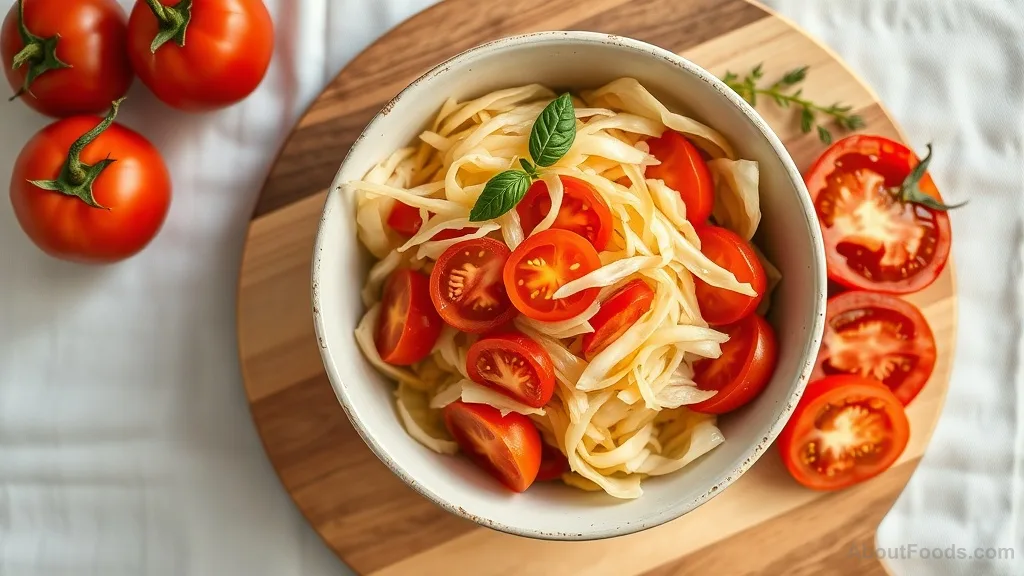
- Sauerkraut or naturally fermented cabbage
- Kimchi — a spicy Korean affair with accompanying crunch
- Kimchi or kraut straight from the fridge
- unpasteurised for the best tart tang
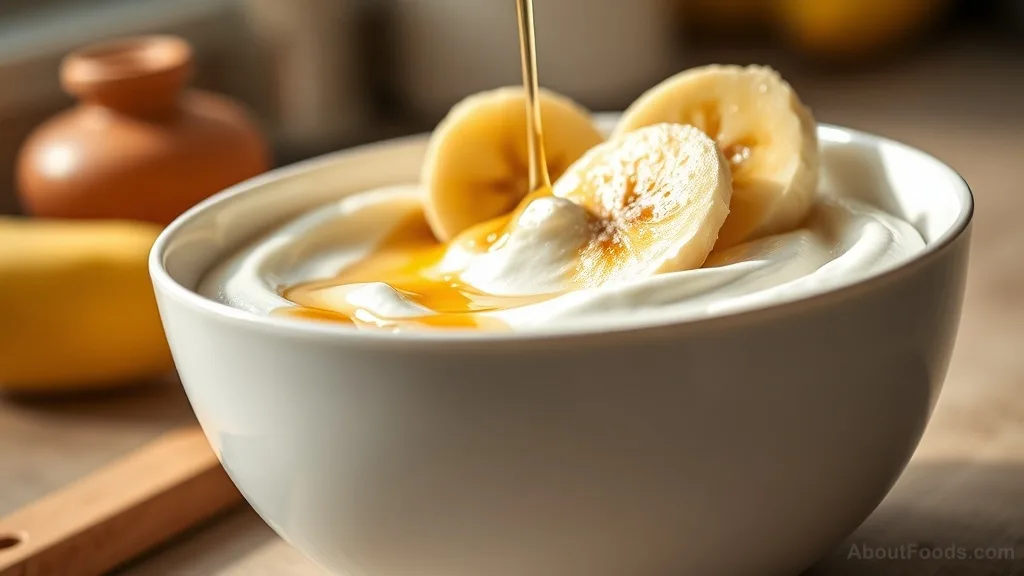
- Yogurt and kefir — fermented dairy offering a creamy dose of friendly flora
- Miso
- tempeh
- and kombucha for diversity
When choosing these, seek out unpasteurised, traditionally fermented varieties without excess vinegar, as the heat used in pasteurisation can dismantle the probiotic goodness. Spoon a forkful of mild sauerkraut onto your evening plate or swirl kefir into a morning smoothie. Your digestion will reward you.
2. Prebiotic Fibrous Foods That Feed Your Microbes
Now probiotics are all very well, but they need to eat too. Enter prebiotics – types of dietary fibre that serve as food for the bacteria living in your colon. Onions, garlic, leeks, asparagus, artichokes, bananas (especially a bit green), oats, and chicory root all feature in this team. Don't be shy; include a variety of prebiotic-rich veggies each day.
Prebiotic fibers are not digested by us, but fermented by bacterial colonies, producing beneficial short-chain fatty acids (like butyrate) that help protect the gut lining. Jerusalum artichokes are a wonderfully tasty vegetable to experiment with; roasting them concentrates their nutty, subtle kinship with artichoke hearts. Or toss a handful of chicory endive leaves into a salad for a pleasant bitter crunch. Work these in gradually to avoid gassy discomfort – changes should be gentle, not explosive.
3. Whole Grains Rich in Friendly-Feeding Fibre
Whole grains like oats, barley, millet, and rye contain complex carbohydrates that pass slowly through the digestive tract, working as fuel for good bacteria while promoting regular bowel movements. Oats in particular include beta-glucan, a soluble fibre linked to lower cholesterol, but also acts as a prebiotic. Steel-cut oats are my preference, as they break down more slowly and deliver a steady release of energy.
4. Colourful Vegetables and Fruity Friends with Polyphenols
The highfalutin word this time is polyphenols. These are plant compounds that act as antioxidants and feed your gut microbiota in marvellous ways. Think red apples, grapes (especially dark ones), berries like raspberries and blueberries, plus quite the darlings: dark chocolate (over 70% cocoa) and green tea. Celery, bell peppers, and spinach also ring the bell.
Polyphenols can selectively stimulate the growth of *Bifidobacteria* and *Lactobacillus* – both linked with improved digestion and mental well-being. A little squares of bittersweet chocolate a day or a cup of steamed kale on an evening does put the gut in high humour.
5. Omega-3 Fatty Acids: The Soothing Sidekicks
Now for the fats that soothe. Omega-3s found in oily fish like wild salmon, mackerel, sardines, herring, and plant sources like flaxseed, chia seeds, and walnuts. These can help reduce intestinal inflammation and maintain the integrity of the gut barrier.
How about a morning smoothie trick? Add a spoonful of ground flaxseed or chia seeds (both gel with water creating a mellow soaking) or cover your kippers with a squeeze of citrus. Prefer vegetarian? Walnuts, hemp seeds, and modest amounts of nori similarly work wonders.
6. Friendly Flavours and Staying Hydrated
Mentioning proper hydration may seem a rather dull recommendation, but water assists the digestive tract in moving waste along and softening stools. Gentle exercise and calming your nerves won't scupper your fine eating efforts either, but for now, drink moderately but throughout the day – perhaps aiming for enough that your urine remains a pale straw yellow.
Practical Tips to Add These Foods Daily
- Rotate your leafy greens: a handful of spinach one day
- kale the next
- Sprinkle unpasteurised sauerkraut (2 spoonful's) beside any meal
- Add mashed banana or apple to porridge during cooking to sweeten naturally
- Drink milky green tea mixed with jasmine
- Craft a 2-arter bowl dinner: roasted artichoke with pesto
- brown rice
- a pungent stir of radish kimchi
Common Questions About Gut Health Foods
Start With One Change
Don't set yourself up for failure all at once. Select an initial simple addition you enjoy (plain yogurt with berries for breakfast becomes favourite) as a step. Once it gains momentum, invite another. Within due weeks, you'll have accumulated the wholesome horde that praises lowing you towards genuine delighted stomach while overall verve steps up. Trust your digestion; it returns that loyalty by making space for a peaceful gut health for its proper function.
Rate this article
No ratings yet. Be the first to rate it.

Written by
Oliver Whitmore
Specialises in British cuisineOliver makes Sunday roast with Yorkshire puddings the size of your face. He says 'gravy is a beverage'.
Describe yourself in three words: Roasty, gravy boat, Yorkshire pride.