Immune Support
The Best Foods for Immune Support on a Realistic Budget
Supporting your immune system doesn't require expensive supplements or exotic superfoods — these budget-friendly kitchen staples deliver real nutrients for immune health without breaking the bank.
Why Immune Health Doesn't Need a Big Budget
Every winter, I watch otherwise sensible people spend a small fortune on bright-coloured bottles of supplements, fancy 'superfood' powders, and imported berries that cost more per kilo than a whole Sunday roast. Meanwhile, the real immune heroes are sitting unnoticed in their pantries or on sale at their corner market. You don't need to break the bank to give your immune system a helping hand. You just need to know which humble ingredients punch above their weight.
Supporting your immune system is less about any single miracle food and more about consistently eating a range of nutrients: vitamin C, zinc, vitamin D, vitamin A (via beta-carotene), and a variety of antioxidants. The beauty is that these nutrients are abundant in cheap, widely available ingredients. By stocking a few key pantry items and being a smart seasonal shopper, you can eat for immune health without needing a loan.
Vitamin C on a Shoestring: Citrus and Beyond
Yes, oranges are wonderful. But vitamin C is one of the most generous nutrients in nature — it turns up in far more places than just the citrus aisle. A single medium red bell pepper contains over 150% of your daily vitamin C needs, often costing less than an orange. A cup of chopped kale (one of the cheapest leafy greens) gives you about 80 mg of vitamin C, plus a heap of vitamin A and K. Broccoli is another inexpensive champion, particularly when bought whole and steamed in bulk.
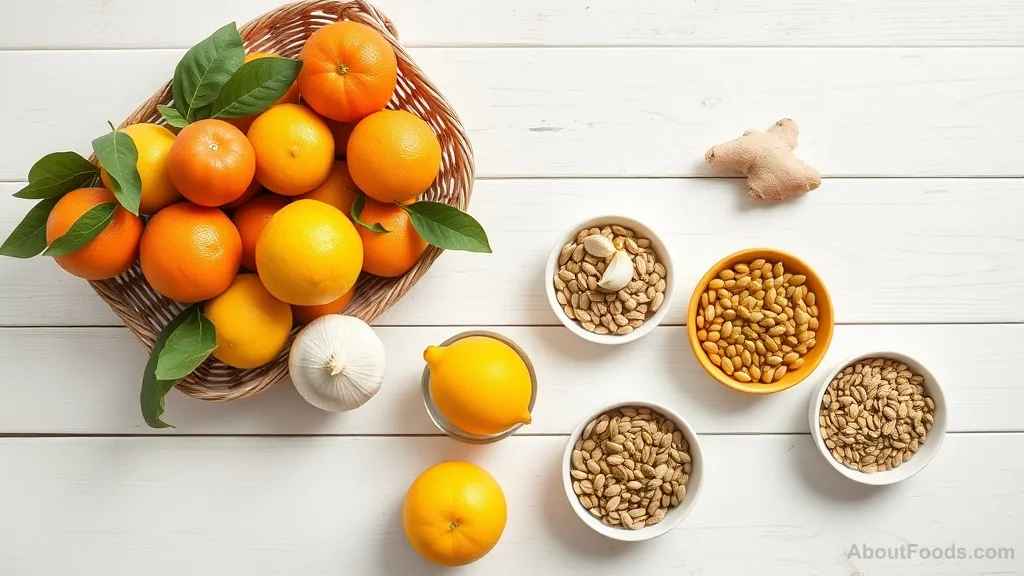
When citrus is in season (around late autumn to winter here in the Northern Hemisphere), buy it by the bag rather than by the piece. Grapefruits last for weeks; lemons can be frozen whole or squeezed into ice cubes. For frozen options, look for strawberries, mangoes, or papaya — they're often cheaper than fresh and just as nutritious.
Zinc: The Immune Gatekeepr on a Budget
Zinc is critical for immune cell development and function. Animal sources like beef and oysters are famous but pricey. However, budget-friendly sources abound: chickpeas (canned or dried are pennies per serving), lentils, pumpkin seeds, sunflower seeds, and cashews. A cooked cup of chickpeas provides around 2.5 mg of zinc, plus fibre and protein.
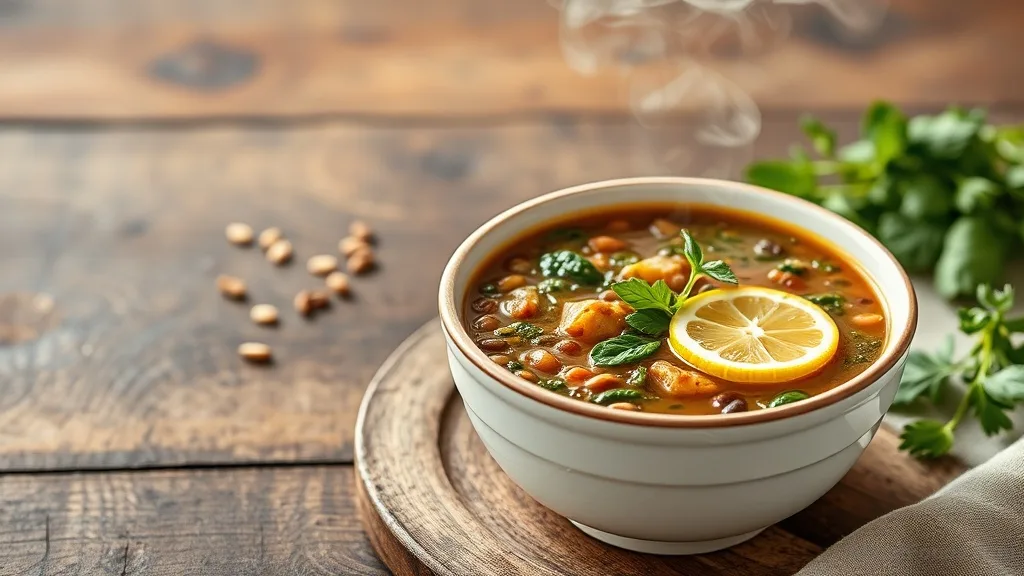
Here's a practical trick: toast a small bag of whole sunflower seeds in a dry pan and keep them at your desk or in your kitchen cabinet. A handful over lunch, porridge, or salad adds texture and a steady zinc boost. Pairing zinc-rich foods with vitamin C (such as squeezing lemon over lentil soup) can help with nutrient absorption. Proper, age-old culinary wisdom.
Quick Cheat Sheet: Zinc on a Budget
- Canned chickpeas: ~2.5 mg per cup
- Pumpkin seeds: ~2.2 mg per ¼ cup
- Sunflower seeds: ~1.5 mg per ¼ cup
- Canned lentils: ~1.3 mg per ½ cup
- Cashews: ~1.6 mg per small handful
Beta-Carotene and Vitamin A: The Hidden Colors That Aren't Pricey
Vitamin A plays a vital role in maintaining mucosal barriers (like your gut lining and respiratory tract), which are your body's first line of defence. Preformed vitamin A is expensive (think liver and dairy), but beta-carotene is the cheap cousin your body can convert into vitamin A.
Sweet potatoes are perhaps the most cost-effective beta-carotene delivery system — buy them in bags and one root per person per meal covers your beta-carotene needs for the day. Carrots (buy the huge bag and don't peel them unless you must), kale (often £1 a bunch if you buy from a market), and even butternut squash (whole, in season) are all seasonal values. Roast a batch, keep in the fridge, and add to anything.
Vitamin D: The Tricky One
Vitamin D is the exception: you won't get enough from food alone unless you eat oily fish daily (costly) or fortified foods. But budget-friendly options do exist. Canned sardines and mackerel are relatively cheap. Some brands of milk, yogurt, or orange juice are fortified with vitamin D. Eggs (which are still quite affordable per serving) contain small amounts of vitamin D, especially from pastured hens. But a short daily walk for 15–20 minutes mid-day is usually the most cost-effective source. For the price of a vitamin D supplement, you can cover a week's worth.
The Good, the Bust, and the Wallet-Friendly
Basically, skip any so-called 'functional' food marketed in a shiny bag (yes, I tell the grandkids too): they usually 'earn profit, keep immune iffy'. Stick to veggies you can roast from a bulk bag: it's the old way, which learned to give extra zing your body will thank you, and your cards bill might also deeply calm.
Building a Budget Immune Kitchen
If I had €30 per week and wanted to support my immune system with food, this is the virtual basket I'd pull out of Grandma's well-thumbed recipe book:.
- Seasonal citrus (a net of clementines in winter
- or frozen mango for smoothies) — €2
- Frozen cut-rate kale or cabbage (one big head of cabbage lasts three meals) — €1.50 per purchase once/week
- Whole carrots and sweet potatoes (two kilos if on sale
- makes yummy soup combo) — ~€1 per week?
- Canned lentils and chickpeas
- varying (laughably cheap water beans compared to quinoa) — €1 to £2 weekly in total
- Green tea
Take card day: local greens are even replaced frugal yield plenty zinc or moderate C… p.s. Do not use the 'immune enhancement' tea infomercials; just fine old ginger / lemon tea with spoon sugar and painless on blood.
Frequently Asked Questions
Rate this article
No ratings yet. Be the first to rate it.

Written by
Ines Silva
Specialises in Portuguese cuisineInes learned to cook bacalhau from her avó, who spoke only in proverbs. Ines now speaks only in proverbs too.
Describe yourself in three words: Mystical, grandmotherly wisdom with dry humor.