Weight Management
How to Eat for Better Weight Management Without Overthinking It
Practical, no-stress strategies for managing weight through food choices—no complicated rules, just simple shifts that fit into real life.
Why Weight Management Feels Harder Than It Needs To
I get it. Between conflicting advice, trendy diets, and the sheer noise of it all, wanting to manage your weight can feel like you need a PhD in nutrition. But here’s the thing: your grandmother, in her war-torn French kitchen with no internet, knew how to feed you well without ever counting a calorie. She used her hands, her eyes, and a handful of common sense. That’s what we’re bringing back today. No spreadsheets, no shame, no mental gymnastics—just real food strategies that work with your life, not against it.
The Foundation: Whole Foods Over Anything Processed
If you only ever remember one thing from this article, let it be this: your body knows what to do with a potato; it’s less sure about a potato-chip. Whole foods—vegetables, fruits, lean proteins, whole grains, legumes, nuts, seeds—come with built-in portion control because they’re full of water, fiber, and nutrients that signal fullness. Processed foods are engineered to bypass those signals. So the simplest shift you can make is to, whenever possible, choose the ingredient your great-aunt would recognize as food. It’s not about being perfect—it’s about tipping the balance in your favor, meal by meal.
The Plate Method: No Counting, Just Looking
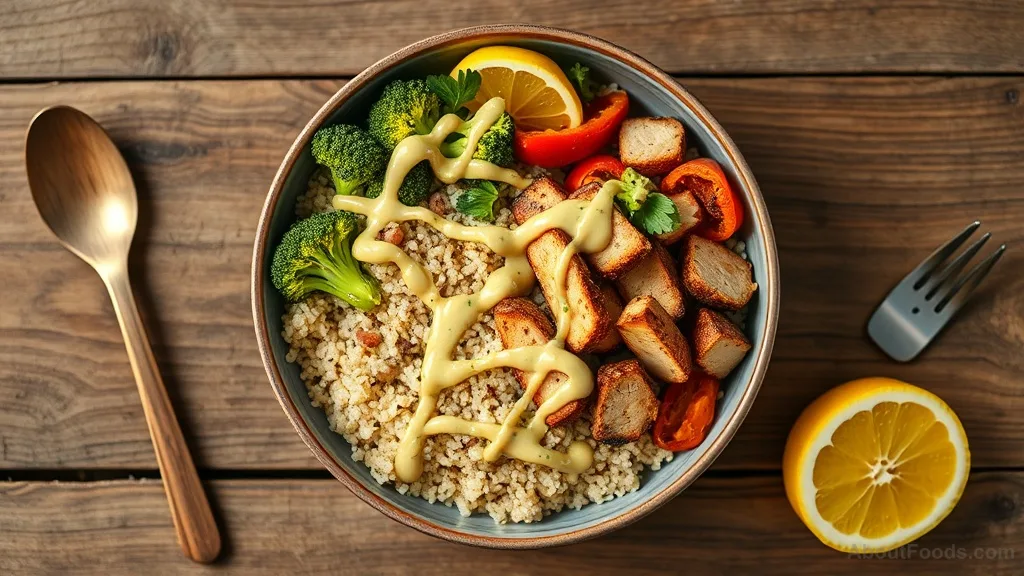
One of my favorite no-think tools is the plate method, and it’s as straightforward as it sounds. Visualize your plate divided into three sections: half for non-starchy vegetables (think greens, broccoli, peppers, mushrooms), a quarter for lean protein (chicken, fish, tofu, eggs), and a quarter for complex carbs (quinoa, sweet potato, brown rice, beans). That’s it. No weighing, no measuring—you just look at your plate. The vegetable half fills you up, the protein keeps you satisfied, and the carbs give you lasting energy. Use this for lunch and dinner, and you’ll see how naturally portions adjust.
Protein: Your Reliable Friend at Every Meal
Protein does a lot of quiet work: it repairs tissues, quiets hunger hormones, and gives your metabolism a little nudge through something called the thermic effect of food (your body burns calories just digesting it). Aim to include a palm-sized portion of protein at each meal—think two eggs at breakfast, a palm of salmon at lunch, a block of tofu at dinner. It doesn’t have to be complicated: a can of chickpeas in your salad, a dollop of Greek yogurt on your oatmeal, a handful of nuts with your afternoon fruit. Protein is the lever that most of us forget to pull.
The Power of Volume: Eat More, Weigh Less
Here’s a paradox I love: you can actually eat a larger volume of food and still manage your weight, as long as that volume comes from water-rich, fiber-rich foods. A giant bowl of sautéed greens or a crunchy salad with tomatoes and cucumbers takes up so much space in your stomach that you feel full on very few calories. Meanwhile, a tiny handful of cheese (calorie-dense) won’t quiet your hunger at all. So when you’re hungry, go big on vegetables and soups. Start meals with a salad or a broth-based soup, and you’ll naturally eat less of the calorie-dense stuff later. It’s a trick your body thanks you for.
Listen to Your Belly, Not the Clock (or the Algorithm)
We’ve been told so often to eat at specific times, follow rigid schedules, and never eat after 8 p.m. that many of us have forgotten to listen to our own hunger and fullness cues. Your body is actually quite good at telling you when it needs fuel and when it’s had enough—if you give it a chance. Start tuning in: before you reach for a snack, ask yourself if you’re hungry or just bored, tired, or stressed. When you eat, try to slow down a little. Put your fork down between bites, enjoy the textures and flavors. You’ll find that after a few minutes, the natural signal of “I’m satisfied” comes through more clearly. No app needed.
Snacks That Help, Not Hinder
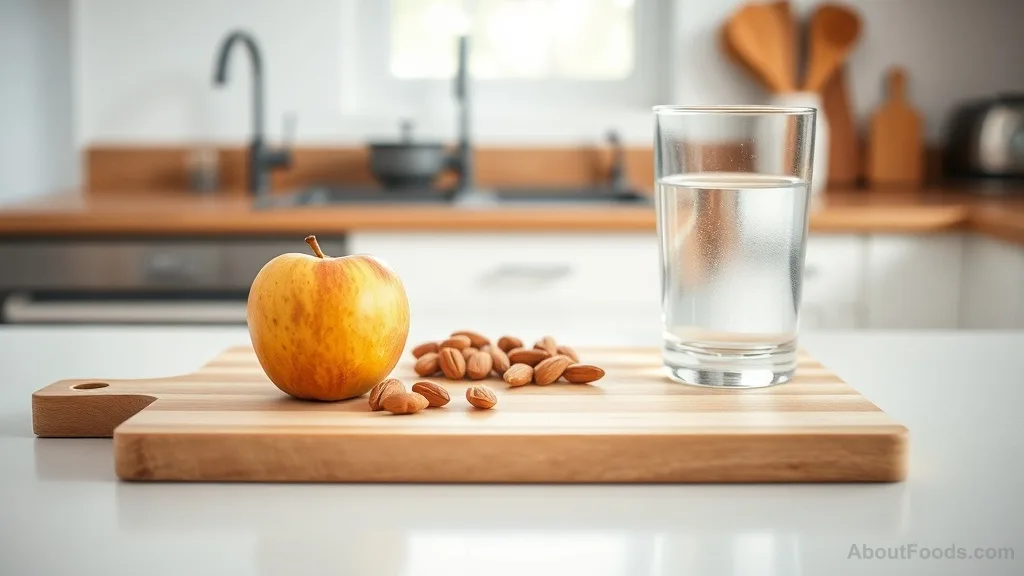
Snacking isn’t the enemy—mindless snacking on empty calories is. The trick is to treat snacks like mini-meals: pair a protein or healthy fat with something from the fiber family. An apple with almond butter, a handful of carrots with hummus, Greek yogurt with berries, a spread of avocado on rye crackers. This combination keeps your blood sugar stable and energy level, so you don’t crash and reach for a sugary treat later. Prepare a few of these combos when you have a moment, so when hunger strikes, you’ve got something noble waiting for you, not just the insidious chip bag.
Hydration: The Invisible Weight-Management Tool
Thirst is notorious for masquerading as hunger. Many of us reach for a snack when what we actually need is a big glass of water. Before you eat, especially between meals, try drinking a glass of water and waiting ten minutes. You might find your hunger fades. Also, water-rich foods—like cucumbers, melons, tomatoes, and berries—contribute to your hydration and fullness. Carry a reusable water bottle, sip throughout the day, and let your body’s fluid needs be met. It’s a zero-effort adjustment that pays real dividends.
The One-Week Simple Shift Meal Plan
Take this as a starting point—swap in what you have, what you love, what’s in season. The pattern is what matters: protein + fiber + color at each meal. Repeat and remix.
What About Dining Out and Social Eating?
Perfection in a restaurant is a myth. Instead, aim for a few gentle wins: order a vegetable-based starter or ask for dressing on the side; look for grilled, baked, or steamed keywords on the menu; fill half your plate with the veggie side before touching the starch. And here’s the most important thing—enjoy your company and the experience. One indulgent meal won’t undo your efforts, just like one salad won’t instantly transform you. Weight management is what you do most of the time, not some of the time.
Your No-Nonsense Cheat Sheet
Do I need to count calories or track macros?
Not at all. The strategies in this article are designed to work without any tracking. Your body has its own wisdom—these methods help you tune into it.
What if I'm always hungry?
Make sure you're getting enough protein and fiber. Also check your hydration and sleep—both affect hunger. If hunger persists, consider if you're not eating enough at meals.
Can I ever eat carbs?
Absolutely. Complex carbs like whole grains, fruit, and legumes are essential for energy and nutrients. The trick is to pair them with protein and vegetables to keep blood sugar steady.
Is it okay to snack at night?
If you're genuinely hungry, a light snack like a small yogurt or a piece of fruit is fine. Just avoid eating in front of screens—it's easy to overdo it.
Rate this article
No ratings yet. Be the first to rate it.

Written by
Claire Dubois
Specialises in French cuisineClaire is a former lawyer who now bakes croissants at 4am. She says pastry saved her soul and ruined her sleep schedule.
Describe yourself in three words: Tired but joyful, buttery hands.