Immune Support
Building Everyday Meals Around the Best Foods for Immune Support
Discover how to incorporate immune-supporting foods into your daily meals without complicated recipes. This guide focuses on practical, delicious combinations that fit into busy schedules.
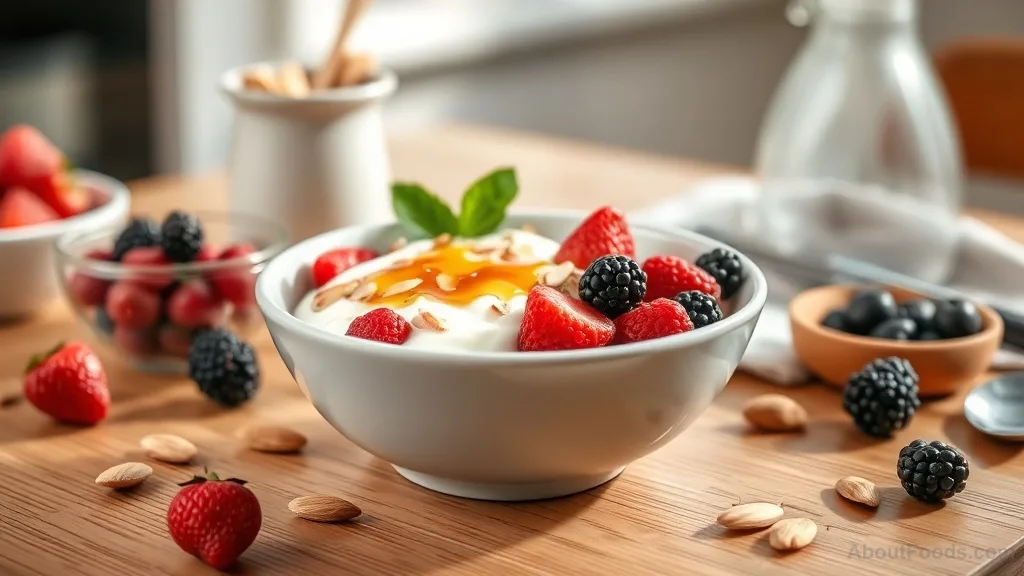
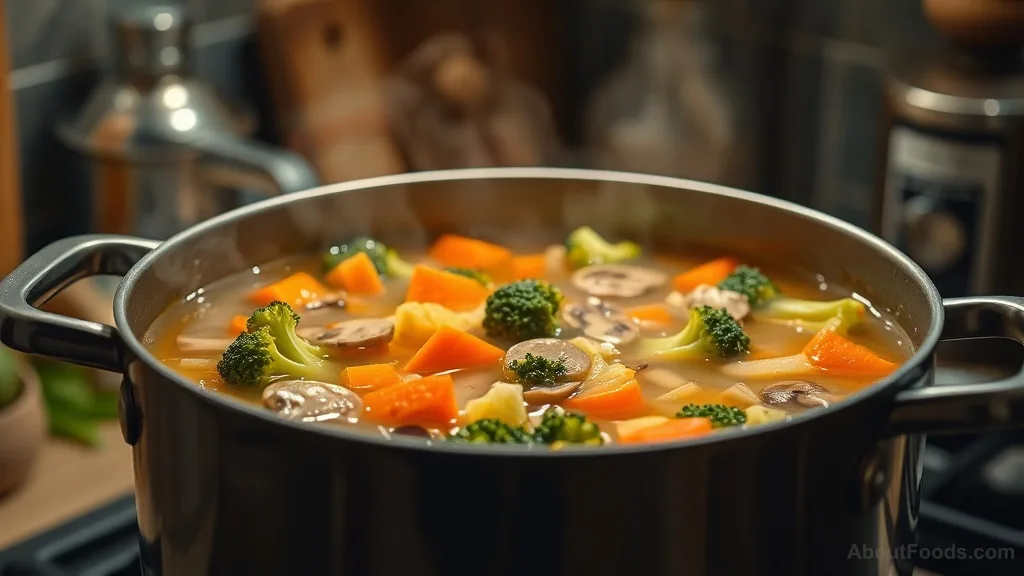
Building Everyday Meals Around Immune-Supporting Foods
It's 2 AM in my kitchen—the time when my nocturnal brain feels most alive—and I'm thinking about how we can make immune support as natural as breathing. Not with complicated supplements or restrictive diets, but with the simple, beautiful foods that have sustained generations in my Nepalese homeland. The secret isn't in extraordinary ingredients, but in how we weave ordinary, powerful foods into our daily meals.
In Nepal, we don't think about 'immune-boosting' as a separate category—it's woven into how we eat every day. A pinch of turmeric in the lentils, fresh ginger in the tea, garlic sizzling in the pan before anything else. This guide will help you build that same intuitive approach into your meals, focusing on practical combinations that work for busy lives.
Why Everyday Approach Matters More Than Occasional 'Superfoods'
The biggest mistake I see people making? Treating immune support as something you add occasionally, like taking vitamins only when you feel run down. True nourishment comes from consistency—from building meals around foods that naturally support your body's defenses day after day.
- Consistent nutrient intake supports ongoing immune function
- Variety prevents nutrient gaps and provides different protective compounds
- Familiar foods in regular rotation are more sustainable than exotic supplements
- Whole foods work together—their nutrients often enhance each other's effects
Think of it like tending a garden daily rather than flooding it once a month. Small, regular care yields better results than occasional dramatic efforts.
The Foundation: Foods to Build Your Meals Around
These aren't magical cure-alls, but rather the reliable workhorses of immune support. I've organized them by how you might use them in actual meals.
| Food Category | Key Examples | How to Use Daily |
|---|---|---|
| Aromatic Roots | Garlic, ginger, turmeric | Start soups/stir-fries with minced garlic; add ginger to tea/smoothies; use turmeric in rice/curries |
| Colorful Vegetables | Bell peppers, broccoli, spinach, mushrooms | Add to omelets, salads, stir-fries; roast as sides; blend into sauces |
| Citrus & Berries | Oranges, lemons, blueberries, strawberries | Squeeze lemon on vegetables/fish; add berries to yogurt/oats; citrus segments in salads |
| Fermented Foods | Yogurt, kefir, kimchi | Yogurt with breakfast; kimchi as side with lunch/dinner; kefir in smoothies |
| Nuts & Seeds | Almonds, walnuts, pumpkin seeds, sunflower seeds | Sprinkle on salads/yogurt; add to trail mix; use as crunchy topping for dishes |
Notice how these aren't exotic or expensive? That's intentional. The most powerful foods are often the most accessible.
Building Your Daily Meal Framework
Here's where we get practical. Instead of giving you rigid recipes, I'll show you how to build meals using what you likely already have. This framework works whether you're cooking for one or a family.
This isn't about perfection—it's about direction. If you hit three of these four categories daily, you're doing wonderfully.
Common Mistakes and How to Avoid Them
In my late-night kitchen experiments (and observations of how people actually cook), I've noticed patterns that undermine good intentions.
Simple Meal Combinations That Actually Get Made
Theory is nice, but what actually happens in real kitchens? Here are combinations so simple you'll actually make them on busy weeknights.
- **15-Minute Immunity Bowl**: Cooked quinoa + canned chickpeas + chopped bell peppers + spinach + lemon-tahini dressing with garlic
- **Lazy Night Soup**: Store-bought broth + frozen mixed vegetables + fresh ginger + turmeric + canned white beans + kale added at the end
- **No-Cook Lunch**: Whole grain wrap with hummus + sliced cucumbers + shredded carrots + sprouts + pumpkin seeds
- **Breakfast-for-Dinner**: Omelet with mushrooms + spinach + side of kimchi + whole grain toast
- **Smoothie That Actually Fills You**: Greek yogurt + frozen berries + handful of spinach + tablespoon of ground flaxseed + water/ice
See the pattern? Each combines multiple immune-supporting foods in ways that require minimal effort but deliver maximum nourishment.
Adapting for Different Diets and Preferences
Good nutrition shouldn't require becoming someone you're not. Here's how this approach works across different eating patterns.
| Diet Type | Adaptation Tips | Key Immune-Support Foods to Focus On |
|---|---|---|
| Vegetarian/Vegan | Emphasize variety of plant proteins | Lentils, chickpeas, tofu, nuts, seeds, mushrooms, fermented soy |
| Dairy-Free | Find alternative fermented foods | Kimchi, sauerkraut, coconut yogurt, kombucha, tempeh |
| Gluten-Free | Focus on naturally GF whole foods | Quinoa, rice, buckwheat, all vegetables/fruits, nuts, seeds, legumes |
| Time-Pressed | Batch cook aromatics, use frozen produce | Frozen berries/vegetables, pre-chopped garlic/ginger, canned beans |
The core principle remains: include a variety of colorful plants, fermented foods when possible, and those wonderful aromatic roots.
Frequently Asked Questions
Do I need to eat all these foods every single day?
No—that's the beauty of an everyday approach. Aim for variety across the week rather than perfection every day. If you include most categories most days, you're building a solid foundation.
What about supplements? Should I take vitamin C or zinc?
This guide focuses on food-first nutrition. Whole foods provide nutrients in balanced forms with complementary compounds. While some people may benefit from supplements under guidance, building meals around nutrient-rich foods should be your foundation.
How long until I notice a difference?
Unlike medications, food works gradually by supporting your body's natural processes. Consistency matters more than immediate effects. Many people notice improved energy and fewer minor issues within a few weeks of consistent eating patterns.
Are organic versions necessary?
What matters most is eating vegetables—period. If organic fits your budget, great. If not, conventionally grown vegetables still provide excellent nutrition. Just wash them well.
Can I still enjoy my favorite foods?
Absolutely! This isn't about restriction. Think 'addition' rather than subtraction. Add a side salad with dinner, berries to your breakfast, or garlic to your pasta sauce. Small additions create big nutritional impacts over time.
The Night Kitchen Wisdom
As the sky begins to lighten and my nocturnal cooking time winds down, I'm reminded of what my grandmother in Nepal taught me: Nourishment isn't about individual 'superfoods' or dramatic changes. It's the quiet accumulation of small, wise choices—the garlic sizzling at the start of a stir-fry, the berries added to morning oats, the handful of spinach wilted into soup.
Start with one meal tomorrow. Maybe add ginger to your tea, or include two different colored vegetables with dinner. These small acts, repeated daily, create a foundation of nourishment that supports your body's natural resilience. The kitchen, even at 2 AM, becomes a place of gentle, powerful care.
Rate this article
No ratings yet. Be the first to rate it.

Written by
Nabin Gurung
Specialises in Nepalese cuisineNabin makes momos at 3am when he can't sleep. His chili oil is classified as a controlled substance by his roommates.
Describe yourself in three words: Sleepy but brilliant, lives nocturnally.