Gut Health
Everyday Meals Built Around the Best Foods for Gut Health
Learn how to build everyday meals with prebiotic-rich, fermented, and fiber-packed ingredients that support your gut microbiome. Diego Garcia shares simple, flavorful recipes and tips from a Mexican culinary perspective.
Why Your Gut Deserves Better Meals
Look, I’m not here to sell you on the latest gut health miracle. As a Mexican cook who grew up watching my abuela make tortillas from scratch, I know that real food—simple, honest, and full of flavor—is what keeps our bodies humming. The best foods for gut health aren’t exotic or expensive. They’re the ingredients your grandmother would recognize: beans, garlic, onions, fermented things, and a little bit of heat. In this guide, I’ll show you how to build everyday meals around these foods, without turning your kitchen into a science lab.
The Core Ingredients for a Healthy Gut
Before we start cooking, let’s get one thing straight: gut health is about diversity. You want to feed the good bacteria in your gut with fiber (prebiotics) and add living cultures (probiotics). Here are the three pillars you’ll build every meal on.
Breakfast: A Gut-Friendly Start
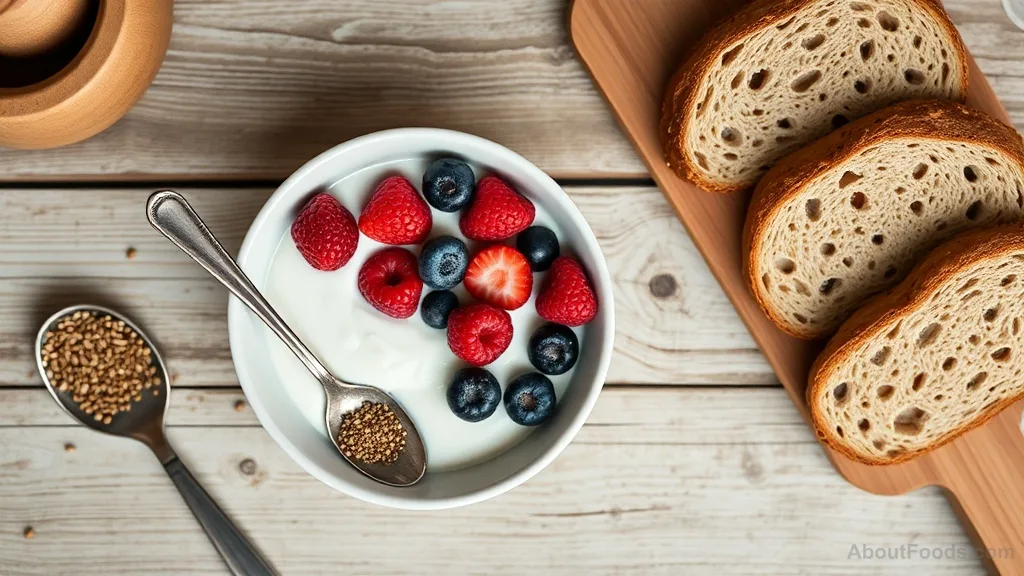
I like to start my mornings with something that’s both satisfying and friendly to my gut. My go-to is a bowl of yogurt (look for live cultures) with berries, a sliced banana, and a tablespoon of ground flaxseed. The yogurt brings probiotics, the berries and banana feed your bacteria with prebiotic fiber, and flax adds extra fiber and omega-3s. If you’re feeling adventurous, add a drizzle of honey—it also has prebiotic properties. Pair it with a slice of sourdough or whole grain toast, and you’re golden.
Lunch: The Power Bowl
For lunch, think of a bowl that’s part salad, part Mexican soul food. Start with a base of leafy greens (more fiber), then add cooked lentils or black beans (prebiotic gold), a handful of cherry tomatoes, diced avocado, and a scoop of fermented vegetables like sauerkraut or curtido (a Latin American fermented slaw). Top with a dollop of yogurt or a splash of kefir dressing. This meal is quick, portable, and bursting with flavors that support your digestive system.
One mistake people make is dousing everything in vinegar or lemon juice. That’s fine, but if you also include fermented foods, their live cultures are fragile. Heat kills them, so add ferments after you’ve cooked or assembled your bowl. Likewise, avoid pairing your fermented veggies with a scalding hot soup—let it cool a bit first.
Dinner: Black Bean Soup with All the Fixings
This is my favorite: a humble black bean soup that’s a celebration of gut-loving ingredients. Start with dried black beans, soak them overnight, then cook with onion, garlic, and a piece of kombu (seaweed) to help digestion. After the beans are tender, season with cumin, oregano, and a pinch of chili. Serve with diced avocado, cilantro, and a side of yogurt or a fermented salsa like salsa macha. Each spoonful is packed with prebiotic fiber from beans and onion, plus probiotics from the garnish.
Pro tip: Don’t overcook your beans to mush—they release more resistant starch when firm, which is even better for your gut. And if you soak them long enough, they’ll be tender without needing hours on the stove.
Snacks and Ferments for Every Day
Snacking is an opportunity to sneak in more fermented and fiber-rich foods. Try a handful of almonds with a piece of kefir cheese (yes, it’s a thing), or sliced apple with peanut butter and a sprinkle of chia seeds. For a savory hit, make a quick no-cook kimchi or pickled jalapeños at home—they stay crunchy and keep your gut happy.
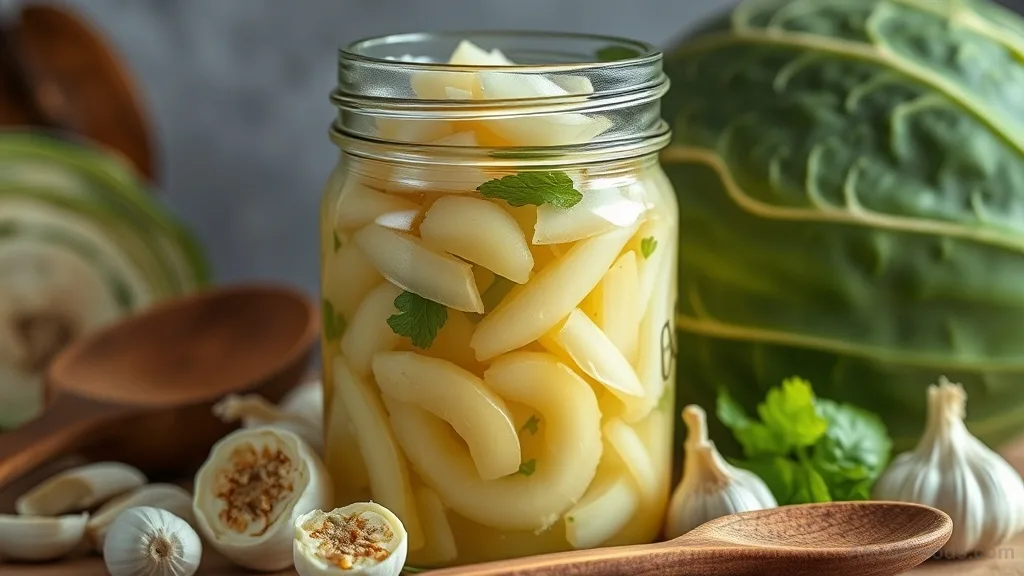
Remember: the key to fermentation is patience. But once you master a basic ferment, you’ll never go back to store-bought. Start with a simple cabbage sauerkraut: slice, salt, pack in a jar, wait a week, and you have a living probiotic garnish for tacos, soups, and salads.
Common Mistakes to Avoid
Quick Reference: Best Gut Foods to Keep On Hand
Frequently Asked Questions
Is yogurt good for gut health?
Yes, if it contains live and active cultures. Look for plain, unsweetened Greek yogurt or other fermented dairy.
Can I get enough probiotics from food alone?
Absolutely. A varied diet including yogurt, kefir, sauerkraut, kimchi, and miso provides plenty.
Should I avoid all sugar for gut health?
Refined sugar in excess can be harmful, but natural sugars from fruit also feed beneficial bacteria in moderation.
What's the easiest fermented food to make at home?
Sauerkraut: just cabbage and salt. It's forgiving and ready in about a week.
Rate this article
No ratings yet. Be the first to rate it.

Written by
Diego Garcia
Specialises in Mexican cuisineDiego is a taquero who uses a secret salsa roja that involves dried chiles he grows himself. He is a local legend.
Describe yourself in three words: Mysterious, proud, spicy.