Heart Health
Everyday Meals Built Around the Best Foods for Heart Health
Build heart-healthy meals using everyday ingredients like oats, salmon, leafy greens, and berries. This guide explains how to combine these foods for maximum benefit without fuss.
Why Everyday Heart-Healthy Meals Matter
Caring for your heart doesn't require elaborate recipes or exotic ingredients. In fact, the most powerful foods are often the simplest: oats, salmon, leafy greens, berries, and a good olive oil. These ingredients, used in daily cooking, form the foundation of a diet that supports cardiovascular wellness. This guide shows you how to combine them into satisfying meals that fit any schedule.
The Core Heart-Healthy Foods
These are the foods that consistently appear in research on heart health. They work through different mechanisms—some are anti-inflammatory, others help manage cholesterol or blood pressure. But they all share one thing: they are easy to incorporate into daily meals.
Notice that none of these are rare or expensive if sourced seasonally. The art is in combining them so that each meal includes at least two or three.
Breakfast: Oatmeal with Berries and Almonds
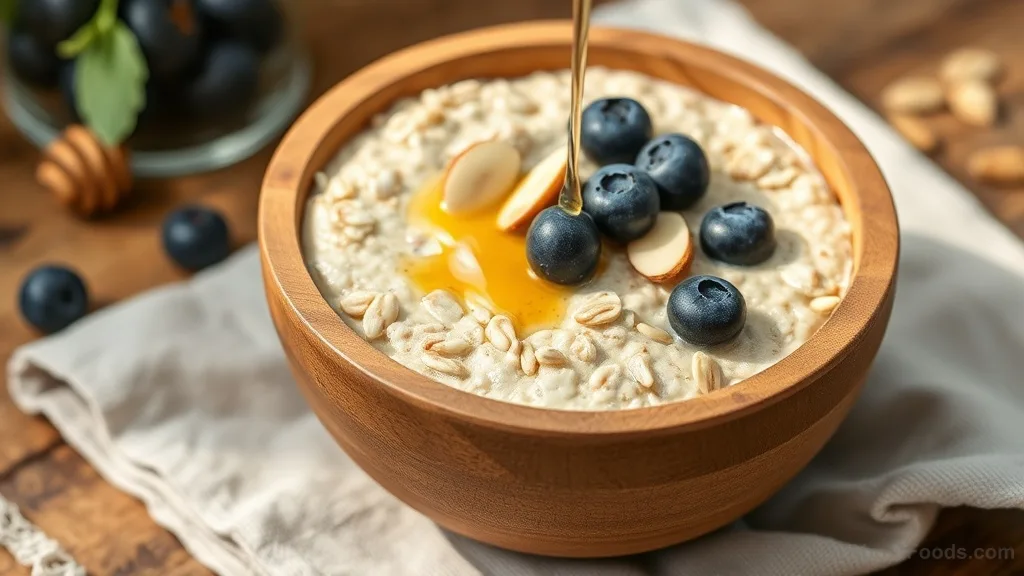
Start the day with a bowl of oats cooked in water or milk. Top with a generous handful of fresh or frozen blueberries and a tablespoon of slivered almonds. A drizzle of honey if you like. This meal delivers soluble fiber, antioxidants, and healthy fats. Prep the night before by soaking oats in milk or yogurt for a creamy, no-cook version.
- Use rolled or steel-cut oats for more fiber.
- Avoid added sugar
- sweeten with mashed banana or a little honey.
- Add a sprinkle of cinnamon for extra anti-inflammatory benefits.
Lunch: Salmon and Kale Salad with Quinoa
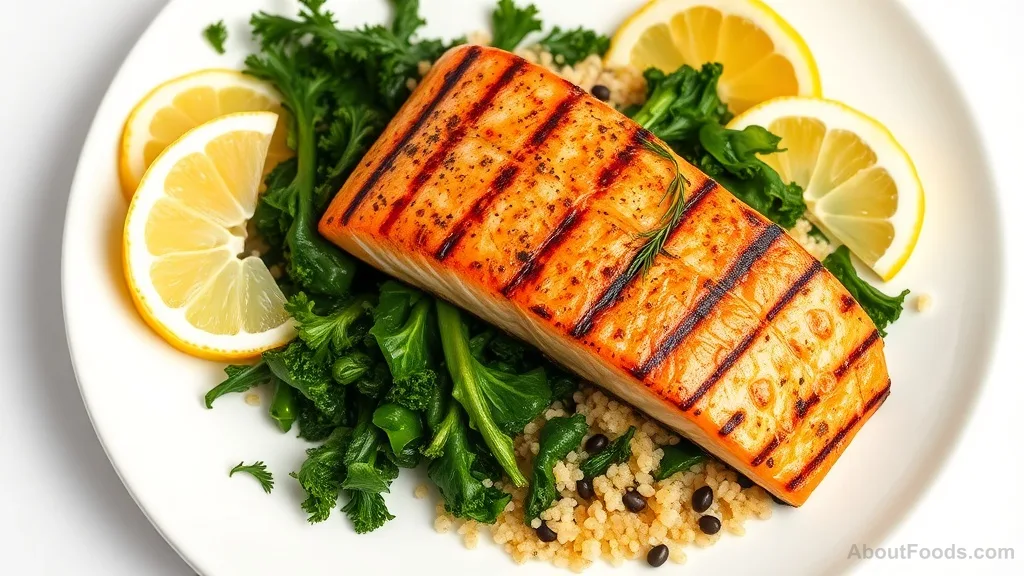
This salad is a complete meal. You can make a batch of quinoa at the start of the week. For each serving, combine a handful of massaged kale (ribs removed, torn into pieces) with cooked quinoa, flaked grilled salmon, a few cherry tomatoes, and sliced avocado. Dress with lemon juice, olive oil, salt, and pepper. The combination of omega-3s, fiber, and potassium supports both heart and muscle function.
Dinner: Grilled Chicken with Roasted Vegetables and Avocado
If you're not a fish eater, lean poultry can still be part of a heart-healthy plate. Season a chicken breast with herbs and grill until just cooked. Roast a tray of colorful vegetables—brussels sprouts, bell peppers, sweet potatoes—in olive oil until caramelized. Slice half an avocado on the side. The vegetables provide fiber and antioxidants; avocado adds potassium and healthy fats. Remember: portion control matters. A serving of chicken is about the size of your palm.
Snacks and Desserts
Keep it simple: an apple with a handful of almonds, plain yogurt with berries, or a square of dark chocolate. These provide fiber, healthy fats, and polyphenols without added sugar. Avoid the trap of 'low-fat' processed snacks that often contain more sugar and refined grains.
Frequently Asked Questions
Heart health is not about perfection but about consistent choices. By building your meals around these core foods, you create a rhythm that supports your body quietly, day after day. No need for complexity. Just good food, simply prepared.
Rate this article
No ratings yet. Be the first to rate it.

Written by
Ren Tanaka
Specialises in Japanese cuisineRen is a quiet ramen master who sharpens his own knives and meditates before slicing negi. He doesn't own a microwave.
Describe yourself in three words: Minimalist, serene, occasionally cryptic.