Energy
Everyday Meals Built Around the Best Foods for Energy
Discover how to build simple, satisfying meals that keep your energy steady all day—using whole grains, healthy fats, lean proteins, and colorful produce. No gimmicks, just practical British food wisdom.
Why Food Matters for Energy
We’ve all felt that mid-afternoon slump—when your eyelids grow heavy and the kettle seems a world away. The cause is often what you ate (or didn’t eat) earlier. Instead of reaching for a sugary biscuit or a second coffee, why not build your meals around foods that release energy steadily? That’s what this guide is about: practical, everyday meals centred on the best foods for energy. No medical claims, just good sense and good eating.
The Foundations of Steady Energy
The secret lies in balancing three macronutrients: complex carbohydrates, lean proteins, and healthy fats. Complex carbs (like oats, quinoa, and sweet potatoes) break down slowly, providing a steady glucose supply. Protein slows digestion and helps maintain blood sugar stability. Fat adds satiety and supports nutrient absorption. Together, they form the basis of any good energy meal.
Breakfast: The Right Start
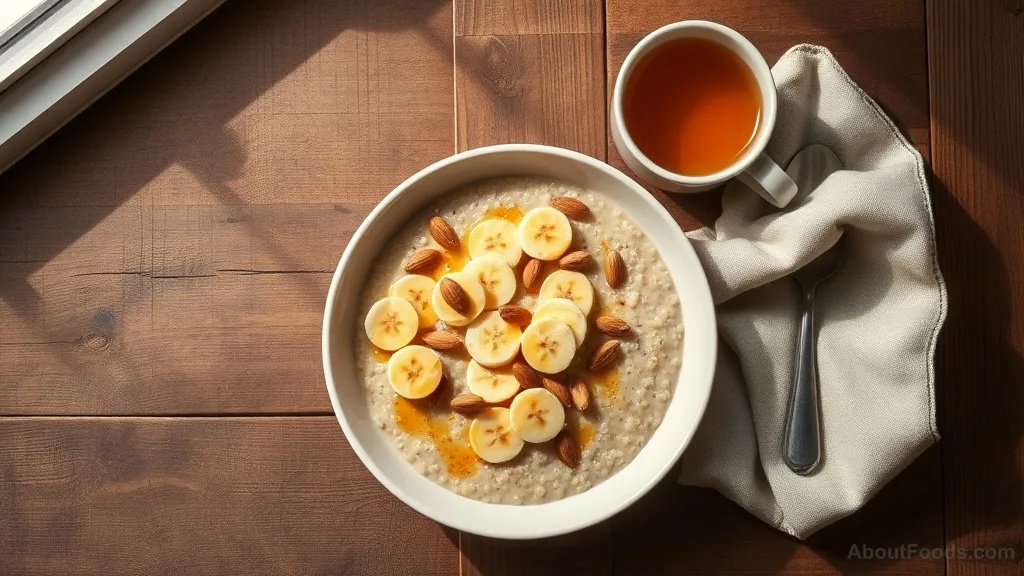
A proper breakfast sets the tone for the day. Skip the sugary cereals and white toast; instead, go for porridge oats with milk or water, topped with a sliced banana and a handful of almonds. The oats provide slow-release carbs, the banana gives natural sugars plus potassium, and almonds bring healthy fats and protein. If you prefer savoury, try scrambled eggs with wholemeal toast and a side of avocado.
Another solid option: a smoothie made with spinach, banana, Greek yoghurt, and a spoonful of almond butter. It’s quick, portable, and keeps you going until lunch.
Lunch: Refuel and Carry On
A midday slump is often due to a lunch too heavy in simple carbs or too light in protein. Aim for a balanced plate: a generous portion of protein (like grilled chicken, salmon, or chickpeas), a serving of complex carbs (quinoa, brown rice, or sweet potato), and plenty of vegetables.
One of my favourite combos is a quinoa bowl with roasted sweet potato, chickpeas, spinach, and a drizzle of tahini dressing. The quinoa and sweet potato give lasting energy, chickpeas add plant protein, and the tahini provides healthy fats. It’s simple, satisfying, and keeps you bright-eyed through the afternoon.
Dinner: Wind Down with the Right Fuel
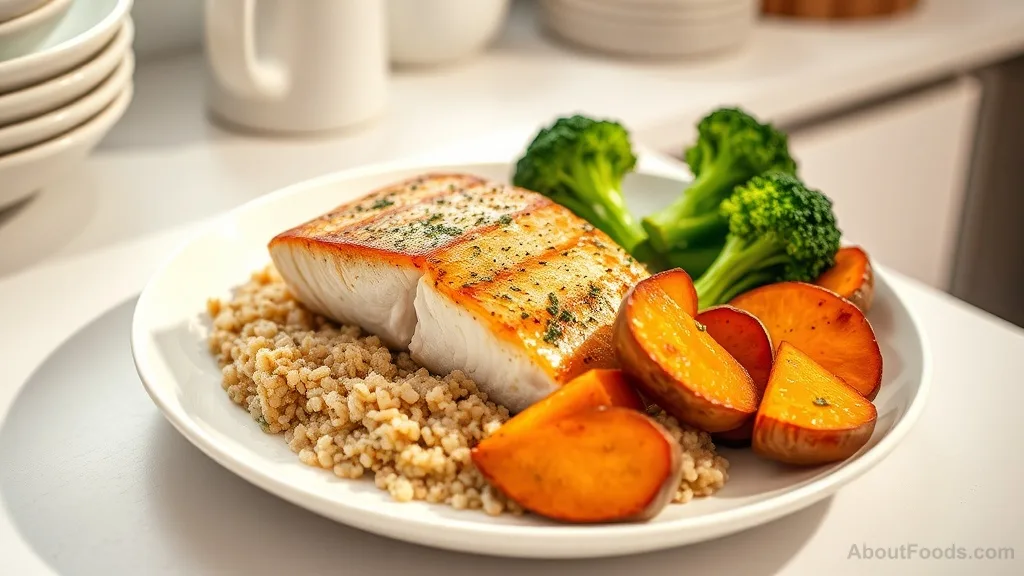
For dinner, think lighter but still nourishing. Avoid heavy, greasy meals that can disrupt sleep and leave you sluggish the next day. A lovely option is grilled salmon with a side of steamed greens and a small portion of brown rice. The omega-3s in salmon reduce inflammation (which can drain energy), and the protein supports overnight repair.
If you want something warming, a lentil and vegetable stew with a squeeze of lemon is just the ticket. Lentils are a star for energy: high in fibre and protein, low in fat, and packed with iron. Iron helps transport oxygen in the blood, which is critical for vitality. Pair with wholemeal bread for extra staying power.
Smart Snacks for In-Between
Snacks shouldn’t be an afterthought. When you’re flagging, the right bite can turn things around without a crash later. Here are a few go-tos:.
Notice what’s not on the list: sugary bars, flavoured yoghurts, or crisps. Those will spike your blood sugar and leave you lower than before.
Cheat Sheet: Energy-Boosting Meals at a Glance
Frequently Asked Questions
Can caffeine be part of an energy diet?
In moderation, yes. A morning cup of coffee can give a short-term lift. But don’t rely on it—especially after lunch, as it can interfere with sleep.
What about energy drinks?
Best avoided. They often contain high sugar and artificial stimulants, leading to crashes. Stick to whole foods for sustained energy.
Should I eat more small meals or three bigger ones?
It depends on your lifestyle. Some people prefer three well-balanced meals; others like smaller, more frequent meals. The key is consistency—avoid long gaps without eating.
Are dried fruits good for energy?
They’re convenient but high in sugar. Pair a small amount (like dried apricots) with a handful of nuts to slow digestion and prevent a sugar spike.
Rate this article
No ratings yet. Be the first to rate it.

Written by
Oliver Whitmore
Specialises in British cuisineOliver makes Sunday roast with Yorkshire puddings the size of your face. He says 'gravy is a beverage'.
Describe yourself in three words: Roasty, gravy boat, Yorkshire pride.