Gut Health
How to Eat for Better Gut Health Without Overthinking It
Support your gut with simple, delicious food choices—no complicated rules required. This guide covers the best foods for gut health, easy swaps, and practical tips.
Why Gut Health Matters (and Why You Don’t Need a PhD)
Your gut is home to trillions of bacteria that help digest food, produce vitamins, and support your immune system. When your gut microbiome is happy, you feel better overall. But eating for gut health doesn’t require a strict regimen or expensive supplements. It’s really about adding more of the good stuff—probiotics, prebiotics, and fiber—into your everyday meals. Let’s keep it simple.
The Dynamic Duo: Probiotics and Prebiotics
Probiotics are live beneficial bacteria found in fermented foods. Prebiotics are types of fiber that feed those bacteria. You need both. Think of probiotics as the seeds and prebiotics as the fertilizer. Here’s a quick breakdown:.
3 Simple Swaps for a Gut-Friendlier Diet
You don’t have to overhaul your entire kitchen. Start with these easy swaps:.
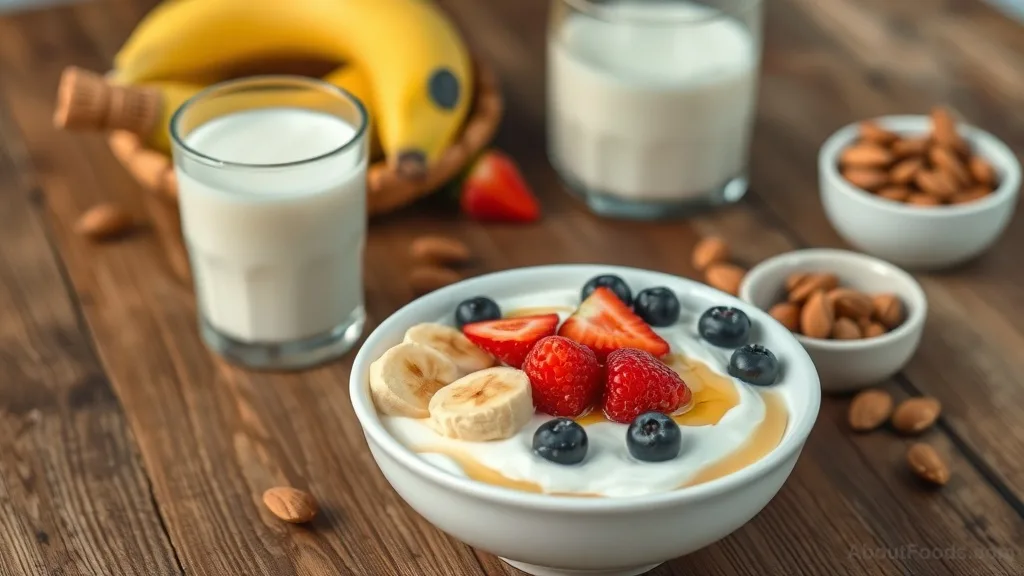
- Swap your morning cereal for a bowl of Greek yogurt with berries and a sprinkle of oats.
- Instead of a sugary snack
- try a handful of almonds and a banana.
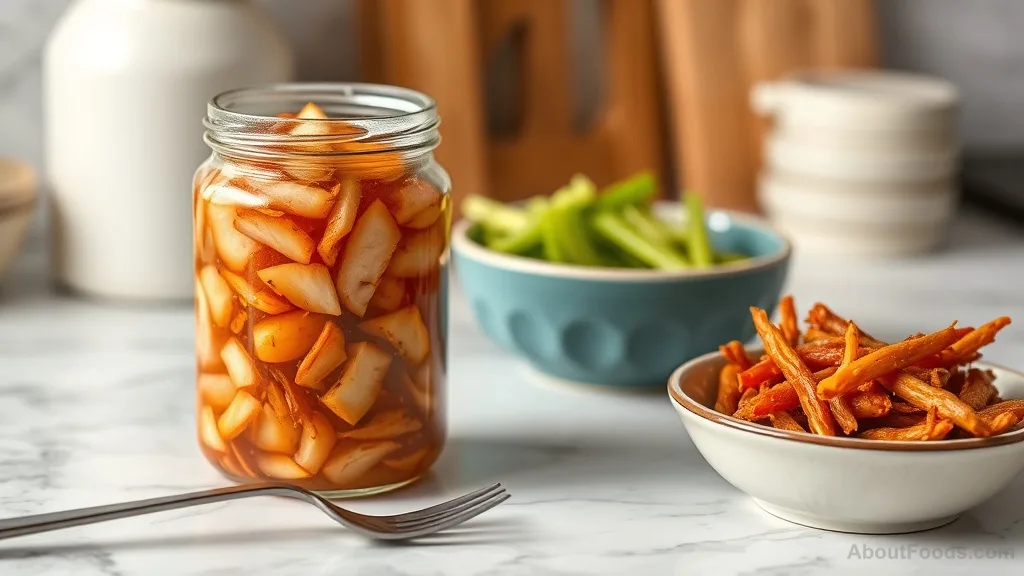
- Add a spoonful of sauerkraut or kimchi to your lunch bowl or sandwich.
What to Eat in a Day: A Gut-Friendly Menu
Here’s what a day of eating for gut health could look like—no stress, just delicious food.
Common Mistakes That Mess with Your Gut
- Overdoing artificial sweeteners—they can disrupt gut bacteria.
- Not eating enough fiber—aim for at least 25 grams per day.
- Relying only on probiotic supplements instead of whole foods.
- Eating too quickly—chewing thoroughly helps digestion.
Frequently Asked Questions
Do I need to take a probiotic supplement?
Not necessarily. Whole food sources like yogurt, kefir, and sauerkraut are great options. If you do choose a supplement, look for one with multiple strains and at least 1 billion CFUs.
How long does it take to improve gut health?
You may notice changes in digestion within a few days to a week, but lasting improvements typically take several weeks of consistent healthy eating.
Can I eat these foods if I'm lactose intolerant?
Yes! Many fermented foods like sauerkraut, kimchi, and kombucha are lactose-free. For yogurt and kefir, try lactose-free versions or coconut-based alternatives with live cultures.
The Takeaway
Better gut health doesn’t require a complicated plan. Start by adding one probiotic and one prebiotic food to your day. Keep it simple, listen to your body, and enjoy the process. Your gut will thank you.
Rate this article
No ratings yet. Be the first to rate it.

Written by
Chloe Hayes
Specialises in American cuisineChloe makes mac and cheese with a breadcrumb topping and a hint of nutmeg. She is a comfort food queen.
Describe yourself in three words: Cheesy, golden, nutmeg surprise.