Heart Health
How to Eat for Better Heart Health Without Overthinking It
Forget complicated diets and restrictive rules. Eating for heart health can be simple, delicious, and full of flavor. Here's how to make smart food choices that support your heart without driving you crazy.
Why Simplicity is Your Secret Weapon
Let me tell you a little secret from my kitchen: the best heart-healthy eating isn't about following complicated rules or counting every gram. It's about embracing delicious, whole foods that naturally support your cardiovascular system. Think of it like this—your heart doesn't need a spreadsheet, it needs good company at the dinner table.
Too many people get tangled in diet details—low-this, no-that, macro-that—until eating becomes a chore rather than a joy. But here's the bold truth: when you focus on quality ingredients and simple combinations, heart health often takes care of itself. My motto? More spice, less stress. Let's make this practical, not perfect.
The Heart-Happy Pantry: Your Foundation
Start with what's in your kitchen. You don't need exotic superfoods—just reliable staples that work hard for your heart. These are the ingredients that should have a permanent spot on your shelf.
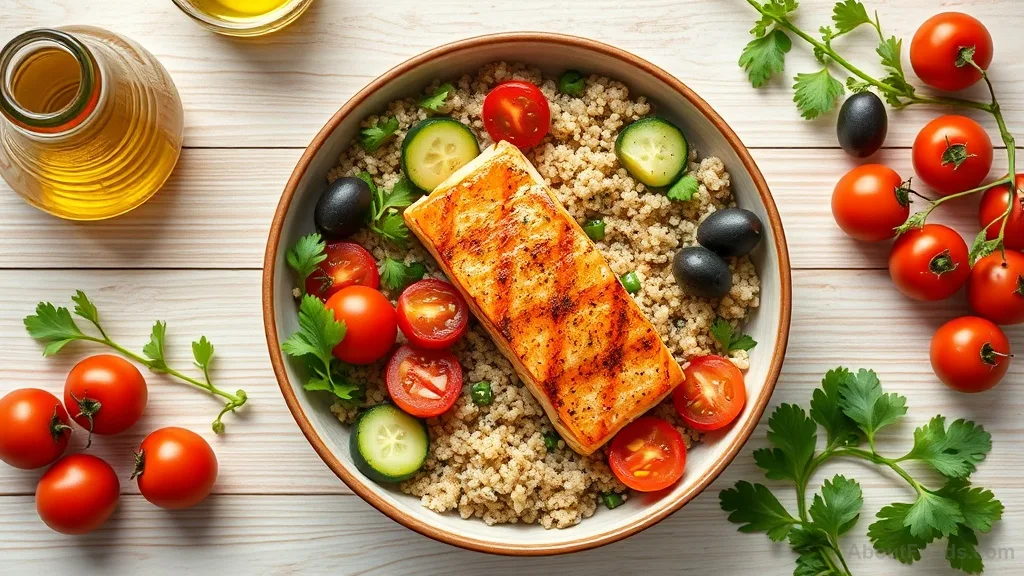
- **Fatty fish like salmon and sardines:** Packed with omega-3 fatty acids that help reduce inflammation. Aim for two servings per week—grilled
- baked
- or pan-seared with herbs.
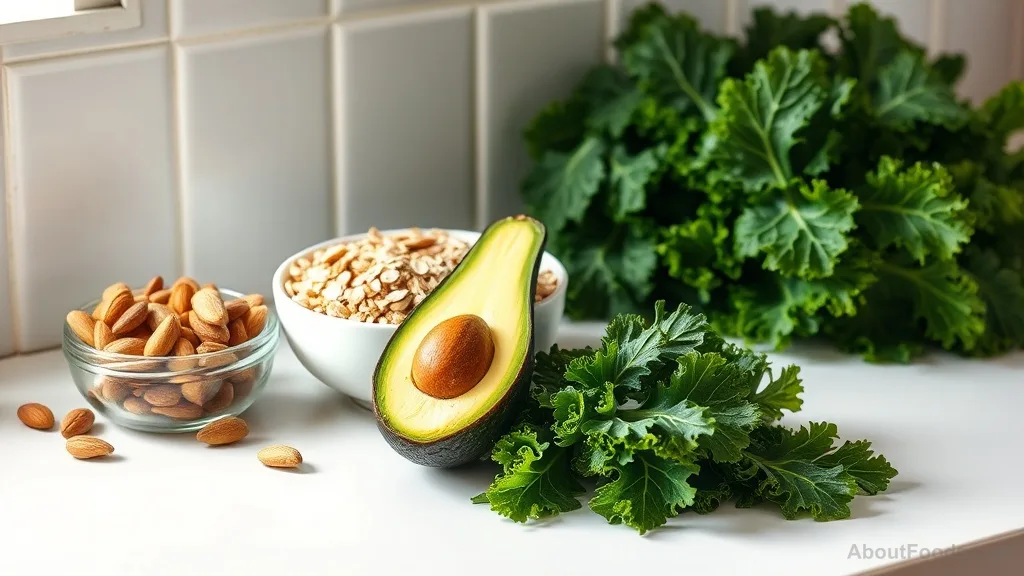
- **Nuts and seeds:** Walnuts
- almonds
- flaxseeds
- and chia seeds offer healthy fats
- fiber
Notice what's missing? Heavily processed foods, sugary drinks, and excessive salt. You don't need to eliminate them completely—just make them occasional guests rather than regular residents.
Simple Swaps That Make a Big Difference
You don't need to overhaul your entire diet overnight. Small, sustainable changes add up. Here are my favorite mischievous swaps that pack more heart-loving nutrition into your day.
The key is to experiment and find what you genuinely enjoy. If you hate kale chips, try roasted edamame. If olive oil isn't your thing, avocado makes a wonderful creamy alternative. Make it yours.
Building Heart-Smart Meals Without a Recipe
You don't need to follow intricate recipes to eat well. Use this flexible framework to create balanced, heart-healthy meals in minutes.
Example: A big salad with mixed greens, cherry tomatoes, grilled chicken, quinoa, and avocado slices, dressed with lemon and olive oil. Or roasted salmon with steamed broccoli and a small portion of brown rice. Simple, satisfying, and smart.
Common Pitfalls and How to Avoid Them
Even with good intentions, it's easy to stumble. Here's what to watch for—and how to stay on track without overthinking.
- **Overcomplicating meals:** You don't need five exotic ingredients. Stick with what's fresh and available locally.
- **Fear of all fats:** Healthy fats are essential. Include them mindfully—they help you feel full and absorb vitamins.
- **Skipping flavor:** Heart-healthy doesn't mean bland. Use herbs
- spices
- citrus
- and garlic generously. My kitchen is never without ginger
- turmeric
- and chili flakes.
Remember: this is about nourishment, not punishment. If you crave something indulgent, enjoy it in moderation—then return to your heart-happy habits at the next meal.
Quick Answers to Common Questions
Do I need to avoid all salt?
No—but be mindful. Most excess sodium comes from processed foods, not your salt shaker. Cook at home using fresh ingredients, and season with herbs and spices first. Your taste buds will adjust.
Can I still eat eggs?
Yes, in moderation. Eggs are a good source of protein and nutrients. Current research suggests that for most people, one egg per day is fine as part of a balanced diet. Pair them with vegetables for a heart-smart meal.
What about red meat?
Limit it to occasional servings. When you do have red meat, choose lean cuts and keep portions small (about 3 ounces). Balance it with plenty of vegetables and whole grains.
How do I handle eating out?
Look for grilled, baked, or steamed options. Ask for sauces and dressings on the side. Start with a vegetable-based soup or salad, and share desserts if you want them. Most restaurants are happy to accommodate simple requests.
Is organic necessary?
Not for heart health specifically. Focus on eating more fruits, vegetables, and whole foods—whether organic or conventional. The benefits come from the foods themselves, not their certification.
Rate this article
No ratings yet. Be the first to rate it.
Written by
Jian Chen
Specialises in Chinese cuisineJian is a wok master from Sichuan. He sneaks doubanjiang into everything, including brownies. No one has stopped him.
Describe yourself in three words: Mischievous, bold, 'more spice' is his motto.