Immune Support
How to Eat for Better Immune Support Without Overthinking It
Discover simple, nourishing foods that support your immune system naturally. Learn practical ways to incorporate them into your daily meals without stress or complexity.
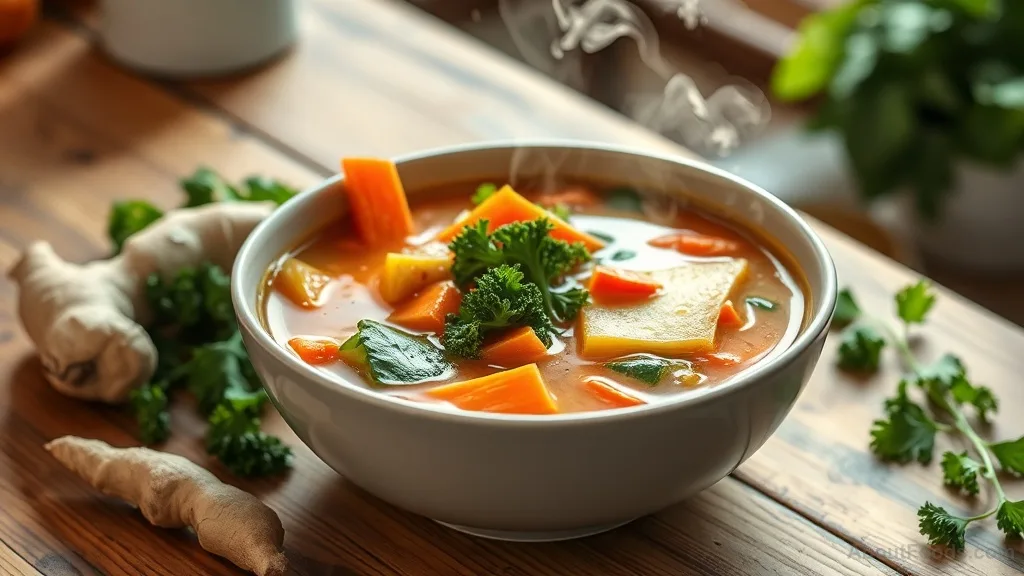
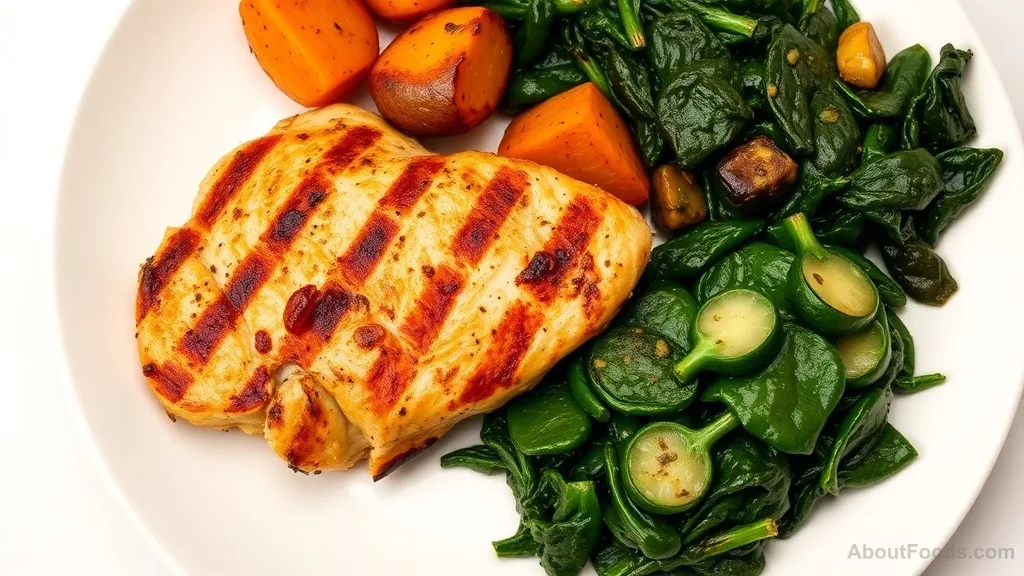
Start with What You Already Know
In my kitchen, the scent of star anise often lingers—a quiet reminder of the wisdom in simplicity. When it comes to eating for immune support, many of us feel overwhelmed by complex rules and exotic superfoods. But the truth is, some of the most supportive foods are already in your pantry or at your local market. This guide is about returning to those basics, without the stress of overthinking. We'll explore everyday ingredients that nourish your body naturally, in ways that feel sustainable and kind.
Think of it not as a strict diet, but as a gentle shift toward more mindful eating. By focusing on whole, nutrient-rich foods, you can support your immune system without counting calories or following restrictive plans. Let's walk through this together, step by step.
The Foundation: Whole Foods That Nourish
A strong immune system thrives on variety and balance. Instead of seeking out expensive supplements or trendy items, start by incorporating more whole foods into your meals. These are foods that are close to their natural state—think vegetables, fruits, lean proteins, and whole grains. They provide essential vitamins, minerals, and antioxidants that help your body function at its best.
- Colorful vegetables like spinach
- bell peppers
- and sweet potatoes are rich in vitamins A and C.
- Citrus fruits
- berries
- and kiwi offer a boost of vitamin C
- which is known for its role in immune function.
- Lean proteins such as chicken
Aim to fill half your plate with vegetables and fruits at each meal. This simple habit ensures you're getting a range of nutrients without needing to memorize complex guidelines.
Everyday Ingredients with Immune-Supporting Properties
Certain foods have long been valued in traditional cooking for their supportive qualities. In Vietnamese cuisine, we often use ginger, garlic, and turmeric—not just for flavor, but for their gentle nourishing effects. These ingredients are accessible, affordable, and easy to add to your cooking.
| Ingredient | How to Use It | Why It Helps |
|---|---|---|
| Ginger | Add to teas, soups, or stir-fries | Contains antioxidants and may support digestion |
| Garlic | Use in sauces, roasts, or sautéed dishes | Rich in allicin, which has been studied for its wellness benefits |
| Turmeric | Mix into curries, smoothies, or rice dishes | Contains curcumin, known for its antioxidant properties |
| Yogurt | Enjoy as a snack or in dressings | Provides probiotics that support gut health, linked to immune function |
| Mushrooms | Sauté, roast, or add to soups | Source of selenium and B vitamins |
You don't need to use all of these at once. Start by picking one or two to incorporate into your weekly meals. For example, add a slice of ginger to your morning tea or include garlic in your dinner sauté.
Simple Meal Ideas for Busy Days
Eating for immune support doesn't require hours in the kitchen. With a little planning, you can create quick, nourishing meals that fit into a busy schedule. Here are a few ideas to inspire you.
These meals are flexible—use what you have on hand. The key is to include a mix of vegetables, protein, and whole grains to provide sustained energy and nutrients.
Common Mistakes to Avoid
When trying to eat for better immune support, it's easy to fall into traps that add unnecessary stress. Here are a few common pitfalls and how to steer clear of them.
Remember, this is about progress, not perfection. Small, consistent changes are more effective than drastic overhauls that are hard to maintain.
Building Sustainable Habits
The goal is to make immune-supportive eating a natural part of your life, not a temporary fix. Start with one or two habits that feel manageable, and build from there. For example, you might decide to include a vegetable at every dinner or drink herbal tea with ginger in the evenings.
Listen to your body and adjust as needed. Some days, a simple bowl of soup might be all you have time for—and that's perfectly fine. The kindness you show yourself in the kitchen is just as important as the food you prepare.
Frequently Asked Questions
Do I need to take supplements for immune support?
While supplements can be helpful in some cases, it's generally best to focus on getting nutrients from whole foods first. A varied diet rich in vegetables, fruits, and lean proteins often provides what your body needs. If you have specific concerns, consult a healthcare professional.
How quickly will I see results from eating these foods?
Eating for immune support is about long-term wellness, not immediate changes. Consistency is key—over time, a balanced diet can contribute to overall health and vitality.
Can I still enjoy treats while eating for immune support?
Absolutely. This approach is about balance, not deprivation. Enjoy your favorite foods in moderation, and focus on making most of your choices nutrient-rich.
Are organic foods necessary for immune support?
No, organic foods are not required. What matters most is eating a variety of whole foods, whether conventional or organic. Choose what fits your budget and preferences.
Rate this article
No ratings yet. Be the first to rate it.

Written by
Linh Nguyen
Specialises in Vietnamese cuisineLinh makes pho that takes 12 hours. She says the secret is charring the ginger and onion until they weep.
Describe yourself in three words: Quiet, devoted, smells of star anise.