Better Sleep
How to Eat for Better Sleep Without Overthinking It: A Patriot's Guide to Food That Lets You Rest
Forget complicated sleep hacks—your kitchen already holds the key to better rest. This guide shows you how to use simple, everyday foods to support natural sleep rhythms, without counting milligrams or stressing over perfect timing. We'll focus on practical combinations you can actually make, from dinner to bedtime snacks.

Why What You Eat Matters for Sleep (But Not in a Stressful Way)
Look, I'm Mason West, and I believe in two things: good food and a good night's sleep, preferably without making either one more complicated than it needs to be. You've probably heard that certain foods can help you sleep better, but let's cut through the noise. It's not about magic pills or perfect formulas—it's about giving your body the right building blocks at the right time. Foods rich in things like magnesium, tryptophan, and melatonin can nudge your natural sleep-wake cycle in the right direction. Think of it like tuning an old radio: a little adjustment here and there, and suddenly the static clears up. We're talking real, onion-y, down-home foods that don't require a PhD to prepare.
The Sleep-Supporting Superstars: Foods That Do the Heavy Lifting
You don't need a long list of exotic ingredients. Focus on these everyday heroes that pack a punch for sleep support. They're the kind of foods you can find in any American grocery store, no special trips required.
Building a Sleep-Friendly Dinner: Keep It Simple and Satisfying
Dinner isn't just about filling your belly—it's about setting the stage for the night ahead. Aim for a balanced plate that includes protein, complex carbs, and some veggies. Skip the greasy, heavy stuff that'll have you tossing and turning. Here's a patriot's approach: think roasted turkey or chicken with a side of sweet potato and some steamed greens. The combo gives you tryptophan from the meat, steady carbs from the potato, and magnesium from the greens. It's hearty without being heavy, like a good American meal should be.
- Grilled chicken breast with quinoa and roasted broccoli.
- Baked salmon with brown rice and asparagus.
- Lentil soup with a slice of whole-grain bread.
Bedtime Snacks: Small Bites That Actually Help, Not Hurt
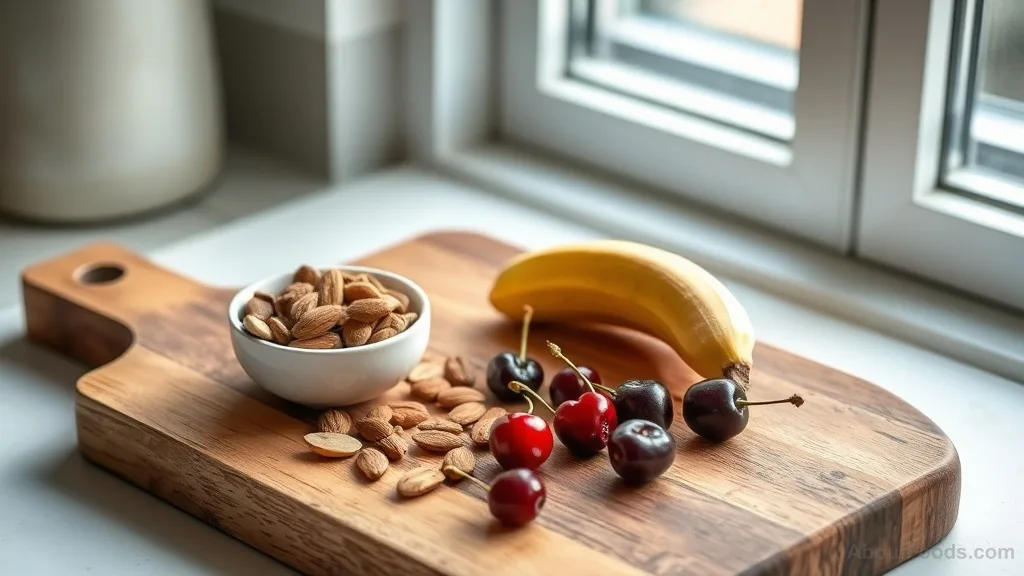
If you're feeling peckish before bed, a smart snack can be your best friend. The key is to keep it small, easy to digest, and packed with sleep-supporting nutrients. A handful of almonds with a few cherries, a banana with a dab of almond butter, or a small bowl of oatmeal with a splash of milk—these are the kinds of snacks that say 'goodnight' to your stomach without keeping it up all night. Avoid sugary treats or heavy chips; they'll just give you a burst of energy when you least want it.
Timing Matters: When to Eat for Optimal Sleep
You don't need to watch the clock like a hawk, but a little awareness goes a long way. Try to finish dinner at least 2-3 hours before bedtime. This gives your body time to digest without interfering with sleep. If you need a snack, have it about 30-60 minutes before you hit the hay. And hydrate wisely—sip water throughout the day, but ease up in the evening to avoid midnight trips to the bathroom. It's all about rhythm, like the steady beat of a marching band on the Fourth of July.
Common Mistakes to Avoid (So You Don't Overthink It)
Even with the best intentions, it's easy to slip up. Here are a few pitfalls to watch out for, so you can keep things simple and effective.
- Overloading on caffeine late in the day—stick to morning coffee.
- Eating too much protein right before bed
- which can be hard to digest.
- Skipping meals earlier
- leading to overeating at night.
- Ignoring portion sizes—a snack should be snack-sized
- not a second dinner.
Putting It All Together: A Sample Day of Sleep-Supportive Eating
Let's walk through a day that supports good sleep, from sunrise to lights out. This isn't a strict plan—just an example to show how it can fit into real life.
FAQ: Your Sleep and Food Questions, Answered Simply
Can I just take a supplement instead of eating these foods?
Sure, but why complicate it? Whole foods give you a mix of nutrients that work together, plus they taste better. Stick to real food when you can—it's the all-American way.
What if I'm not hungry before bed?
No problem! If you're not hungry, skip the snack. The goal is to support sleep, not force-feed yourself. Listen to your body.
Are there any foods I should absolutely avoid at night?
Heavy, greasy foods and anything too spicy or sugary can disrupt sleep. Also, watch out for hidden caffeine in things like chocolate or some teas.
How long will it take to see improvements in my sleep?
Everyone's different, but many people notice better sleep within a week or two of making consistent food choices. Be patient and stick with it.
Rate this article
No ratings yet. Be the first to rate it.

Written by
Mason West
Specialises in American cuisineMason makes smash burgers on a flat top with grilled onions and American cheese. He is a patriot of the griddle.
Describe yourself in three words: Patriotic, greasy, onion-y.