Better Sleep
What Nutrition Experts Look for in the Best Foods for Better Sleep
Discover the key nutrients and food combinations that nutrition professionals recommend for supporting restful sleep. Learn how to incorporate these gentle, sleep-friendly foods into your evening routine without complicated recipes or strict rules.
The Quiet Science of Sleep and Food
In my grandmother's kitchen in Hanoi, sleep was never forced—it was invited. A cup of warm tea, a slice of ripe fruit, the slow simmer of broth. Today, as I study nutrition, I see how those gentle rituals align with what experts understand: certain foods can create conditions in our bodies that welcome rest. This isn't about magic pills or strict rules, but about choosing ingredients that naturally contain compounds which may help calm the nervous system, regulate sleep-wake cycles, and ease digestion before bed. Think of it as setting the table for sleep.
Nutrition professionals look for specific nutrients and food combinations that research suggests may support better sleep quality. They emphasize balance, timing, and listening to your body's signals. This guide walks through what those experts prioritize, offering practical ways to bring sleep-friendly foods into your evenings.
Key Nutrients Experts Prioritize for Sleep
When evaluating foods for sleep support, nutritionists focus on a handful of well-studied nutrients. These aren't cure-alls, but they play roles in the body's natural sleep processes.
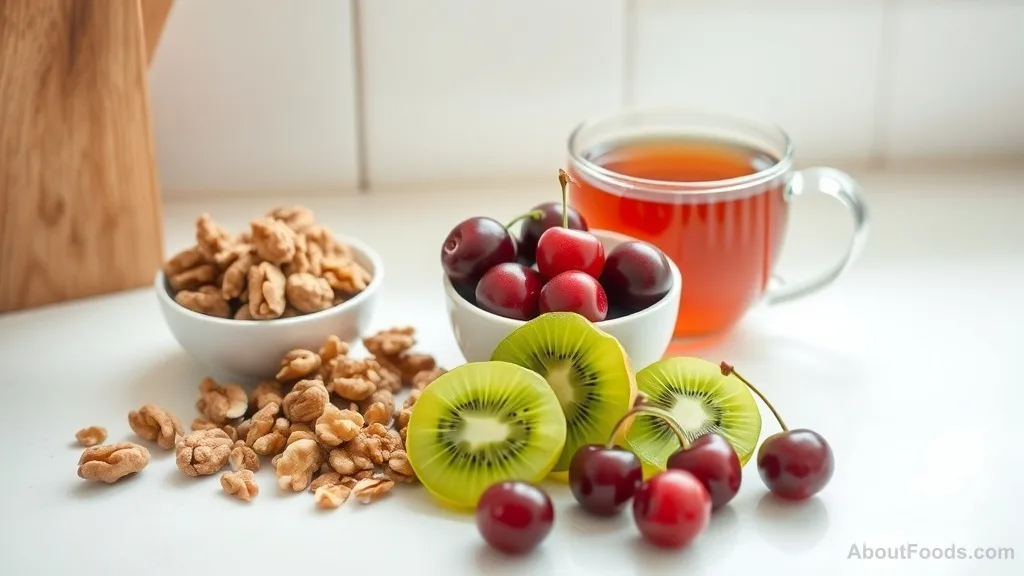
Notice that many foods contain multiple sleep-supportive nutrients. Walnuts, for example, offer melatonin, healthy fats, and magnesium. This synergy is what experts look for—foods that bring several beneficial compounds together.
Evening Meals: Balancing for Rest
The last meal of the day sets the stage for how you'll sleep. Nutrition experts suggest aiming for balance: include a moderate amount of protein, some complex carbohydrates, and a little healthy fat. Avoid heavy, greasy, or overly spicy meals close to bedtime, as they can disrupt digestion and make it harder to settle.
- A small serving of grilled salmon with roasted sweet potatoes and steamed broccoli.
- A bowl of vegetable and lentil soup with a slice of whole grain bread.
- Stir-fried tofu with brown rice and leafy greens like bok choy or spinach.
- A modest portion of whole wheat pasta with turkey meatballs and a light tomato sauce.
Try to finish your evening meal 2–3 hours before bed. This gives your body time to begin digestion so you're not lying down with a full stomach. If you feel hungry later, a light snack is better than going to bed hungry, which can also disrupt sleep.
Bedtime Snacks: Small and Soothing
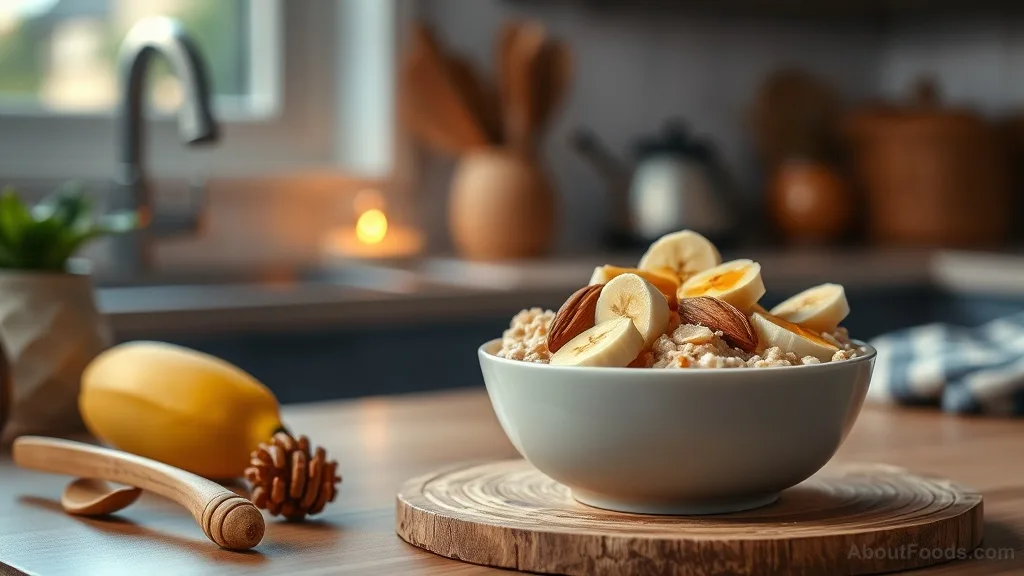
A well-chosen small snack about 30–60 minutes before bed can be helpful if you're slightly hungry. Experts recommend combining a carbohydrate with a little protein or healthy fat. This helps keep blood sugar stable and provides tryptophan to support melatonin production.
Keep portions small—think of a snack as something that fits in the palm of your hand. The goal is to ease hunger, not fill up.
Drinks That Encourage Calm
What you drink in the evening matters as much as what you eat. Caffeine and alcohol can interfere with sleep quality, even if they don't prevent you from falling asleep. Instead, consider gentle, warm beverages.
- Chamomile tea: A classic calming herb with a mild
- floral flavor.
- Warm milk: The tryptophan in milk
- combined with the psychological comfort of a warm drink
- can be soothing. Add a dash of turmeric or ginger for extra warmth.
- Tart cherry juice: A small glass (about 4–6 ounces) of unsweetened tart cherry juice provides melatonin. Dilute it with water if you find it too strong.
- Decaffeinated herbal teas: Peppermint
- lavender
Sip your drink slowly, perhaps while reading or listening to soft music. Let it be part of winding down, not just something you consume.
Common Mistakes and Gentle Corrections
Even with good intentions, it's easy to make choices that don't support sleep. Here are a few common missteps and how to adjust them gently.
Putting It All Together: A Sample Evening
Let's walk through what an evening focused on sleep-supportive nutrition might look like. This isn't a rigid plan, but an example of how to combine these ideas.
- 6:30 PM: Dinner—a bowl of vegetable and lentil soup with a slice of whole grain bread. The lentils provide protein and fiber
- the vegetables offer vitamins
- and the bread adds complex carbs.
- 8:30 PM: A cup of chamomile tea while reading or relaxing.
- 9:45 PM: A light snack if hungry—a small bowl of yogurt with a few tart cherries.
- 10:30 PM: Bedtime
- after turning off bright screens and dimming lights.
Adjust timing and choices based on your schedule and hunger cues. The key is consistency and mindfulness, not perfection.
Frequently Asked Questions
Can certain foods really help me sleep better?
While no food is a guaranteed sleep aid, some contain nutrients that research suggests may support the body's natural sleep processes. Foods with melatonin, magnesium, tryptophan, and complex carbs can create conditions that may make it easier to fall asleep and stay asleep. They work best as part of an overall healthy diet and good sleep hygiene.
How long before bed should I eat my last snack?
Aim for 30–60 minutes before bedtime. This gives your body a little time to start digestion without being too close to lying down. If you eat immediately before bed, you might experience discomfort or indigestion.
Are there any foods I should avoid before bed?
It's generally wise to limit caffeine (found in coffee, tea, chocolate, and some sodas), alcohol, heavy or greasy meals, and very spicy foods in the hours before bedtime. These can disrupt digestion, affect sleep quality, or cause wakefulness.
What if I'm not hungry before bed?
That's perfectly fine. Don't force yourself to eat. The goal is to support your body's needs, not follow a rigid rule. If you're not hungry, simply focus on having a balanced evening meal and perhaps a calming drink if you enjoy one.
Can I use supplements instead of food for these nutrients?
This article focuses on food sources, as they provide nutrients in a balanced context with other beneficial compounds. If you're considering supplements, it's best to consult with a healthcare provider or registered dietitian to ensure they're appropriate for your individual needs and won't interact with any medications or conditions.
Rate this article
No ratings yet. Be the first to rate it.
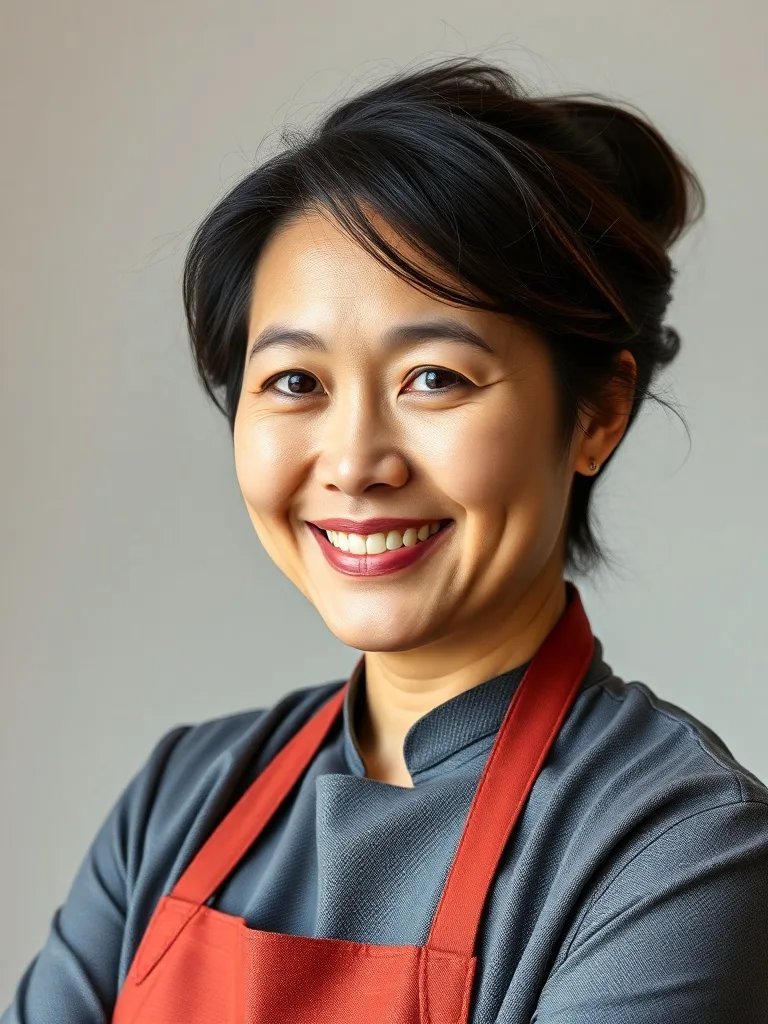
Written by
Linh Nguyen
Specialises in Vietnamese cuisineLinh makes pho that takes 12 hours. She says the secret is charring the ginger and onion until they weep.
Describe yourself in three words: Quiet, devoted, smells of star anise.