Inflammation
A Practical Guide to the Best Foods for Inflammation
Inflammation is a natural response, but chronic inflammation can harm your body. This guide explores the best anti-inflammatory foods to incorporate into your daily meals for long-term health and vitality.
What is Inflammation and Why Does Diet Matter?
Inflammation is your body's natural defense mechanism against injury and infection. However, when inflammation becomes chronic, it can contribute to conditions like heart disease, arthritis, and autoimmune disorders. The foods you eat play a crucial role in either promoting or reducing inflammation. An anti-inflammatory diet focuses on whole, nutrient-dense foods that provide antioxidants, healthy fats, and fiber to help calm the body's inflammatory response.
The Top Anti-Inflammatory Foods to Add to Your Plate
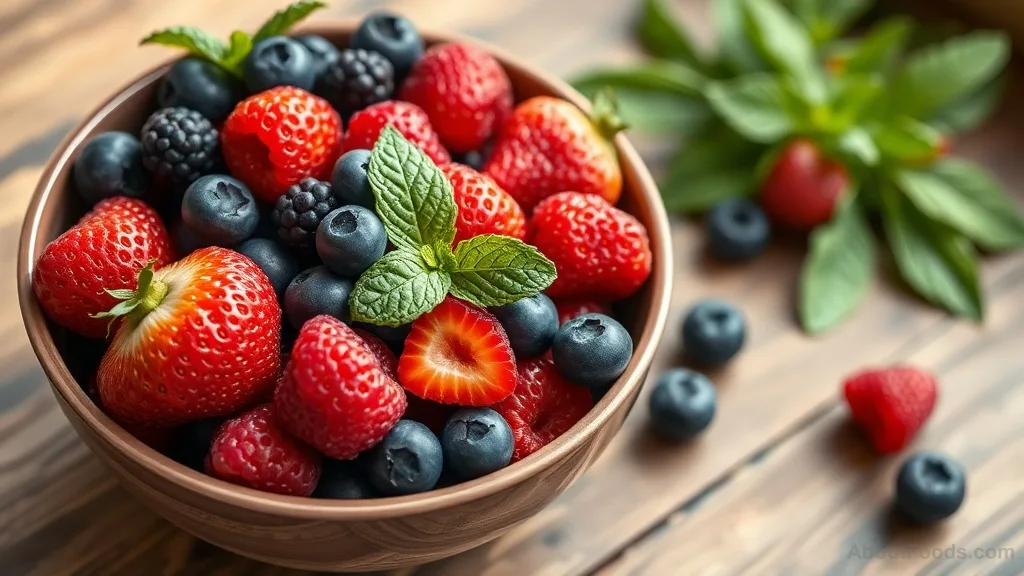
While no single food is a magic bullet, certain foods are especially effective at combating inflammation. Here are the stars of the anti-inflammatory world, along with a quick reference table.
Including a variety of these foods daily ensures a broad spectrum of protective compounds.
How to Build an Anti-Inflammatory Plate
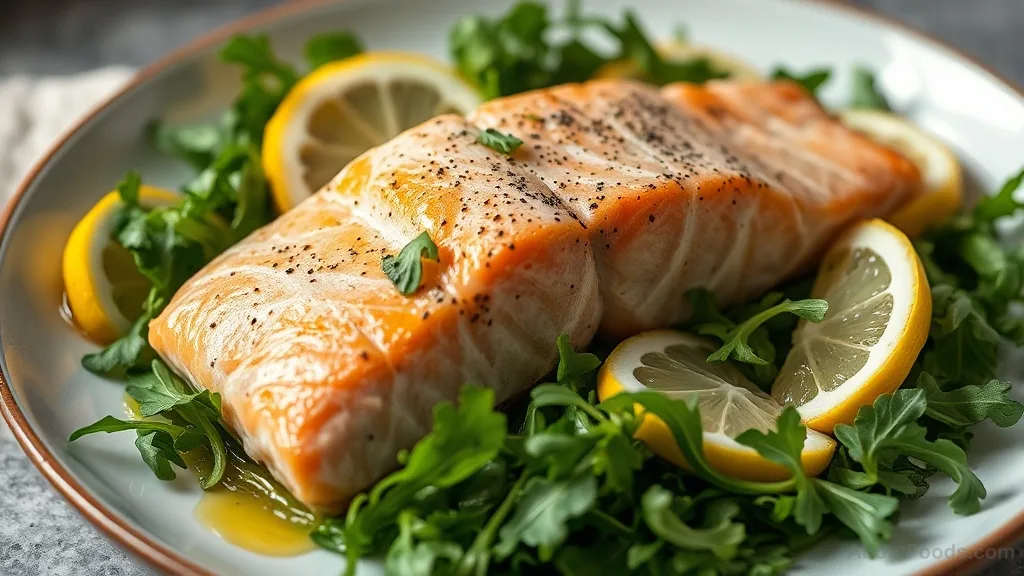
A useful framework for an anti-inflammatory meal involves filling your plate with three key components: colorful vegetables, a source of healthy fat, and lean protein. Aim for at least 2-3 servings of vegetables per meal, with a variety of colors to maximize different antioxidants. Good fat options include avocado, nuts, seeds, and olive oil. For protein, choose fish, legumes, or pasture-raised poultry. Add a whole grain like quinoa or brown rice for fiber, which also supports a healthy gut microbiome—a crucial ally against inflammation.
Common Mistakes That Promote Inflammation
- Overconsumption of refined sugars and carbohydrates (e.g.
- white bread
- sugary drinks) – they spike blood sugar and trigger pro-inflammatory cytokines.
- Too many processed vegetable oils (corn
- soybean
- sunflower) which are high in omega-6s that can promote inflammation when imbalanced with omega-3s.
- Skipping fiber – a low-fiber diet harms gut microbes
- allowing inflammatory compounds to enter the bloodstream.
A small shift—like swapping your cooking oil for olive oil or adding a side of sautéed greens—can make a big difference.
Quick Anti-Inflammatory Food Swaps
Frequently Asked Questions
Remember, this is a journey, not a penalty. Enjoy the colours, textures, and flavours of foods that love you back. Your body will thank you—slowly, steadily, deliciously.
Rate this article
No ratings yet. Be the first to rate it.

Written by
Elodie Laurent
Specialises in French cuisineElodie is a Parisian who moved to the countryside to make cheese. She names her goats after French philosophers.
Describe yourself in three words: Earthy, philosophical, smells faintly of chèvre.