Gut Health
A Practical Guide to the Best Foods for Gut Health
Discover traditional and accessible foods that support a healthy gut. This guide focuses on practical choices you can incorporate into daily meals, rooted in time-tested wisdom and modern understanding.
Understanding Gut Health: A Foundation for Well-Being
In my upbringing, rooted in Mexican traditions, we often spoke of 'el estómago'—the stomach—as the center of our health. This wisdom aligns with what modern science tells us: a healthy gut is crucial not just for digestion, but for overall vitality. Your gut houses trillions of microorganisms that help break down food, support your immune system, and even influence your mood. By choosing the right foods, you can nurture these beneficial bacteria, creating a balanced environment that promotes well-being. This guide will walk you through practical, everyday foods that have stood the test of time, focusing on options that are accessible and easy to incorporate into your meals.
Think of your gut as a garden. Just as you tend to plants with care, you can feed your gut with foods that help good bacteria thrive. We won't make grand promises or medical claims here—instead, we'll explore tangible choices that many cultures, including my own, have relied on for generations. Whether you're new to this topic or looking to refine your habits, this guide offers a grounded approach, emphasizing simplicity and consistency over quick fixes.
Probiotic Foods: Introducing Beneficial Bacteria
Probiotics are live microorganisms that can add to the good bacteria in your gut. In Mexican cuisine, fermented foods like 'pulque' or certain salsas have long been part of our diet, though today, we might turn to more widely available options. These foods are not magical cures, but they can help maintain a diverse gut microbiome when consumed regularly. Start with small servings if you're new to them, as your body may need time to adjust.
- Yogurt: Choose plain
- unsweetened varieties with live cultures. Add a spoonful to your breakfast or use it as a base for sauces.
- Kefir: A fermented milk drink that's rich in probiotics. Drink it alone or blend it into smoothies for a tangy kick.
- Kimchi and Sauerkraut: Fermented vegetables that add crunch and flavor to meals. Look for unpasteurized versions in the refrigerated section.
- Traditional Ferments: If you're adventurous
- try making your own fermented foods at home
- like curtido or simple pickled vegetables.
A common mistake is overdoing it too quickly. Introduce one probiotic food at a time, and listen to your body. Pair them with meals to ease digestion—for example, have a small side of kimchi with your lunch instead of eating it alone on an empty stomach.
Prebiotic Foods: Fueling Your Gut's Good Bacteria
Prebiotics are types of fiber that act as food for the beneficial bacteria in your gut. They're found in many plant-based foods and are essential for helping probiotics do their job. In my family, we've always valued ingredients like beans and onions, not just for their flavor, but for their sustaining qualities. Incorporating prebiotics doesn't require exotic items; focus on everyday vegetables, fruits, and grains.
| Food | Prebiotic Type | How to Use |
|---|---|---|
| Garlic and Onions | Inulin and FOS | Sauté as a base for soups, stews, or sauces |
| Artichokes | Inulin | Steam and eat as a side, or add to salads |
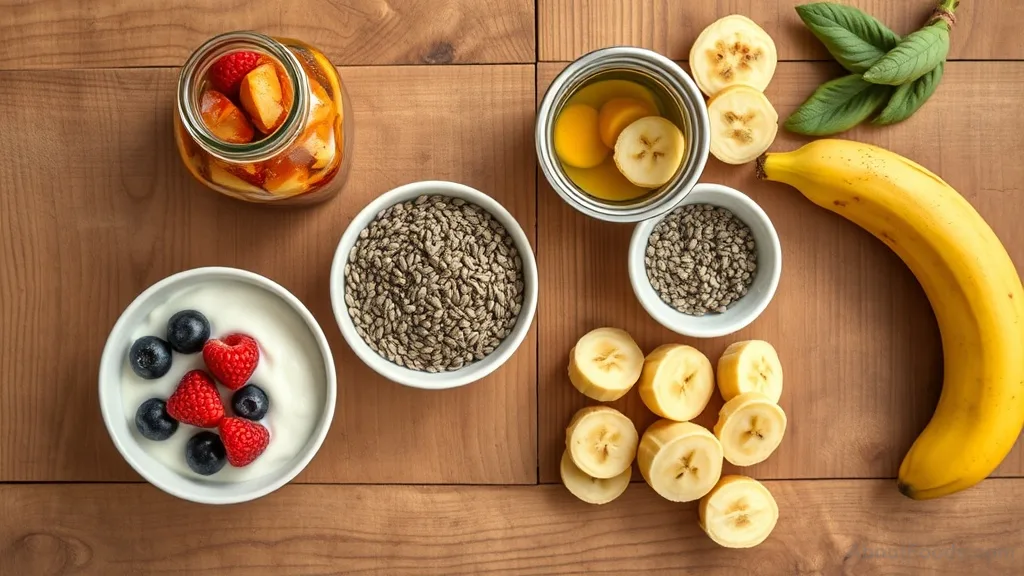
| Bananas (slightly green) | Resistant Starch | Slice into oatmeal or eat as a snack |
| Oats | Beta-Glucan | Cook into porridge or use in baking |
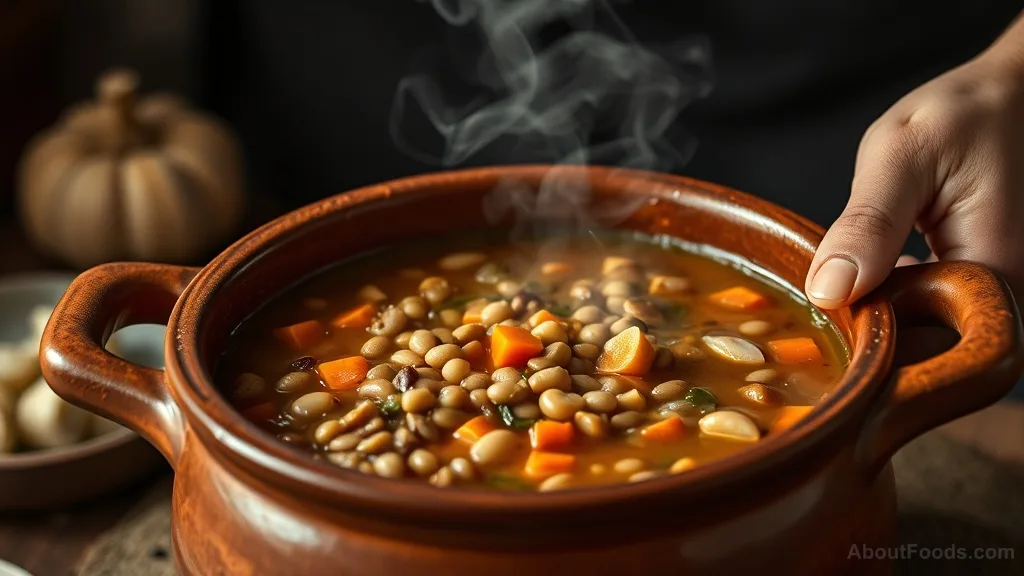
| Beans and Lentils | Various Fibers | Add to soups, salads, or make into dips like hummus |
To get the most benefit, aim for a variety of these foods throughout the week. For instance, add sliced onions to your morning eggs, include beans in your lunch salad, and enjoy a banana as an afternoon snack. Cooking can sometimes reduce prebiotic content, so include raw or lightly cooked versions when possible, like adding raw garlic to dressings.
Fiber-Rich Choices: Supporting Digestion and Satiety
Fiber is a cornerstone of gut health, aiding digestion and helping you feel full longer. Traditional diets, including those in Mexico, often emphasize whole foods like corn, beans, and squash—all rich in fiber. Today, you can draw from a wide range of sources to meet your needs. Aim for a mix of soluble and insoluble fiber, as both play roles in gut function.
A practical tip: increase fiber gradually to avoid discomfort, and drink plenty of water to help it move through your system. For example, if you're new to high-fiber eating, start by adding an extra vegetable to your dinner or switching to whole-grain bread. Remember, consistency matters more than perfection—small, daily changes can lead to lasting benefits.
Foods to Enjoy in Moderation: Balancing Your Diet
While focusing on gut-friendly foods, it's also wise to be mindful of choices that might disrupt your gut balance if consumed in excess. This isn't about strict avoidance, but about balance—a principle deeply ingrained in traditional eating. Highly processed foods, excessive sugar, and large amounts of red meat can sometimes irritate the gut or feed less beneficial bacteria. Instead of cutting them out entirely, consider how you can moderate them.
- Processed Snacks: Opt for whole-food alternatives like fruit or nuts when possible.
- Sugary Drinks: Replace with water
- herbal teas
- or infused water with citrus or herbs.
- Fried Foods: Enjoy occasionally
- and balance with lighter
- fiber-rich meals on other days.
In my kitchen, we believe in 'todo con medida'—everything in moderation. For instance, if you crave something sweet, pair it with a fiber-rich food, like having a small piece of dark chocolate with a handful of berries. This approach helps maintain gut harmony without feeling deprived.
Putting It All Together: Simple Meal Ideas
Incorporating gut-healthy foods into your daily routine doesn't have to be complicated. Draw inspiration from traditional meals that naturally combine these elements. Here are a few practical ideas to get you started, using accessible ingredients.
Start with one meal at a time, and adjust based on what feels good for your body. The key is to make these choices habitual, not stressful. Over time, you'll find a rhythm that supports your gut without overhauling your entire diet.
FAQs: Common Questions About Gut Health Foods
How quickly will I notice changes from eating gut-healthy foods?
It varies by person, but many people report feeling improvements in digestion within a few weeks of consistent eating. Focus on long-term habits rather than immediate results.
Can I get enough probiotics from supplements instead of food?
While supplements are available, whole foods offer additional nutrients and fiber. I recommend starting with food sources and consulting a healthcare professional if considering supplements.
Are there any side effects to eating more fiber?
Increasing fiber too quickly can cause bloating or gas. Start slowly, drink plenty of water, and your body will likely adjust over time.
How do traditional diets support gut health?
Many traditional diets, including Mexican cuisine, naturally include fermented foods, beans, and vegetables—all rich in probiotics, prebiotics, and fiber. They emphasize balance and whole ingredients.
Can children eat these gut-healthy foods?
Yes, in age-appropriate forms. For example, offer plain yogurt or well-cooked beans. Introduce new foods gradually and adjust based on their tolerance.
Rate this article
No ratings yet. Be the first to rate it.

Written by
Camila Morales
Specialises in Mexican cuisineCamila makes mole that takes three days. She says shortcuts are for the weak. Her abuela approves.
Describe yourself in three words: Patient, serious, deeply traditional.