Gut Health
Simple Grocery Picks That Support Gut Health: Everyday Choices from My Peruvian Kitchen
Choosing gut-friendly foods doesn't require exotic supplements or complicated diets—just smart, accessible grocery picks. I'll share practical selections that bring traditional Peruvian wisdom to your modern shopping cart. These are foods your ancestors would recognize and your gut will thank you for.
Why Your Gut Deserves More Than Bland Advice
Let me be direct: much gut health talk is as exciting as plain boiled potatoes. It's either overly clinical or buried in supplement hype. I'm Mateo Quispe, and my Peruvian roots taught me that food should wake up your senses and your ancestors—spicy, acidic, alive. Your gut isn't some delicate vase; it's a robust ecosystem that thrives on real, flavorful foods. This guide cuts through the noise with simple grocery picks that actually work, grounded in tradition and practicality. No miracle cures, just ingredients your abuela would approve of.
Fermented Foods: The Probiotic Powerhouses
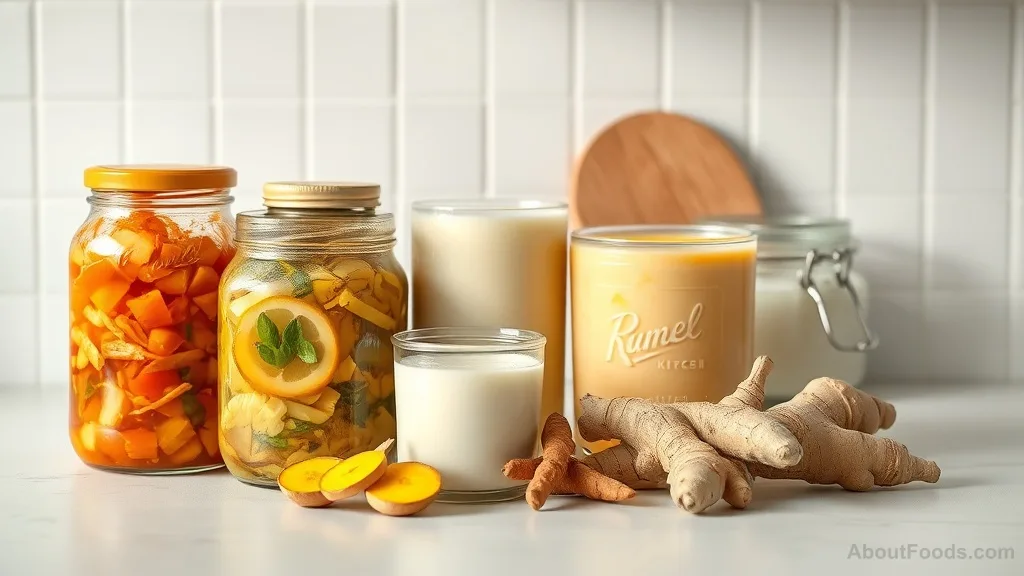
Fermentation isn't a trend; it's ancient wisdom. In Peru, we've preserved foods this way for centuries, and your gut benefits from those live cultures. These picks introduce friendly bacteria that support digestion and overall gut balance.
Common mistake: Overdoing it too quickly. Start with a tablespoon daily and increase gradually to let your gut adjust. Kitchen tip: Add a spoonful of sauerkraut to salads or use miso in dressings for an easy boost.
Fiber-Rich Foods: The Prebiotic Foundation
Think of prebiotics as food for your gut's good bacteria. They're the unsung heroes—often overlooked but essential. These fiber-rich picks help nourish probiotics and keep things moving smoothly.
- Beans and lentils: Affordable
- versatile
- and loaded with soluble fiber. Soak them overnight to reduce cooking time and improve digestibility.
- Oats and barley: Whole grains that provide steady energy and feed beneficial bacteria. Use in porridge
- soups
- or baked goods.
- Bananas and apples: Fruits with resistant starch and pectin
- especially when slightly underripe. Great as snacks or in smoothies.
Vegetables That Do Double Duty
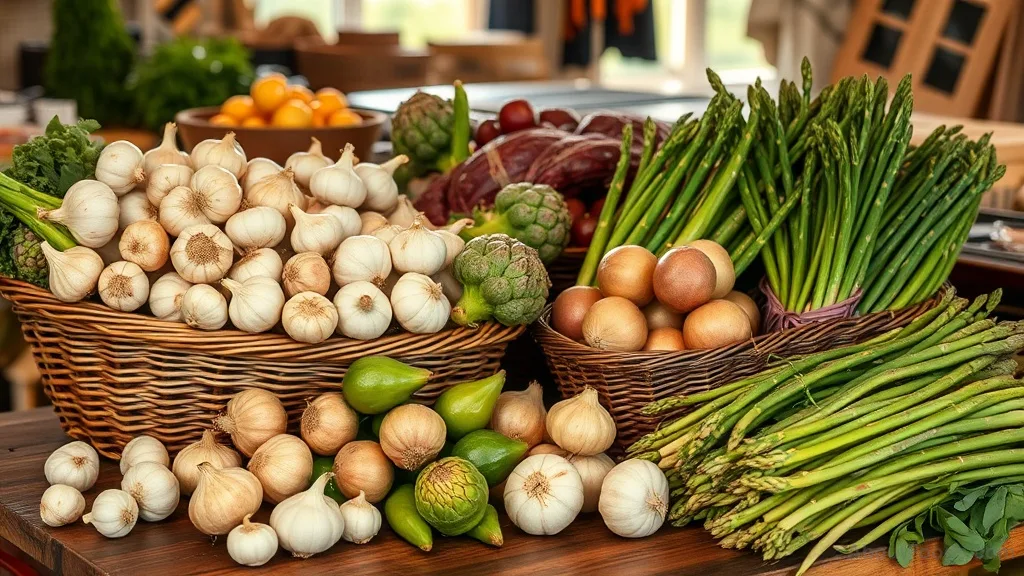
Some vegetables are gut health superstars, offering both prebiotics and other nutrients. In Peru, we celebrate produce that's bold and beneficial—these picks are no exception.
| Vegetable | Key Benefit | Simple Use |
|---|---|---|
| Artichokes | High in inulin, a prebiotic fiber | Steam and serve with lemon garlic dip |
| Asparagus | Rich in prebiotics and antioxidants | Roast with olive oil and sea salt |
| Leeks | Mild onion-like prebiotic source | Sauté as a soup or pasta base |
| Jicama | Crunchy root with soluble fiber | Slice raw for salads or snacks |
Practical takeaway: Don't boil these vegetables to mush—light cooking preserves their prebiotic properties. Roasting or steaming retains texture and nutrients better.
Spices and Seeds: The Flavorful Enhancers
Gut health doesn't mean bland food. Peruvian cuisine thrives on spices that wake up the palate and support digestion. These additions bring heat, acidity, and depth while being gut-friendly.
Common mistake: Using stale spices. Buy small quantities and store in a cool, dark place to maintain potency. Kitchen tip: Make a simple digestive tea by steeping fresh ginger slices in hot water with a squeeze of lemon.
Putting It All Together: A Week of Gut-Friendly Meals
You don't need a rigid meal plan—just smart combinations. Here's how to weave these picks into a typical week, inspired by the flexible spirit of Peruvian cooking.
- Monday: Oatmeal with sliced banana
- chia seeds
- and a dollop of yogurt for breakfast
- lentil soup with garlic and onions for lunch.
- Tuesday: Smoothie with kefir
- spinach
- and ginger
- roasted asparagus and tempeh bowl for dinner.
Key insight: Variety matters more than perfection. Rotate different fermented foods, fibers, and spices to support diverse gut bacteria.
FAQs: Straight Answers on Gut Health Foods
Can I eat these foods if I have digestive issues?
Start slowly and listen to your body. Introduce one new food at a time in small amounts. If you have specific conditions like IBS, consult a healthcare professional for personalized advice.
Are canned beans as good as dried beans for gut health?
Yes, canned beans are convenient and still provide fiber. Rinse them well to reduce sodium and some compounds that can cause gas. Dried beans, when soaked and cooked, may have slightly higher nutrient retention.
How do I know if a fermented food has live cultures?
Look for terms like 'unpasteurized,' 'live cultures,' or 'probiotic' on labels. Refrigerated versions are more likely to contain active bacteria than shelf-stable ones.
Can I get enough prebiotics from supplements instead?
Whole foods are generally better because they offer a mix of nutrients and fiber. Supplements can be useful in some cases, but focus on building a diverse diet first for long-term gut support.
Rate this article
No ratings yet. Be the first to rate it.

Written by
Mateo Quispe
Specialises in Peruvian cuisineMateo makes ceviche with leche de tigre that will wake your ancestors. He uses rocoto peppers for heat.
Describe yourself in three words: Acidic, spicy, ancestor-waking.