Weight Management
10 Simple Grocery Picks That Support Weight Management
Discover ten everyday grocery items that can help support your weight management goals. From protein-packed staples to fiber-rich vegetables, these simple picks make healthy eating easier and more enjoyable.
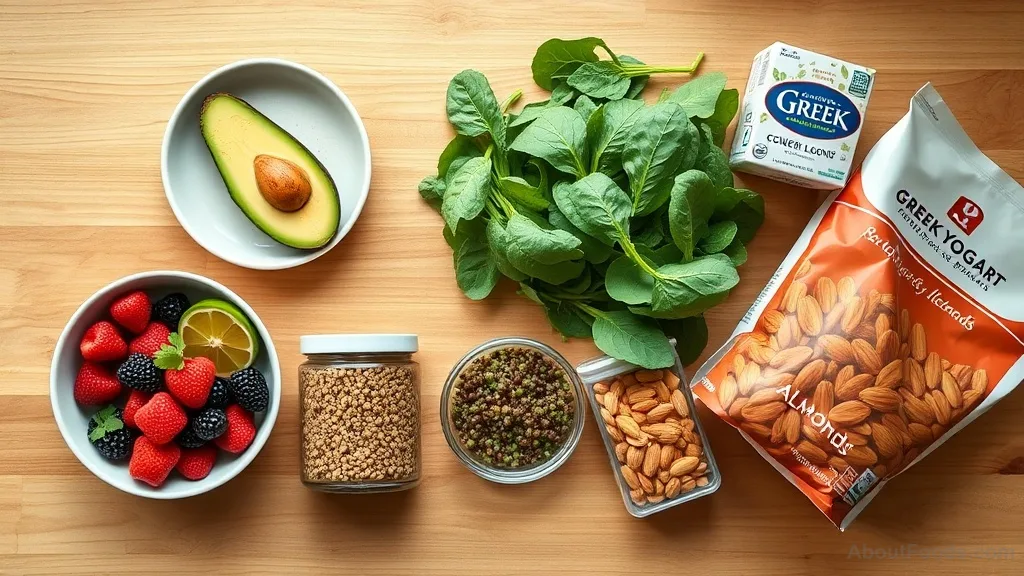

Why These Simple Picks Work
When it comes to supporting weight management, the foods you choose can make a real difference. The items on this list share three key qualities: they are high in protein or fiber, relatively low in calorie density, and versatile enough to fit into your everyday meals. These factors help regulate appetite, stabilize blood sugar, and provide lasting energy without feeling deprived.
Let’s look at the specific picks I recommend, each with a practical reason for earning a spot in your grocery cart.
1. Chicken Breast
Lean protein is a cornerstone of weight management, and chicken breast is one of the leanest, most versatile options. A 4-ounce serving provides about 35 grams of protein with minimal fat. Protein is highly satiating, meaning it helps you feel full and reduces the urge to snack between meals.
Try grilling a batch at the start of the week to add to salads, wraps, or stir-fries. The subtle flavor takes on marinades and spices beautifully.
- Look for boneless
- skinless chicken breast to keep fat low.
- Cook simply with salt
- pepper
- and a squeeze of lemon.
- Shredded chicken works well in grain bowls or soups.
2. Eggs
Eggs are a nearly perfect food for weight management. Each large egg offers about 6 grams of high-quality protein and key nutrients like vitamin B12 and choline. The combination of protein and fat in eggs can keep you satisfied for hours, and they’re incredibly quick to prepare.
- Hard-boil a few for a grab-and-go snack.
- Add scrambled eggs to a breakfast wrap or onto toast with avocado.
- Make a frittata with leftover vegetables for a no-waste meal.
3. Greek Yogurt
Greek yogurt is strained to remove excess whey, resulting in a thicker consistency and more protein than regular yogurt. A single serving can have up to 20 grams of protein. It’s also rich in calcium and probiotics, which support gut health—something often overlooked in weight management.
- Choose plain
- unsweetened yogurt to avoid added sugars.
- Use it as a base for smoothies or a topping for fruit.
- Swap it for sour cream in dips or sauces.
4. Lentils
Lentils are a powerhouse of plant-based protein and soluble fiber, both of which contribute to fullness and stable energy levels. Fiber slows digestion, helping to control blood sugar spikes and reduce cravings. Cooked lentils can be stirred into salads, curries, or soups for a hearty boost.
- Grab canned or dried lentils—both work well.
- Rinse canned lentils to cut back on sodium.
- Cook a big batch and refrigerate for easy additions throughout the week.
5. Spinach
Leafy greens like spinach are low in calories but high in volume, water, and fiber. This means you can eat a large portion without consuming many calories while staying hydrated and satisfied. Spinach is also packed with vitamins A, C, and K, plus iron and calcium.
- Sauté a handful into eggs
- pasta
- or rice dishes.
- Use fresh spinach as the base for every salad.
- Add a big handful to smoothies—the flavor is subtle.
6. Berries
Berries—blueberries, strawberries, raspberries—offer sweetness along with a boost of antioxidants and fiber. They’re lower in sugar than many other fruits, making them a smart choice for curbing a sweet tooth. A cup of fresh berries provides around 4 grams of fiber and only 60–100 calories.
- Frozen berries are just as nutritious and often more affordable.
- Toss them in oatmeal
- yogurt
- or enjoy plain.
- Blend into a smoothie for a quick breakfast.
7. Quinoa
This ancient grain is a complete protein, meaning it contains all nine essential amino acids. Quinoa is also high in fiber and offers a satisfying chewy texture. It’s a great alternative to white rice or pasta, providing sustained energy and helping to keep you full.
- Rinse quinoa before cooking to remove bitterness.
- Use in tabbouleh-style salads or as a breakfast porridge.
- Store cooked quinoa in the fridge to use as a quick side dish.
8. Almonds
Almonds are rich in healthy monounsaturated fats, vitamin E, and magnesium. Despite being calorie-dense, studies show that whole almonds can actually help with weight management because their crunch and fat content promote satiety. The key is portion control: a small handful (about 23 almonds) goes a long way.
- Buy raw or dry-roasted unsalted almonds.
- Keep them in an airtight container to stay fresh.
- Mix with dried fruit for a trail mix.
9. Avocados
Avocados deliver creamy texture and heart-healthy fats that can help you feel satisfied. Half an avocado provides about 7 grams of fiber. The fats also improve the absorption of fat-soluble vitamins from other foods, so adding avocado to a salad boosts nutrition.
- Slice onto toast or tacos
- mash into guacamole
- or cube onto salads.
- Use as a substitute for butter or mayonnaise in some recipes.
- Choose avocados that yield slightly to gentle pressure when ripe.
10. Oats
Oats are a whole grain rich in beta-glucan, a type of soluble fiber that forms a gel in your gut. This slows digestion and helps stabilize blood sugar, making oatmeal a long-lasting breakfast choice. Oats also support heart health, and their neutral flavor works in both sweet and savory dishes.
- Choose steel-cut or rolled oats over instant for more fiber.
- Top with berries
- nuts
- or a dollop of Greek yogurt.
- Overnight oats make for an effortless grab-and-go breakfast.
Frequently Asked Questions
Can I eat these foods every day?
Yes, a mixture of these foods can be eaten daily as part of a balanced diet. Variety is important, so rotate different protein and vegetable sources.
How much should I eat to lose weight?
Portion sizes depend on your individual calorie needs, but a general guideline is to fill half your plate with vegetables, a quarter with protein, and a quarter with whole grains.
Are frozen fruits and vegetables as good as fresh?
Yes, frozen produce is typically picked at peak ripeness and flash-frozen, preserving nutrients. They’re a great, affordable alternative to fresh.
Bringing It All Together
Building a weight-friendly grocery list doesn’t have to be complicated. Start by adding a few of these picks on your next shopping trip. Anchor your meals with protein and fiber, and use healthy fats and whole grains for added satisfaction. Over time, these simple choices become habits that support your weight management journey without feeling obsessive or restrictive.
Remember, consistency matters more than perfection. A well-stocked kitchen makes it easier to cook nourishing meals at home rather than relying on takeout. Happy cooking, and happy eating.
Rate this article
No ratings yet. Be the first to rate it.

Written by
Mei Zhang
Specialises in Chinese cuisineMei Zhang is a dumpling artist who puts a pleat in each one to represent a year of her life. She is 32.
Describe yourself in three words: Nostalgic, artistic, slow but perfect.