Inflammation
Spice Up Your Plate: Top Ingredients to Tame Inflammation, Ethiopian-Style
Discover how to weave anti-inflammatory powerhouses into your daily meals with ingredients that bring both flavor and wellness. Learn practical ways to incorporate turmeric, ginger, garlic, and more into dishes that nourish and satisfy.
Why Your Kitchen Should Be Your First Defense
In Ethiopia, we don't just eat to fill our stomachs—we eat to heal, to celebrate, and to connect. Food is medicine, and the spices we grind daily are our pharmacy. When it comes to inflammation, think of your plate as a canvas where every ingredient can either fan the flames or cool them down. I'm Dawit Tesfaye, and I grew up watching my grandmother stir pots of berbere-spiced stews that warmed our bodies and soothed our aches. Here, I'll share how to bring that wisdom into your kitchen with ingredients that fight inflammation as deliciously as they feed your soul.
Inflammation isn't always the enemy—it's your body's way of healing. But when it sticks around too long, it can wear you down. Instead of reaching for quick fixes, let's build meals that support your body naturally. This isn't about restrictive diets; it's about adding more of the good stuff, one flavorful bite at a time.
The Golden Trio: Turmeric, Ginger, and Garlic
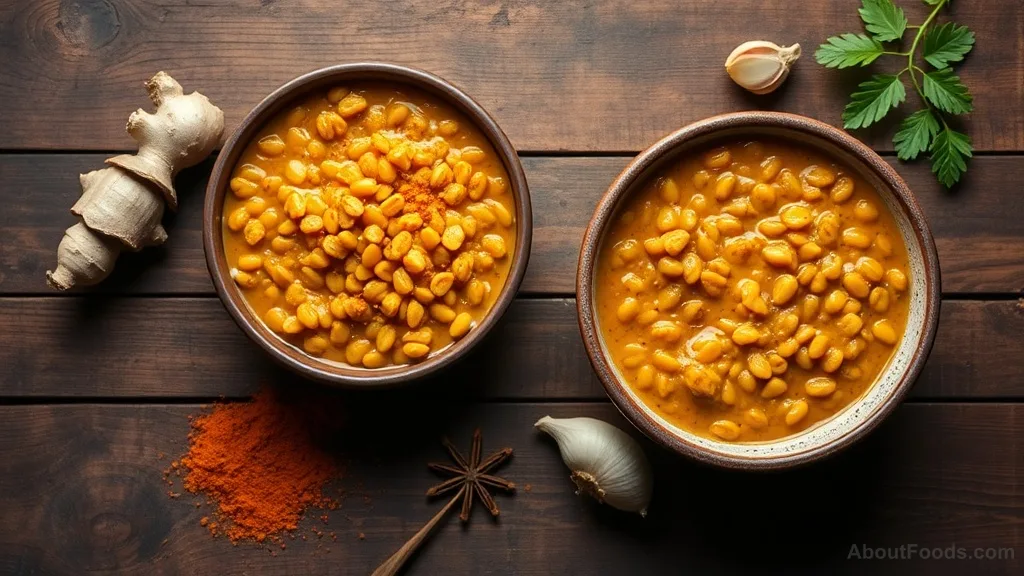
Start with the basics—the spices that form the backbone of so many Ethiopian dishes. Turmeric, with its earthy golden hue, contains curcumin, a compound studied for its anti-inflammatory properties. Don't just sprinkle it; let it bloom in oil to unlock its full potential. Try adding a teaspoon to your sautéed onions when making soups or stews.
- Turmeric: Use in lentil dishes
- rice
- or smoothies. Pair with black pepper to boost absorption.
- Ginger: Grate fresh ginger into teas
- stir-fries
- or salad dressings. Its zing cuts through richness and adds a warming kick.
- Garlic: Crush or chop garlic and let it sit for 10 minutes before cooking to activate its beneficial compounds. Add to everything from roasted vegetables to marinades.
Common mistake: Using old, stale spices. Freshness matters—buy whole turmeric and ginger roots when possible, and store them properly. In my kitchen, I keep a jar of homemade berbere blend that includes these, ready to elevate any dish.
Beyond Spices: Omega-3s and Antioxidant Powerhouses
While spices lead the charge, don't overlook other ingredients that pack a punch. Fatty fish like salmon and sardines are rich in omega-3 fatty acids, which help balance inflammation. If you're not a fish fan, flaxseeds and walnuts are great plant-based alternatives.
| Ingredient | Key Benefit | Easy Way to Use |
|---|---|---|
| Fatty fish (salmon, mackerel) | High in omega-3 fatty acids | Grill with lemon and herbs, add to salads |
| Berries (blueberries, strawberries) | Loaded with antioxidants | Blend into smoothies, top oatmeal or yogurt |
| Leafy greens (spinach, kale) | Rich in vitamins and flavonoids | Sauté with garlic, add to soups or smoothies |
| Extra virgin olive oil | Contains oleocanthal, similar to ibuprofen | Use for dressings, drizzle over finished dishes |
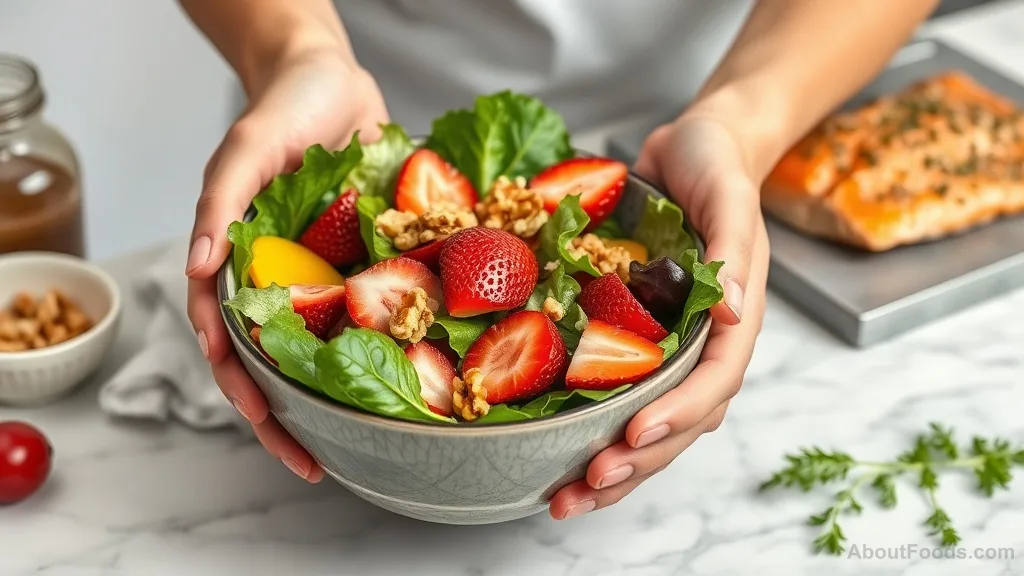
Incorporate these by aiming for color and variety. A simple salad with greens, berries, nuts, and a olive oil dressing can be a daily anti-inflammatory ritual. Remember, it's about consistency—small, regular additions matter more than occasional feasts.
Bringing It All Together: Practical Meal Ideas
Let's move from theory to your table. Here are a few ideas to weave these ingredients into your routine without fuss. Think of your meals as layers of flavor and nutrition.
Tip: Prep ahead. Chop garlic and ginger, cook a batch of lentils, or mix a spice blend on the weekend. When hunger strikes, you'll have building blocks ready to go. In Ethiopian cooking, we often make large pots to share—this approach saves time and ensures you eat well even on busy days.
Your Questions Answered
Can I just take supplements instead of eating these foods?
While supplements have their place, whole foods offer a symphony of nutrients that work together. Eating turmeric in a stew with black pepper and fat, for example, helps your body absorb its benefits better than a pill alone. Focus on food first, and consult a healthcare professional if considering supplements.
How quickly will I see results from changing my diet?
This isn't a quick fix—it's a lifestyle shift. Some people notice more energy or reduced stiffness within a few weeks, but consistency is key. Think of it as building a foundation for long-term wellness, not a overnight solution.
Are there ingredients I should avoid to reduce inflammation?
This guide focuses on what to add, but generally, limiting processed foods, sugary drinks, and excessive refined carbs can help. Instead of worrying about cutting things out, try crowding your plate with more of the anti-inflammatory ingredients discussed here.
Can I still enjoy flavorful food while eating this way?
Absolutely! Ethiopian cuisine is proof that health and flavor go hand-in-hand. Spices like turmeric and ginger add depth without needing excess salt or sugar. Experiment with herbs, citrus, and aromatic bases to keep your meals exciting and satisfying.
Rate this article
No ratings yet. Be the first to rate it.

Written by
Dawit Tesfaye
Specialises in Ethiopian cuisineDawit makes doro wat with berbere and a hard-boiled egg. He uses clarified butter spiced with rosemary.
Describe yourself in three words: Spicy, buttery, egg-topped.