Immune Support
Top Ingredients to Include for Better Immune Support
Discover the most powerful, research-backed ingredients to strengthen your immune system naturally. From vitamin C-rich camu camu to zinc-packed pumpkin seeds, this guide covers what to eat and how to use them daily.
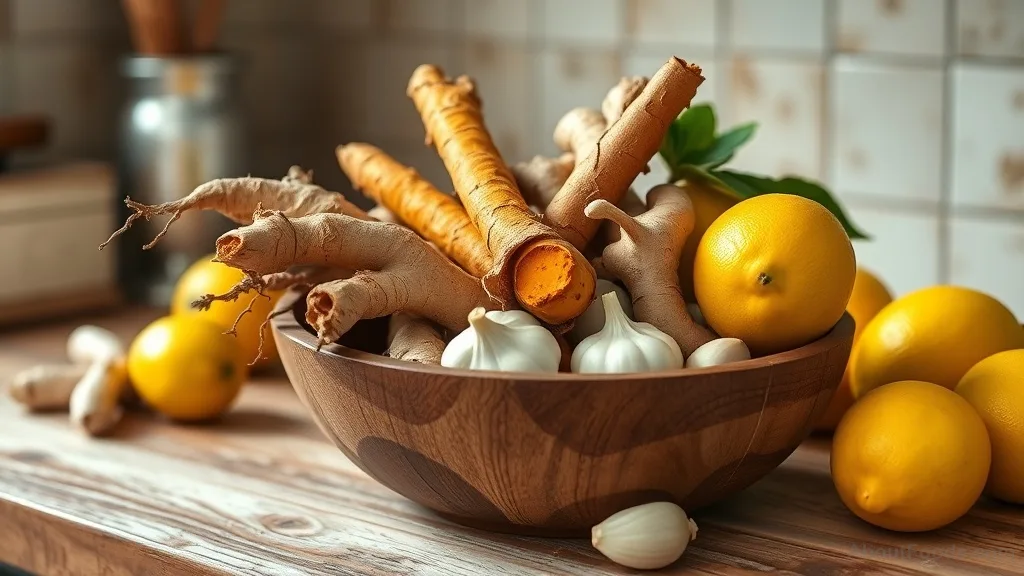

Why Food Ingredients Matter for Immune Health
A strong immune system depends on a steady supply of specific nutrients. While no single food can prevent illness, a diet rich in certain ingredients can help your body mount a more effective defense. This guide highlights the top ingredients backed by tradition and science for immune support—and shows you how to include them in your everyday cooking.
Vitamin C Powerhouses: Beyond Oranges
Vitamin C is famous for supporting immune function, but oranges are just the beginning. Here are some lesser-known yet potent sources:.
- Camu camu: A berry from the Amazon with up to 60 times more vitamin C than an orange. Use powder in smoothies or yogurt.
- Acerola cherry: Another tropical fruit high in vitamin C. Try it dried in trail mixes or as a juice.
- Guava: One cup provides over 200 mg of vitamin C. Eat fresh or blend into a vitamin-packed smoothie.
- Red bell peppers: They contain more vitamin C than an orange per gram. Enjoy raw in salads or roasted.
- Kiwifruit: Two kiwis provide about 140 mg of vitamin C. Perfect as a snack or in a fruit salad.
Zinc-Rich Foods for Immune Cells
Zinc is essential for immune cell development and communication. Even a mild deficiency can impair your immune response. Excellent food sources include:.
Add pumpkin seeds to salads, yogurt, or oatmeal. Chickpeas work in hummus or roasted snacks. Oysters are a powerhouse but can be expensive—a single serving delivers many times your daily need.
Medicinal Mushrooms: Ancient Allies
Mushrooms like shiitake, maitake, and reishi have been used for centuries in traditional medicine to support immunity. They contain beta-glucans, which stimulate immune activity.
- Shiitake: Adds umami to soups
- stir-fries
- and broths. Sauté with garlic and soy sauce.
- Reishi: Best consumed as a tea or extract. Known for its calming and immune-modulating effects.
- Maitake: Also called hen of the woods
- it can be roasted or added to risottos.
- Turkey tail: Often used in powdered form
- it's rich in polysaccharides that support gut and immune health.
Start with shiitake mushrooms—they're widely available and easy to cook. For others, consider dried or powdered forms to add to broths and teas.
Probiotic and Prebiotic Foods for Gut Immunity
About 70% of your immune cells reside in your gut. A healthy gut microbiome supports immune function by keeping harmful bacteria in check. Include both probiotics (live beneficial bacteria) and prebiotics (fiber that feeds them).
- Probiotic foods: Yogurt
- kefir
- sauerkraut
- kimchi
- miso
- tempeh.
- Prebiotic foods: Garlic
- onions
A simple breakfast: Greek yogurt with sliced banana and a sprinkle of pumpkin seeds. For lunch, add sauerkraut to a sandwich or bowl. For dinner, stir-fry with garlic, onions, and asparagus.
Herbs and Spices with Immune Benefits
Many spices do more than flavor food—they have anti-inflammatory and antimicrobial properties that support immunity.
Use turmeric with black pepper to enhance absorption. Ginger works in teas, stir-fries, and smoothies. Add garlic generously to soups and sauces. A morning cup of ginger-turmeric tea with a pinch of black pepper is a warm, healthful ritual.
Putting It All Together: A Sample Immune-Supportive Day
Here's a realistic one-day menu that incorporates many of these ingredients:.
- Breakfast: Greek yogurt with a spoonful of camu camu powder
- sliced kiwi
- and pumpkin seeds.
- Lunch: Bowl with chickpeas
- red bell peppers
- spinach
- and a turmeric-ginger dressing.
- Snack: A handful of almonds and an orange.
Frequently Asked Questions
Rate this article
No ratings yet. Be the first to rate it.

Written by
Camila Morales
Specialises in Mexican cuisineCamila makes mole that takes three days. She says shortcuts are for the weak. Her abuela approves.
Describe yourself in three words: Patient, serious, deeply traditional.