Energy
What Nutrition Experts Look for in the Best Foods for Energy
Discover the simple, grounded principles that guide nutrition experts when selecting foods for sustained energy. Learn how to choose ingredients that nourish both body and spirit, with practical tips for everyday meals.

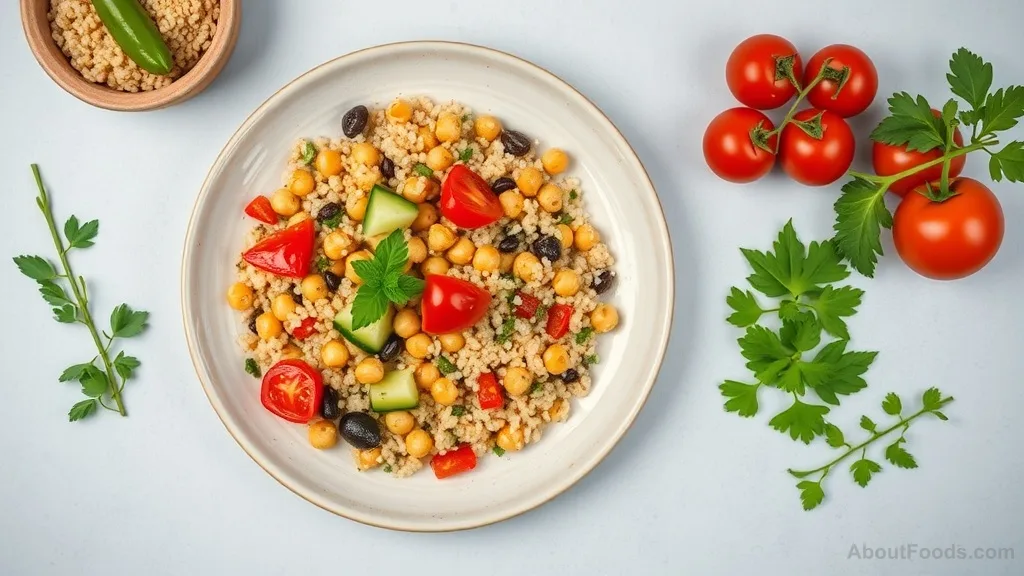
The Philosophy of Sustained Energy
In my kitchen in Provence, where the sun lingers and the earth gives generously, I have learned that energy is not about quick fixes or sudden bursts. It is about nourishment that flows steadily, like a river through the seasons. Nutrition experts understand this deeply—they look not for foods that shout with temporary vigor, but for those that whisper with enduring vitality. They seek ingredients that honor the body's natural rhythms, providing fuel that burns cleanly and lasts. This is not about chasing a fleeting high; it is about cultivating a grounded, sustainable vitality that carries you through your days with grace and resilience.
When experts evaluate foods for energy, they consider how each component interacts with your metabolism, your digestion, and even your mood. They look beyond mere calories to the quality of those calories—the fiber that slows absorption, the protein that builds and repairs, the fats that insulate and energize. It is a holistic approach, one that respects food as both science and soul. In this guide, I will share the principles that guide these experts, translated into simple, practical choices you can make in your own kitchen. Let us explore what truly makes a food worthy of being called an energy source.
The Three Pillars of Energy-Boosting Foods
Nutrition experts often speak of three fundamental qualities when selecting foods for energy: complexity, balance, and density. These are not abstract concepts but practical guides to everyday eating.
- Complexity refers to carbohydrates that break down slowly
- providing a steady release of glucose rather than a spike and crash. Think whole grains like oats or quinoa
- legumes like lentils
- and starchy vegetables like sweet potatoes.
- Balance means combining macronutrients—carbohydrates
- proteins
- and fats—in a way that sustains energy. A slice of toast alone may give a quick lift
- but add some avocado or an egg
Together, these pillars create a foundation for foods that not only provide immediate fuel but also support long-term vitality. Experts prioritize whole, minimally processed ingredients because they naturally embody these qualities. A handful of almonds, for instance, offers healthy fats, protein, and magnesium—a trifecta that sustains energy without overwhelming your system. In contrast, highly refined foods often lack this harmony, leading to the energy rollercoaster so many seek to avoid.
Key Ingredients Experts Prioritize
Based on these principles, certain foods consistently appear on experts' lists for energy. These are not exotic superfoods but humble, accessible ingredients that form the backbone of nourishing meals.
| Ingredient | Why Experts Choose It | Simple Way to Use It |
|---|---|---|
| Oats | Rich in complex carbohydrates and soluble fiber for slow energy release; contains B vitamins | As overnight oats with Greek yogurt and berries |
| Lentils | High in protein and iron, which supports oxygen transport in the blood; good fiber source | In a hearty soup with vegetables and herbs |
| Almonds | Provides healthy fats, protein, and magnesium for muscle function and energy metabolism | As a snack with an apple or in homemade trail mix |
| Sweet potatoes | Packed with complex carbs, vitamin A, and potassium for sustained energy and electrolyte balance | Roasted with olive oil and rosemary as a side dish |
| Spinach | High in iron and magnesium, crucial for energy production and reducing fatigue | Sautéed with garlic and added to omelets or grain bowls |
| Eggs | Complete protein source with B vitamins that help convert food into energy | Poached on whole-grain toast with avocado |
Notice how these ingredients are versatile and forgiving—they invite creativity rather than rigid rules. In my own cooking, I might toss lentils into a salad with lemon and herbs, or blend spinach into a smoothie with banana and almond milk. The goal is to incorporate them regularly, not perfectly. Experts emphasize variety, as different foods offer complementary nutrients that collectively support energy levels.
Common Mistakes to Avoid
Even with the best intentions, it is easy to stumble when seeking energy from food. Experts point out several common pitfalls that can undermine your efforts.
- Skipping meals or eating too infrequently
- which can lead to energy dips and overeating later.
- Relying on sugary snacks or refined carbs for quick energy
- causing spikes and crashes in blood sugar.
- Not drinking enough water
- as dehydration is a frequent and overlooked cause of fatigue.
- Overlooking healthy fats
- which are essential for long-lasting energy and nutrient absorption.
In my experience, the remedy lies in gentle awareness rather than strict avoidance. For example, if you crave something sweet in the afternoon, pair a piece of fruit with a few nuts to balance the natural sugars with fat and protein. Or, if you tend to forget meals, set a simple reminder or prepare snacks in advance. Experts advise listening to your body's hunger cues and eating mindfully, which helps you choose foods that truly sustain you rather than those that merely fill a void.
Building Energy-Boosting Meals
Translating these principles into daily meals is where the magic happens. Experts recommend a simple framework: aim for a balance of complex carbohydrates, lean protein, healthy fats, and colorful vegetables in each meal. This does not require precise measurements but rather an intuitive approach to composition.
These examples are templates, not rules. Feel free to swap ingredients based on what you have or crave—perhaps use lentils instead of chickpeas, or swap oats for another whole grain like barley. The key is to think in terms of combinations rather than isolated foods. As experts often say, it is the synergy of nutrients within a meal that creates the most reliable energy.
Quick Reference: Energy Food Cheat Sheet
Keep this cheat sheet handy—perhaps on your refrigerator or in a kitchen notebook. It is a gentle reminder of the principles we have discussed, distilled into actionable tips. Remember, the goal is not perfection but progress. Even small shifts, like adding a handful of spinach to your morning smoothie or choosing whole-grain bread, can make a noticeable difference in how you feel throughout the day.
Frequently Asked Questions
Can I eat fruit for energy, or is it too high in sugar?
Yes, fruit is an excellent choice for energy. While it contains natural sugars, it also provides fiber, vitamins, and antioxidants that slow sugar absorption. Pair it with a protein or fat source—like an apple with almond butter—for even more sustained energy.
How soon after eating should I feel more energetic?
With balanced meals containing complex carbs, protein, and fat, you might notice increased energy within 30 minutes to an hour, and it should last for several hours. If you feel sluggish soon after eating, consider adjusting your meal composition—perhaps you need more protein or fiber.
Are there specific foods to avoid for better energy?
Nutrition experts often suggest limiting highly processed foods, sugary drinks, and refined carbohydrates like white bread or pastries, as they can cause rapid spikes and drops in blood sugar. However, focus on adding nourishing foods rather than strict elimination.
Is caffeine a good source of energy?
Caffeine can provide a temporary boost in alertness, but it is not a substitute for nutrient-dense foods. Experts recommend using it in moderation and pairing it with food to avoid jitters or crashes. For sustained energy, prioritize whole foods over reliance on stimulants.
How can I maintain energy levels if I have a busy schedule?
Plan ahead by preparing simple meals or snacks in advance, such as overnight oats, hard-boiled eggs, or pre-cut vegetables with hummus. Keep portable options like nuts or whole fruit on hand. Eating regularly and staying hydrated are key strategies for busy days.
These questions reflect common curiosities and concerns. If you have others, remember that nutrition is personal—what works for one may differ for another. Start with these guidelines, observe how your body responds, and adjust as needed. The journey to sustained energy is not a straight path but a meandering one, full of discovery and adaptation.
Rate this article
No ratings yet. Be the first to rate it.

Written by
Elodie Laurent
Specialises in French cuisineElodie is a Parisian who moved to the countryside to make cheese. She names her goats after French philosophers.
Describe yourself in three words: Earthy, philosophical, smells faintly of chèvre.