High Protein
The AboutFoods Guide to High Protein
A serene exploration of protein-rich foods for everyday nourishment. Discover simple sources, practical pairings, and mindful approaches to building balanced meals.
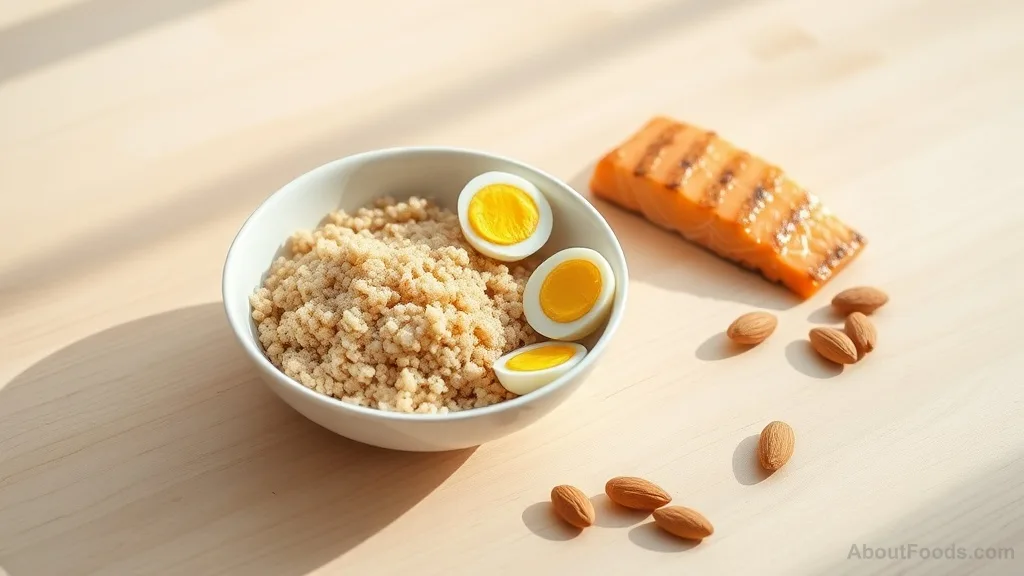
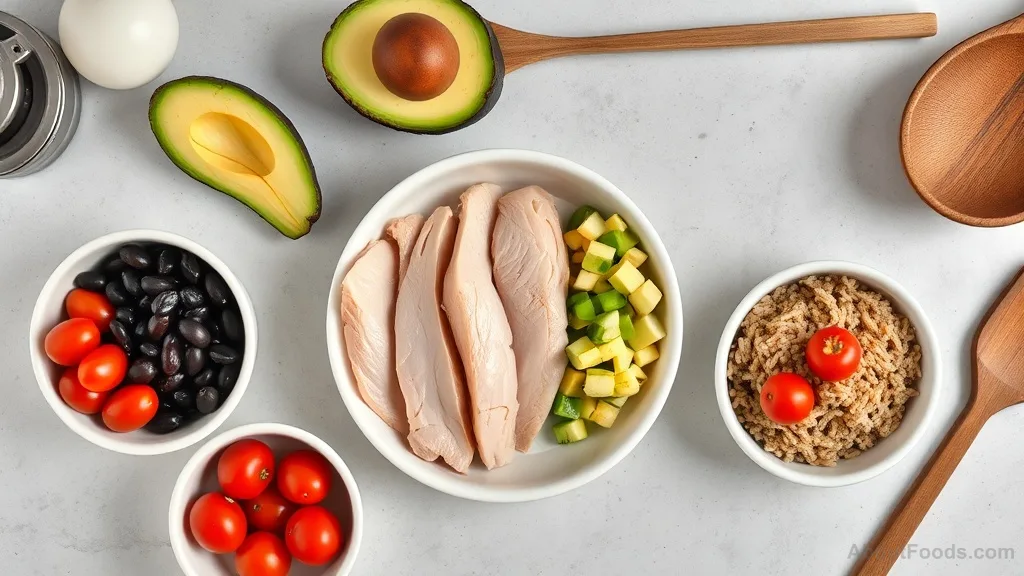
The Quiet Importance of Protein
Protein is the quiet foundation. Like tatami mats in a traditional room—unseen but essential for structure. It builds, repairs, maintains. Not with fanfare, but with steady presence. In our food, it provides satiety, balance, sustained energy. This guide is not about extremes or calculations. It is about recognizing good sources, understanding their nature, and incorporating them with intention.
We will walk through both animal and plant paths. Each has its place. The goal is nourishment, not dogma. Let us begin simply.
Animal Proteins: The Direct Path
Animal proteins are complete—containing all essential amino acids our bodies cannot make. They are dense, efficient. But like any strong element, they benefit from mindful pairing.
A common mistake: overcomplicating. A piece of simply grilled chicken with seasonal vegetables is complete. No need for elaborate sauces unless they bring joy. Remember: quality matters more than quantity. Choose sources you trust.
Plant Proteins: The Varied Garden
Plants offer protein with diversity—fibers, vitamins, textures. Most are incomplete alone, but combined throughout the day, they form a complete picture. Like stones in a zen garden, each has its place.
For completeness, pair grains with legumes—rice and beans, quinoa and chickpeas. But do not stress over single meals. The body collects amino acids throughout the day.
Building a Protein-Rich Meal: Simple Patterns
Structure brings calm. Follow these patterns, then adapt with what you have. Each includes protein, plus supporting elements.
Example: A bowl with quinoa, black beans, roasted sweet potatoes, avocado, and pumpkin seeds. Or a plate with salmon, steamed broccoli, and a small portion of brown rice. Keep colors varied, textures interesting.
Common Mistakes and How to Avoid Them
Practical Kitchen Tips
A calm kitchen supports calm eating. These tips reduce effort, increase consistency.
Remember: Protein does not need to be center stage every meal. Sometimes it is a supporting actor—a handful of beans in soup, a sprinkle of seeds on salad.
Frequently Asked Questions
Rate this article
No ratings yet. Be the first to rate it.
Written by
Ren Tanaka
Specialises in Japanese cuisineRen is a quiet ramen master who sharpens his own knives and meditates before slicing negi. He doesn't own a microwave.
Describe yourself in three words: Minimalist, serene, occasionally cryptic.