Meal Prep
Affordable Meal Prep Ideas for Real Kitchens
Discover minimalist, budget-friendly meal prep strategies that work in everyday kitchens. Learn how to create nourishing meals with simple ingredients and efficient techniques.
The Empty Bowl Philosophy
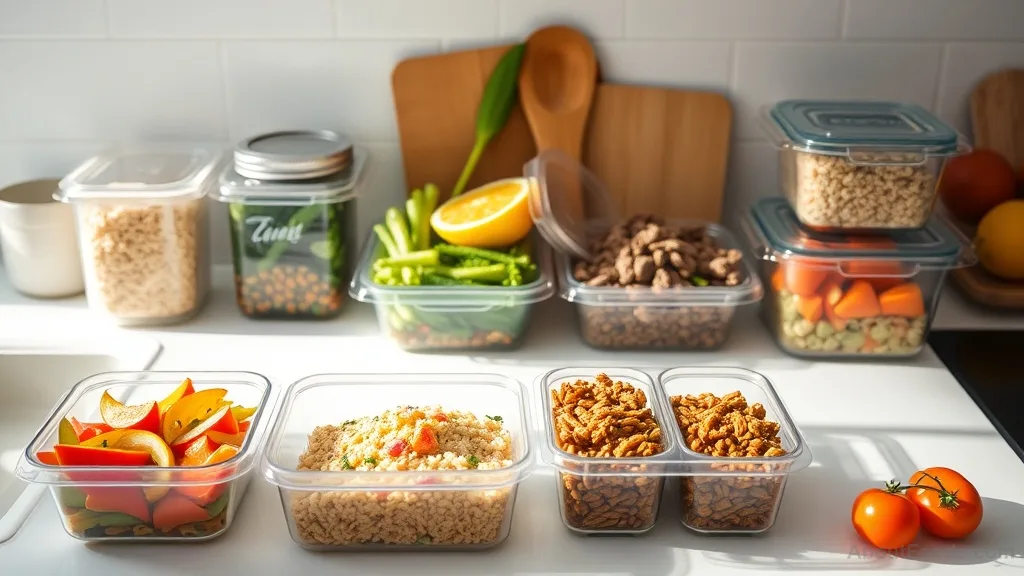
In my grandmother's kitchen in Kyoto, we never spoke of 'meal prep.' We spoke of readiness. The rice cooker was always full. The miso paste waited in its ceramic crock. Vegetables rested in cold water, crisp and patient. This is not about complicated systems or expensive containers. It is about creating space for nourishment to happen naturally. When your kitchen contains prepared elements, meals assemble themselves like stones finding their place in a stream.
Affordable meal preparation begins with accepting what you have. A real kitchen might have limited counter space, one good knife, and a stove that heats unevenly. These are not obstacles. They are the conditions of your practice. Work with them, not against them. The most expensive ingredient in any kitchen is wasted food. The most valuable tool is attention.
Five Foundation Ingredients for Endless Meals
Complexity costs money. Simplicity saves it. These five humble ingredients, when prepared in bulk, can become dozens of different meals throughout your week. They store well, cost little, and nourish deeply.
Notice that none of these require special equipment. A pot, a knife, a baking sheet. That is all. When you focus on mastering these basics, you build a culinary foundation that withstands any budget constraints.
The Sunday Rhythm: A Minimalist Preparation Session
In Japan, we have a saying: 'Even the longest journey begins with a single step.' Your meal prep journey begins with ninety minutes on a Sunday afternoon. Not four hours. Not a full day. Ninety focused minutes. This is not about exhaustion. It is about intention.
The secret is parallel processing. While the rice cooks, you chop. While vegetables roast, you prepare containers. This is not multitasking—it is flow. Each action supports the next, like breaths in meditation.
Assembly, Not Recipe: How to Build Meals from Components
Western cooking thinks in recipes. Eastern cooking thinks in components. This distinction saves both money and mental energy. Instead of preparing five complete meals, prepare five components that can be combined in different ways.
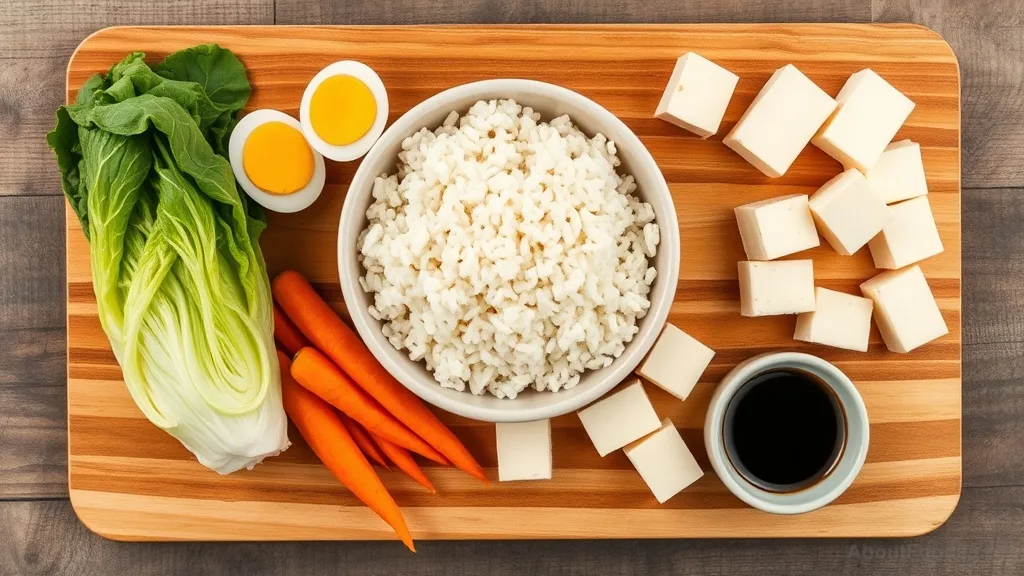
With just these components, you can create: rice bowl with cabbage and egg; potato hash with onions and tofu; bean salad with carrots and vinaigrette. The combinations shift with your hunger, not with your shopping list.
Common Mistakes and How to Avoid Them
The most common mistake is believing you must do everything perfectly. My grandmother would smile at this. In her kitchen, we used slightly wrinkled vegetables, rice that was sometimes too soft, eggs that peeled imperfectly. The food was still nourishing. Still delicious. Perfection is not the goal. Nourishment is.
Adapting to Your Kitchen's Reality
Your kitchen speaks to you in the language of limitations. Small refrigerator? Focus on shelf-stable components. Limited time? Choose ingredients that require minimal preparation. This is not compromise. This is wisdom.
In traditional Japanese homes, the kitchen is often the smallest room. Yet it produces the most important things. Size does not determine capability. Attention does.
Questions from Real Kitchens
Rate this article
No ratings yet. Be the first to rate it.
Written by
Ren Tanaka
Specialises in Japanese cuisineRen is a quiet ramen master who sharpens his own knives and meditates before slicing negi. He doesn't own a microwave.
Describe yourself in three words: Minimalist, serene, occasionally cryptic.