Whole Grains
The Best Whole Grains Foods to Keep on Hand: A Pantry Staples Guide
Stocking a variety of whole grains in your pantry makes healthy, delicious meals effortless. This guide covers the top whole grains to keep on hand, their unique benefits, and how to cook and use them.
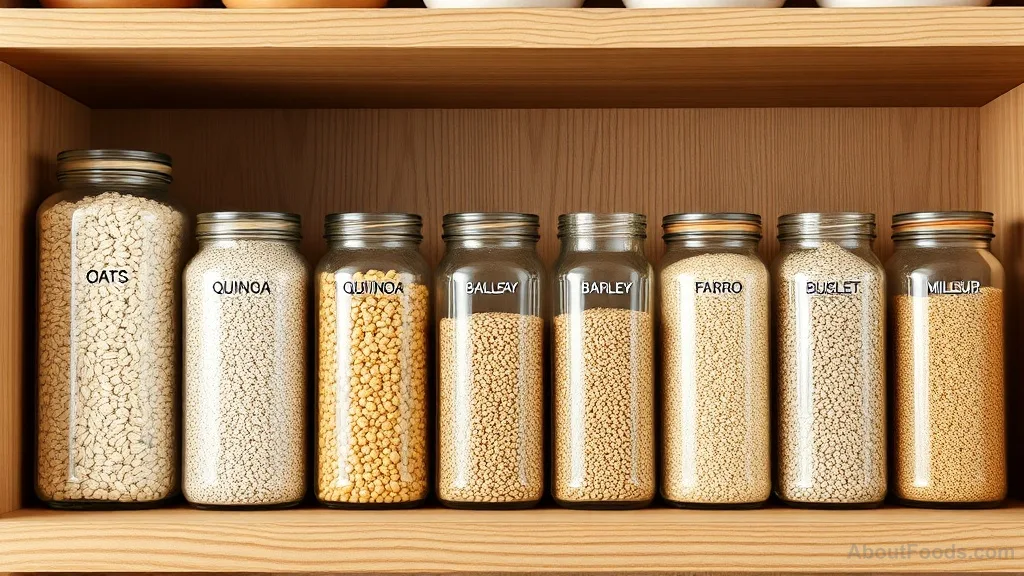
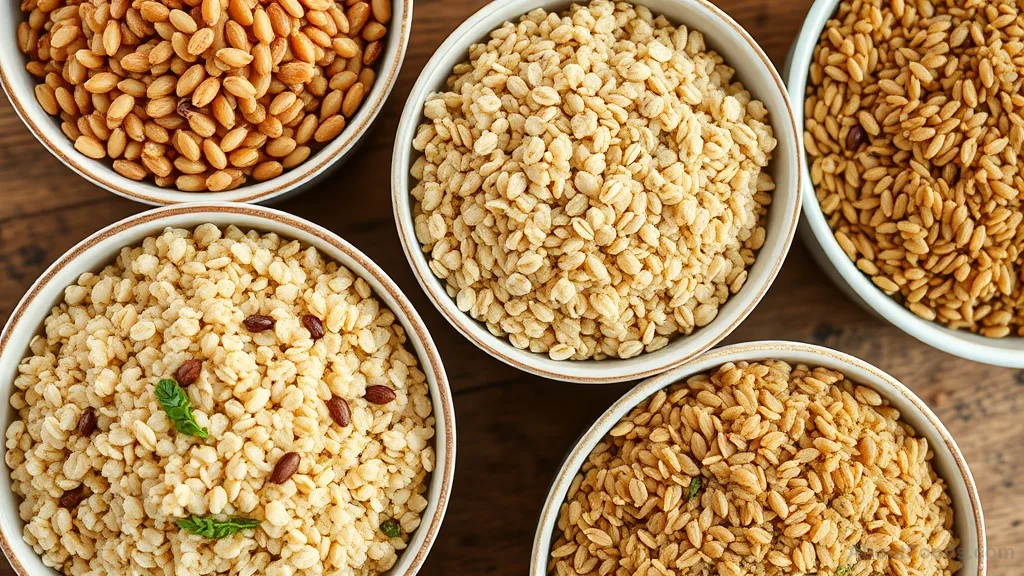
Why Whole Grains Belong in Your Pantry
Whole grains are the unsung heroes of a well-stocked kitchen. They're nutritious, affordable, and incredibly versatile. Having a variety on hand means you can whip up breakfast bowls, hearty salads, cozy soups, and satisfying sides without a last-minute trip to the store. Let me repeat that — whole grains give you instant meal flexibility.
From my Indian kitchen to yours, I've learned that grains are the foundation of everyday cooking. In this guide, I'll share the whole grains I always keep in my pantry, along with tips on how to cook and use them. Think of this as your friendly checklist for building a wholesome, practical grain stash.
The All-Stars: Whole Grains You Should Always Stock
Not all grains are created equal. Some are quick-cooking, others have a chewy texture, and some shine in specific dishes. Here are the ones I consider indispensable — each with a distinct personality and a slew of meal possibilities.
Keep in mind that cooking times vary by brand and desired tenderness. Always check the package, and feel free to adjust — I often soak grains overnight to reduce cooking time, especially for brown rice and barley.
How to Cook Whole Grains Perfectly Every Time
Cooking whole grains isn't hard, but a little technique goes a long way. The general rule is to combine grains with water or broth in a pot, bring to a boil, then simmer covered until tender. But let's dive a bit deeper.
- Rinse grains like quinoa
- millet
- and amaranth before cooking to remove bitter saponins or debris.
- Toast grains in a dry pan for 2–3 minutes before adding liquid — this enhances their nutty flavor. Try it with farro or buckwheat
- you'll taste the difference.
- Use a 2:1 liquid-to-grain ratio for most grains
- but check the package. Brown rice might need more (2.5:1)
- while bulgur uses less (1.5:1).
Once you master the basics, you can experiment with different liquids — coconut milk for creamy porridge, or vegetable broth for savory pilafs. The possibilities are endless!
Creative Ways to Use Whole Grains in Everyday Meals
Whole grains aren't just for breakfast or side dishes. They can star in almost any meal. Here are some of my favorite ways to use them, from morning to night.
Common Mistakes When Storing and Cooking Whole Grains
Even seasoned cooks sometimes make errors with whole grains. Let's troubleshoot a few common ones — and remember, I've made them all, so you're in good company.
- Mistake: Not storing grains properly. Whole grains contain natural oils that can go rancid. Keep them in airtight containers in a cool
- dark place. For long-term storage
- refrigerate or freeze — especially oats
- brown rice
- and quinoa.
- Mistake: Undercooking or overcooking. Grains like brown rice and farro can be tricky. Use the absorption method and resist the urge to peek. If undercooked
- add a splash more liquid and cook a few extra minutes.
- Mistake: Using the wrong grain for the dish. Pearled barley cooks faster than hulled barley and is better for soups
Avoid these pitfalls and you'll be cooking perfect grains in no time. And if you do mess up? Turn it into a creamy porridge by adding extra liquid — problem solved!
How to Build Your Whole Grain Pantry on a Budget
Stocking up on whole grains doesn't have to be expensive. In fact, they're among the most cost-effective staples you can buy. Here's how to fill your pantry without breaking the bank.
- Buy in bulk: Many grocery stores and co-ops sell grains from bins. You can buy just what you need or save by purchasing larger quantities. Bulk bins are often cheaper than packaged versions.
- Stick to basics: Start with the most affordable grains like rolled oats
- brown rice
- and whole wheat flour. These are incredibly versatile and have a low price per serving.
- Look for sales and store brands: Grains often go on sale. Store brands are typically just as good as name brands — I've found excellent quality from store labels.
- Grow your own? No
- that's a stretch
- but you can sprout grains at home for extra nutrition. Sprouted grains like wheat berries are easy to sprout and add to salads or breads.
Frequently Asked Questions About Whole Grains
Putting It All Together: Your Pantry Whole Grains Checklist
With this checklist, you're set for months of healthy, varied meals. Start with a few grains that excite you, experiment with recipes, and expand your stash over time. Your future self will thank you when you're just 15 minutes away from a delicious grain bowl.
Rate this article
No ratings yet. Be the first to rate it.

Written by
Ravi Sharma
Specialises in Indian cuisineRavi is a former IT consultant who now runs a popular YouTube channel called 'Dal-vid'. His tarka technique is flawless.
Describe yourself in three words: Enthusiastic, pun-loving, explains everything twice.