Fermented Foods
Fermented Foods Essentials: Your Guide to Easier, Flavor-Packed Meal Planning
Discover how to incorporate fermented foods into your weekly meal planning for better flavor, gut health, and kitchen efficiency. This guide covers essential fermented staples, simple recipes, and practical tips to make these probiotic powerhouses a regular part of your cooking routine.
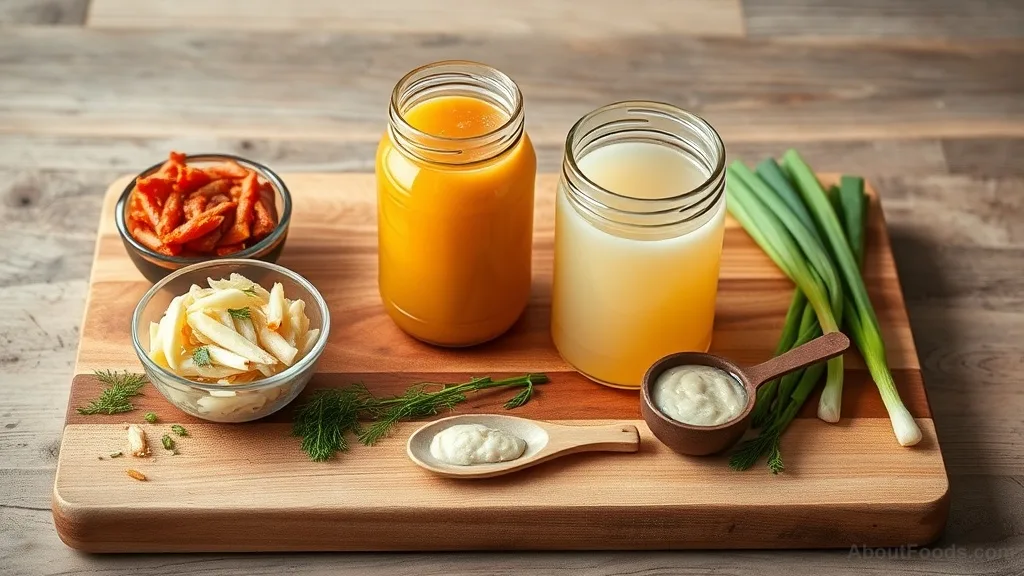
Why Fermented Foods Belong in Your Meal Plan
Now, I'm a brisket man through and through—slow-smoked, tender, the kind that makes you close your eyes and just breathe it in. But let me tell you, even the best brisket needs a little tang to cut through the richness. That's where fermented foods come in. They're not just health buzzwords; they're flavor powerhouses that can transform your cooking from routine to remarkable. When you start thinking about meal planning, incorporating fermented foods means you're building meals with depth, probiotics for your gut, and ingredients that keep well in the fridge. It's about working smarter, not harder, in the kitchen.
- Add complex
- tangy flavors without extra prep time
- Support gut health naturally with probiotics
- Extend the shelf life of meals with preserved ingredients
- Reduce food waste by using versatile staples
The Essential Fermented Foods for Your Pantry
You don't need a cellar full of crocks to get started. Focus on a few key players that are easy to find and even easier to use. Think of these as your fermented foundation—the items that'll show up in your meal plan week after week, adding that slow-cooked flavor without the wait.
| Food | Best Uses | Storage Tips |
|---|---|---|
| Sauerkraut | Topping for sausages, salads, grain bowls | Keep refrigerated, lasts 4-6 months |
| Kimchi | Rice dishes, soups, tacos, scrambled eggs | Refrigerate tightly sealed, 3-4 months |
| Miso Paste | Soups, marinades, dressings, glazes | Refrigerate in airtight container, 6-12 months |
| Plain Yogurt | Breakfast bowls, sauces, baking, smoothies | Refrigerate, use within 2-3 weeks |
| Kombucha | Drink as is, use in vinaigrettes | Refrigerate unopened, 2-3 months |
| Tempeh | Stir-fries, sandwiches, crumbled as meat substitute | Refrigerate, use within 10 days or freeze |
How to Build Meals Around Fermented Staples
Planning meals with fermented foods is like building a good smoke ring—it's all about layers. Start with your protein and grains, then think about where that tangy kick can elevate things. Maybe it's a spoonful of kimchi on your rice bowl, or a miso glaze on your salmon. The key is to treat these fermented items as ingredients, not just sides.
Simple Recipes to Get You Started
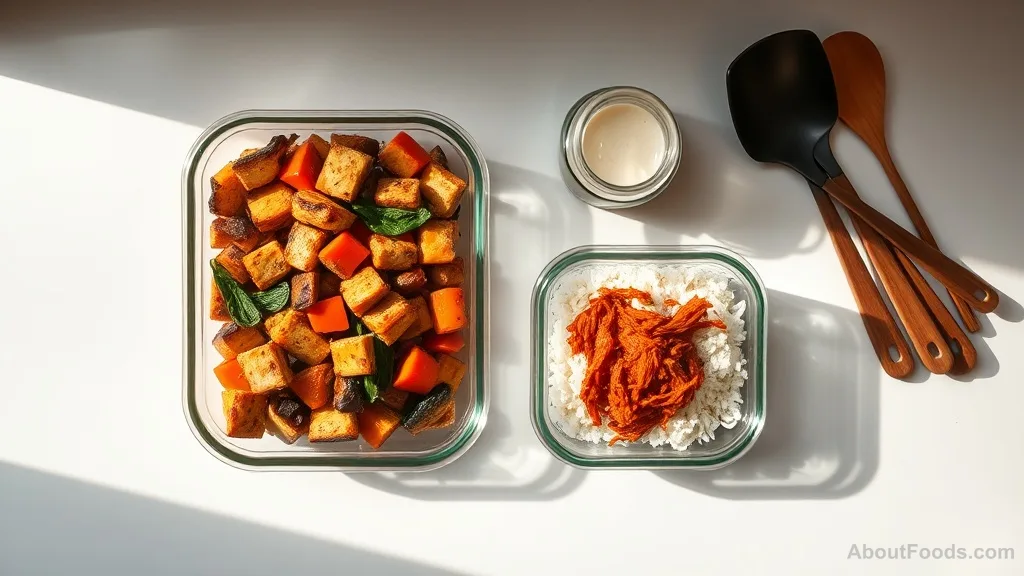
You don't need fancy techniques—just good ingredients and a little know-how. Here are two dead-simple recipes that'll make fermented foods a regular part of your rotation.
Common Mistakes to Avoid
Even the most seasoned cooks can stumble when introducing new ingredients. Here's what to watch out for so your fermented food journey stays smooth.
- Overheating fermented foods: High heat can kill beneficial bacteria. Add yogurt or sauerkraut at the end of cooking.
- Using too much: Fermented foods are potent. Start with small amounts and adjust to taste.
- Poor storage: Always refrigerate after opening and use clean utensils to prevent contamination.
- Ignoring expiration dates: While fermented foods last
- they do eventually lose potency and flavor.
FAQs About Fermented Foods and Meal Planning
How much fermented food should I eat daily?
Aim for 1-2 servings per day—like a tablespoon of sauerkraut or a cup of yogurt. Listen to your body and adjust based on how you feel.
Can I make my own fermented foods easily?
Absolutely. Start with simple recipes like sauerkraut or pickles. All you need is salt, vegetables, and a clean jar. It's slower than brisket, but just as rewarding.
Are fermented foods safe for everyone?
Most people tolerate them well, but if you have specific health conditions or are new to probiotics, introduce them gradually. Consult a healthcare provider if you have concerns.
How do I know if fermented food has gone bad?
Look for mold, off smells, or discoloration. Trust your senses—if it doesn't look or smell right, it's better to toss it.
Rate this article
No ratings yet. Be the first to rate it.

Written by
Mason Walker
Specialises in American cuisineMason Walker makes barbecue brisket that takes 16 hours. He sleeps next to the smoker.
Describe yourself in three words: Smoky, slow, brisket loyalist.