High Protein
High Protein: The Everyday Food List You Will Actually Use
A practical, plant-forward guide to the best high-protein foods for everyday eating—from kitchen staples to quick meals—curated for real life.
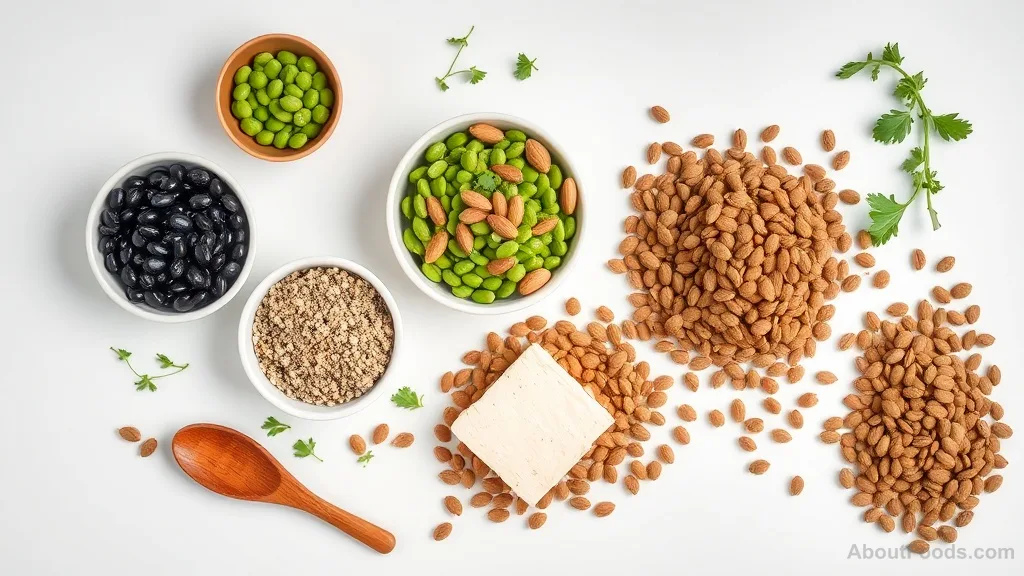
Why This List Is Different
Forget complicated meal plans and obscure superfoods. This high-protein food list is built around ingredients you can find at any grocery store, use in multiple meals, and actually enjoy eating. Whether you're plant-based or just looking to add more vegetarian protein sources to your rotation, these everyday foods deliver protein without the fuss.
I've organized them by how you'd use them in your kitchen: beans and legumes, whole grains, soy foods, nuts and seeds, and even a few vegetables that pack a surprising punch. Each entry includes roughly how much protein you get per serving and a simple way to eat it today.
Beans and Legumes: The Protein Powerhouses
Beans and lentils are the cornerstone of high-protein plant-based eating. They're also packed with fiber, iron, and complex carbohydrates for lasting energy. Here are the everyday winners:.
Soy Foods: Complete Proteins
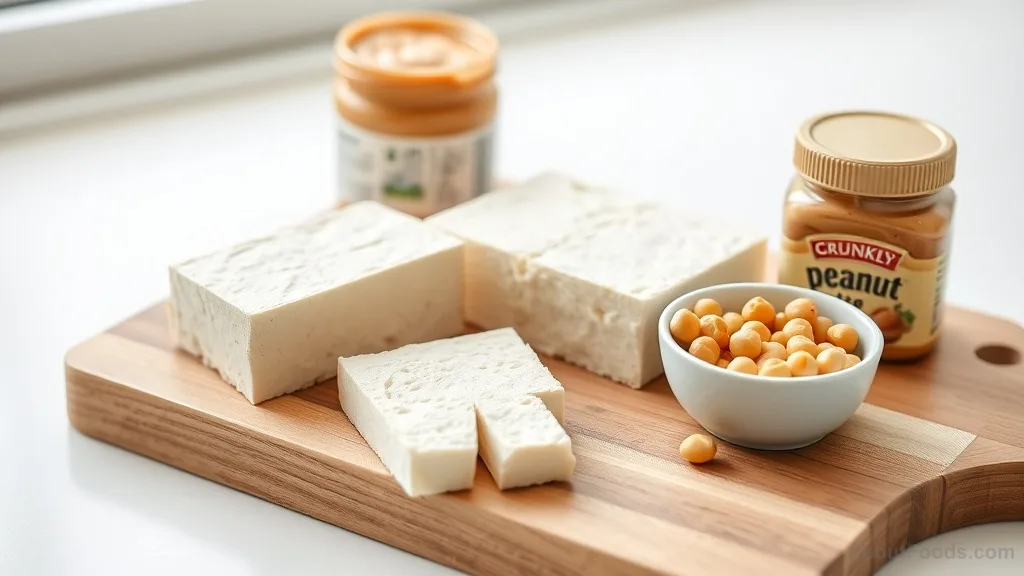
Soy is one of the few plant foods that supplies all nine essential amino acids, making it a complete protein—just like animal products. And it's incredibly versatile.
- <strong>Tofu</strong> (firm or extra-firm): ~20 g protein per cup. Use it in stir-fries
- scramble it for breakfast
- or bake it until crispy. Absolutely neutral flavor so it absorbs whatever you marinate it in.
- <strong>Tempeh</strong>: ~31 g protein per cup (it's denser). Fermented
- nutty
- and works beautifully crumbled in chili or sliced thin and pan-seared with soy sauce.
- <strong>Edamame</strong> already listed above
- but worth calling out: these young soybeans are a shortcut protein—pop them out of their pods as a snack or toss shelled ones into grain bowls.
Protein-Rich Whole Grains
Not all grains are created equal when it comes to protein. Some are true standouts and can easily add a boost to any meal.
- <strong>Quinoa</strong>: 8 g protein per cup (cooked). A complete protein grain with a fluffy texture. Use as a rice replacement
- in salads
- or as a hot breakfast porridge with fruit.
- <strong>Farro</strong>: 6 g per cup. Chewy and delicious in salads or soups.
- <strong>Amaranth</strong>: 9 g per cup. Tiny seeds like quinoa
- great cooked into a creamy hot cereal or added to stews.
Nuts and Seeds: Small but Mighty
Don't underestimate these little protein sources. They're calorie-dense, so a little goes a long way, but they also deliver healthy fats and minerals.
Protein-Boosting Vegetables
Yes, veggies have protein too! While they can't be your only source, they definitely help you hit your daily numbers.
- Green peas: 8 g protein per cup. Simple: toss into pasta or enjoy on their own.
- Spinach: 5 g per cup (cooked). Sauté with garlic for an easy side.
- Broccoli: 4 g per cup (cooked). Sounds small
- but when you eat a few cups with dinner
- it adds up.
Pantry Staples Reminder
Some kitchen workhorses that people forget are protein sources: nutritional yeast (3 g per tablespoon), whole-wheat pasta (7 g per cup cooked), and even oatmeal (5 g per cup cooked). Small additions throughout the day make a big difference.
One of the easiest high-protein swaps? Use chickpea or lentil pasta instead of regular. They're widely available now and pack around 11-13 g protein per serving.
Common Mistakes to Avoid
- Relying on only one source of plant protein. Rotate beans
- soy
- seeds
- and grains for varied amino acids and nutrients.
- Ignoring the 'protein density' of processed meat substitutes. They can be convenient but often have less protein than whole-food options like tempeh or lentils.
- Not eating enough volume. Plant proteins are often diluted with water and fiber
- you often need larger portions than you'd think. A cup of beans is a serving
- not a few tablespoons.
Your Everyday High-Protein Meal Ideas
Let's put this list into action with simple meal combos:.
- <strong>Breakfast</strong>: Oatmeal made with plant milk
- topped with hemp seeds
- almonds
- and sliced banana. (~20 g protein)
- <strong>Lunch</strong>: Quinoa bowl with chickpeas
- sautéed spinach
- and lemon-tahini dressing. (~25 g protein)
- <strong>Dinner</strong>: Stir-fried tofu and broccoli with brown rice and a teriyaki-style sauce. (~30 g protein)
FAQ: Quick Answers to Common Questions
Rate this article
No ratings yet. Be the first to rate it.

Written by
Maya Green
Specialises in Vegan Plant Based Global cuisineMaya went vegan after watching a documentary in 2018 and hasn't shut up about cashew cream since. Her food is actually incredible.
Describe yourself in three words: Passionate, evangelical about plants, loving.