High Protein
High Protein Picks Worth Adding to Your Grocery List
As someone who values efficiency and practicality in the kitchen, I've curated a list of high-protein foods that deliver maximum nutrition with minimal fuss. These picks are freezer-friendly, versatile, and grounded in real kitchen application. Build a smarter grocery list with these protein-rich staples.
Why Protein Matters in a Practical Kitchen
In Russia, we understand efficiency—food should nourish without wasting time or resources. Protein is not just a trend; it's the foundation of satisfying meals that keep you energized. As a freezer queen, I prioritize foods that store well and perform multiple roles. This list focuses on picks that deliver reliable protein content, freeze beautifully, and adapt to various dishes without complicated preparation.
- Protein supports muscle maintenance and keeps you full longer
- High-protein foods often have longer shelf lives
- reducing waste
- Versatile proteins simplify meal planning and prep
Animal-Based Protein Picks: Efficient and Freezer-Friendly
For those who include animal products, these selections offer concentrated protein with minimal processing. I emphasize options that freeze well and cook quickly.
| Pick | Protein per Serving | Key Benefits | Freezer Tip |
|---|---|---|---|
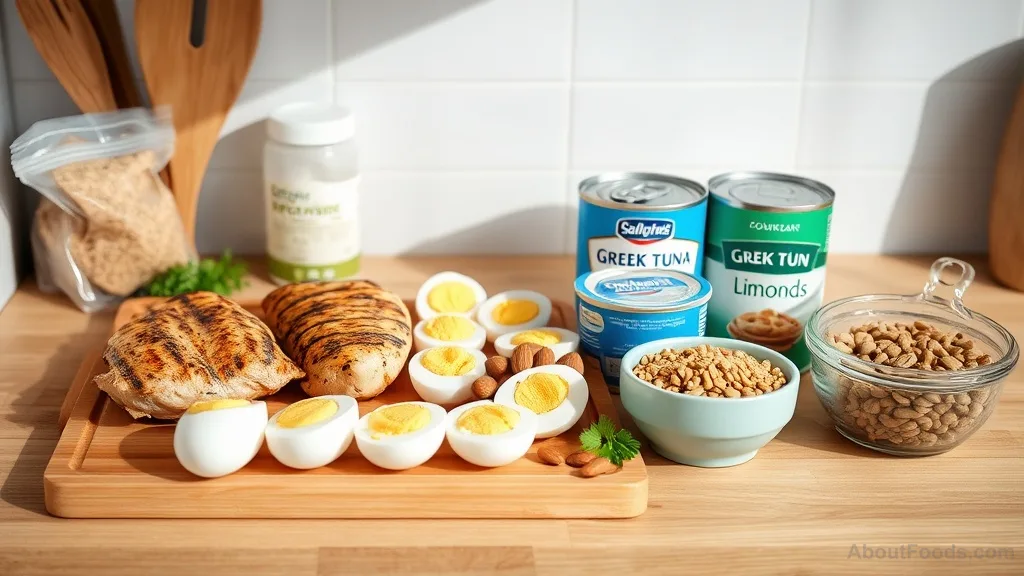
| Chicken Breast | 31g per 100g cooked | Lean, versatile, quick-cooking | Portion raw breasts in freezer bags; thaw overnight |
| Eggs | 6g per large egg | Budget-friendly, binds dishes | Hard-boil and peel before freezing for salads |
| Canned Fish (Tuna/Salmon) | 20-25g per can | Shelf-stable, no cooking needed | Buy in water or olive oil; drain before use |
| Greek Yogurt | 17g per 170g cup | Creamy, probiotic-rich | Freeze in ice cube trays for smoothies |
Common mistake: Overcooking lean meats like chicken, which dries them out. Cook to 165°F (74°C) and let rest. For canned fish, opt for varieties packed in water or olive oil to avoid excess sodium.
Plant-Based Protein Picks: Sturdy and Versatile
Plant proteins are economical and store exceptionally well. From my experience, they form the backbone of many efficient meals.
Tip: Rinse lentils and quinoa before cooking to remove bitterness. For tofu, freezing changes its texture to a more meat-like consistency—ideal for absorbing marinades.
Dairy and Pantry Staples: The Supporting Cast
These items round out your protein intake with convenience. They require little preparation and integrate seamlessly into daily eating.
- Cottage Cheese: 14g protein per ½ cup. Eat plain
- blend into dips
- or add to pancakes.
- Nuts and Seeds: Almonds offer 6g protein per ounce. Keep raw varieties in the freezer to prevent rancidity.
- Protein Powders (optional): 20-25g per scoop. Choose unflavored types to mix into oatmeal or baked goods without sweetness.
Storage note: Dairy products like cottage cheese freeze poorly in texture but can be used in cooked dishes after thawing. Nuts maintain quality in the freezer for up to a year.
How to Build Your Grocery List: A Stoic Approach
Efficiency means buying what you'll actually use. Base your list on meals you enjoy, and prioritize items with multiple applications.
Allocate about 30% of your grocery budget to protein sources. Buy in bulk when items are on sale and freeze immediately. This reduces trips and costs over time.
Meal Prep Strategies for Maximum Efficiency
Prepare proteins in batches to save time during the week. Focus on methods that preserve flavor and texture.
- Cook chicken breasts in a single pan with basic seasoning
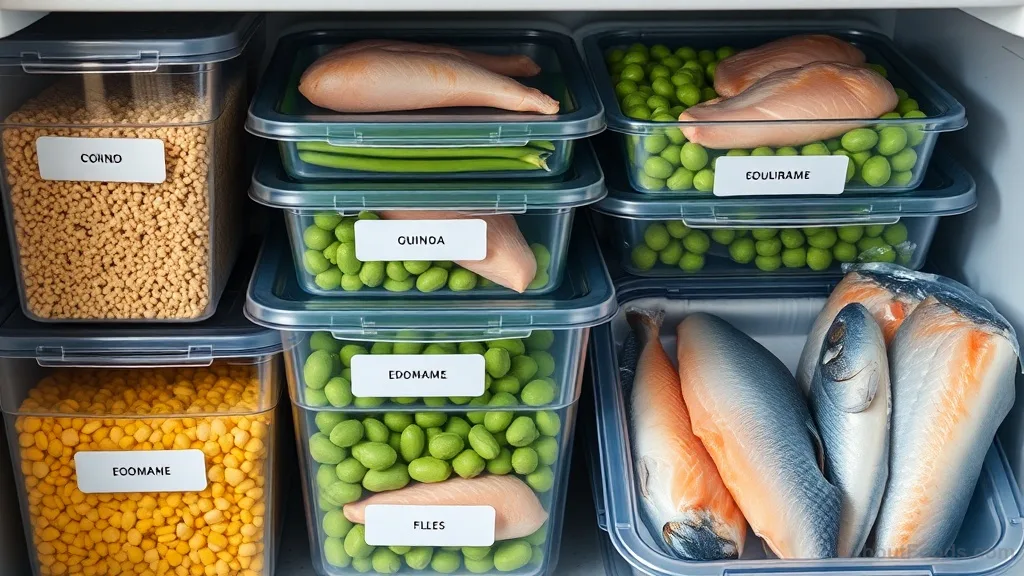
- slice and freeze in portions.
- Hard-boil a dozen eggs at once
- store peeled in water in the refrigerator.
- Batch-cook lentils and quinoa
- cool completely before freezing in airtight containers.
- Marinate tofu cubes and bake a large tray
- freeze for quick additions to stir-fries.
Timing tip: Dedicate 1-2 hours on weekends for protein prep. Use simple seasonings—salt, pepper, garlic—to keep options versatile. Label freezer containers with dates to track freshness.
FAQs: Practical Answers to Common Questions
How much protein do I need daily?
General guidelines suggest 0.8 grams per kilogram of body weight, but needs vary by activity level. Focus on including a protein source in each meal rather than counting grams obsessively.
Can I freeze cooked beans for protein?
Yes, cooked beans like black beans or chickpeas freeze well for up to 6 months. Portion them in liquid to prevent drying out.
What's the best budget-friendly protein?
Eggs and lentils offer the most protein per dollar. Buy in bulk and utilize frozen options like edamame to stretch your budget.
How do I prevent freezer burn on proteins?
Use airtight containers or vacuum-seal bags, remove excess air, and label with dates. Consume within 3-6 months for optimal quality.
Are protein powders necessary?
No, they are a convenience item. Whole foods provide additional nutrients. Use powders only if you struggle to meet needs through meals.
Rate this article
No ratings yet. Be the first to rate it.

Written by
Anya Ivanov
Specialises in Russian cuisineAnya makes pelmeni in batches of 500. She says freezing them is the only way to survive winter.
Describe yourself in three words: Stoic, efficient, freezer queen.