Meal Prep
Meal Prep Essentials: Your No-Nonsense Guide to Easier Meal Planning
Discover the kitchen tools and pantry staples that will transform your meal planning from a chore to a delight. This practical guide covers everything from storage solutions to time-saving techniques, all with a touch of Yorkshire practicality.
Why Proper Meal Prep Makes All the Difference
Let's be honest—without the right approach, meal planning can feel about as enjoyable as watching your Yorkshire pudding deflate. But here's the thing: with the proper essentials in place, it transforms from a weekly burden into what it should be—a simple, satisfying ritual that saves you time, money, and countless last-minute dashes to the shops. I've learned through years in British kitchens (and plenty of trial and error) that good meal prep isn't about perfection; it's about having the right tools and systems so you can focus on what matters: putting decent food on the table without the drama.
Think of this guide as your practical companion. We're not after Instagram-worthy perfection here—we're after the roasty, grounded approach that actually works when life gets busy. Whether you're feeding a family or just yourself, these essentials will help you waste less food, eat better, and reclaim those precious evening hours.
The Container Collection: Your Storage Arsenal
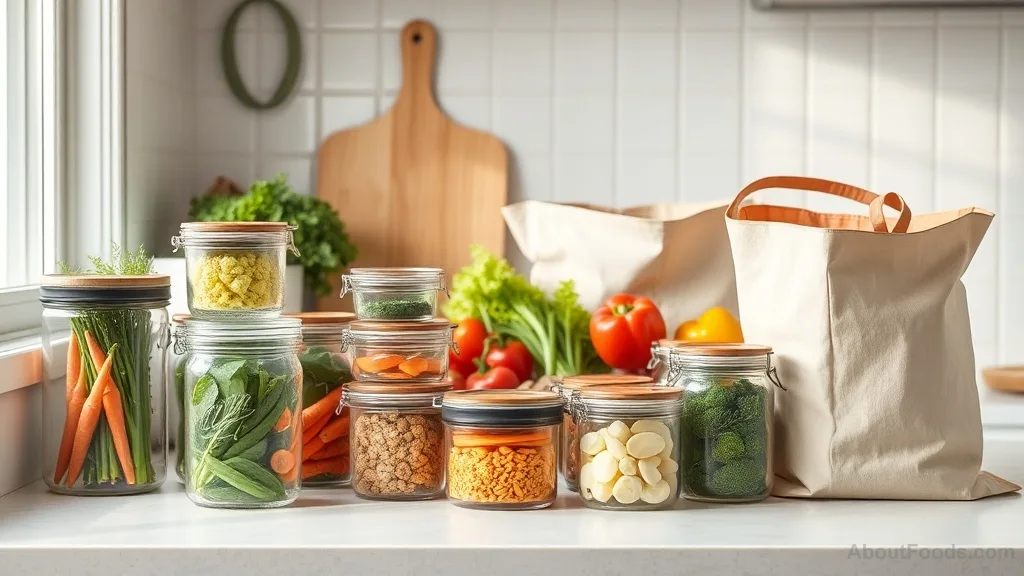
If there's one thing I've learned from proper British pantry management, it's that good containers are worth their weight in gold. You don't need a museum collection—just a practical selection that covers your bases.
- **Glass containers with airtight lids**: These are your workhorses. Look for oven-safe
- freezer-safe varieties in 2-4 cup sizes. They stack neatly and won't stain from tomato-based sauces.
- **Mason jars (various sizes)**: Perfect for overnight oats
- salad dressings
- pre-chopped veggies
- or storing broth. The 16-ounce size is particularly versatile.
- **Reusable silicone bags**: Lighter than containers and perfect for marinating proteins or storing pre-portioned snacks.
- **Large batch containers**: One or two 8-cup containers for big batches of soups
Essential Kitchen Tools That Actually Earn Their Keep
A Yorkshire cook knows that fancy gadgets gather dust while simple, quality tools do the real work. Here are the pieces that will make your prep time efficient rather than exhausting.
| Tool | Why It's Essential | Practical Tip |
|---|---|---|
| Chef's knife (8-inch) | Your primary chopping workhorse. A sharp, comfortable knife makes all prep faster and safer. | Keep it sharp with a honing steel before each use—dull knives are dangerous. |
| Cutting boards (2 minimum) | One for produce, one for proteins to prevent cross-contamination. Wood or thick plastic works best. | Designate boards by color if possible—it becomes second nature. |
| Large sheet pans | For roasting vegetables and proteins in batches. The 18x13 inch size is perfect for most ovens. | Line with parchment paper for easy cleanup and to prevent sticking. |
| Quality vegetable peeler | Makes quick work of carrots, potatoes, and other root vegetables. A Y-peeler often works best. | Choose one with a comfortable grip—your wrists will thank you. |
| Digital kitchen scale | For consistent portioning and following recipes accurately. More reliable than volume measurements. | Use for dividing bulk purchases into meal-sized portions. |
| Large mixing bowls | For tossing salads, marinating proteins, or mixing grain bowls. Stainless steel is lightweight and durable. | Have at least three sizes: small, medium, and large (8-quart). |
Notice what's not on this list? Single-use gadgets. A good knife and a few solid tools will serve you better than a drawer full of specialized equipment you'll use once a year.
Pantry Staples: The Foundation of Flexible Meals
No proper British kitchen is complete without a well-stocked pantry. These are the ingredients that let you throw together a meal even when the fresh supplies are running low. Keep these basics on hand, and you'll always have options.
A quick note from the gravy boat: while fresh herbs are lovely when available, having these dried basics means you're never starting from zero. They keep for months in proper storage and can elevate even the simplest dishes.
The Practical Prep Schedule That Actually Works
Here's where many meal prep guides go wrong—they assume you have entire Sundays free. Life's rarely that accommodating. Instead, try this flexible approach that works around real schedules.
- **Friday evening**: 15 minutes. Check what you have
- make a rough plan for the week
- and write your shopping list. Be realistic about your schedule.
- **Saturday morning**: 90 minutes max. Shop for the week. Stick to your list to avoid impulse buys.
- **Sunday afternoon**: 2-3 hours. Your main prep session. Wash and chop vegetables
- cook grains
- prepare proteins
- make dressings or sauces.
The key is flexibility. Some weeks you'll do it all on Sunday. Other weeks, you'll prep in smaller bursts. Both approaches work if you have the right systems in place.
Common Pitfalls and How to Avoid Them
Even with the best intentions, meal prep can go sideways. Here are the mistakes I've made (so you don't have to) and how to steer clear.
- **Over-ambitious planning**: Starting with seven completely different meals is a recipe for burnout. Begin with 3-4 core components that can mix and match.
- **Skipping the inventory check**: Before you shop
- check what you already have. That half-bag of rice and those lentils in the back need using up first.
- **Neglecting texture**: Everything prepped in advance can become mushy. Keep some elements crisp by storing separately (like dressings apart from salads).
- **Forgetting the freezer**: Your freezer is your friend. Portion and freeze extras immediately—future you will be grateful.
- **Using the wrong containers**: That takeaway container might seem fine
- but it won't seal properly. Invest in proper airtight storage—it pays off in reduced food waste.
Remember: meal prep should make life easier, not create more stress. If a system isn't working, adjust it. The goal is practical nourishment, not Pinterest perfection.
Putting It All Together: A Sample Week
Let's make this concrete. Here's how these essentials come together in a practical week. This isn't a rigid prescription—it's an example of the flexibility good systems provide.
| Prep Component | How to Store | Meal Ideas |
|---|---|---|
| 2 cups cooked quinoa | Glass container, refrigerated | Grain bowls, salad base, breakfast porridge with fruit |
| Roasted sweet potatoes & broccoli | Separate containers, refrigerated | With eggs for breakfast, in grain bowls, as a side with protein |
| Marinated chicken thighs | Silicone bag, refrigerated | Sheet pan dinner, chopped for salads, in wraps |
| Homemade vinaigrette | Mason jar, refrigerated | Salads, grain bowl dressing, marinade for vegetables |
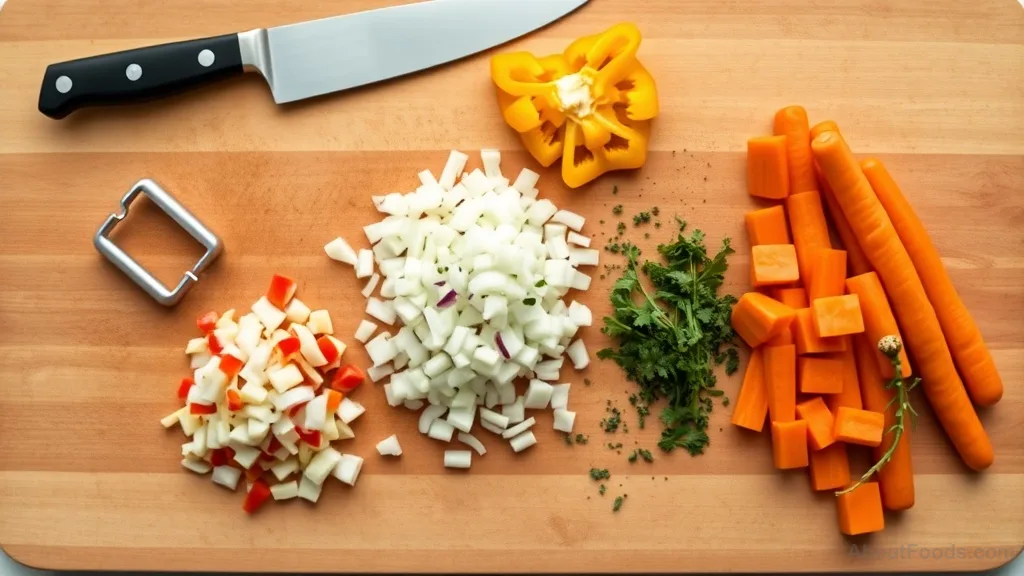
| Chopped onions & peppers | Container with damp paper towel | Omelets, stir-fries, soup base, taco filling |
With just these five components (which take about 2 hours to prepare), you have the building blocks for a week's worth of varied meals. That's the power of strategic prep—it creates options without requiring daily cooking marathons.
Meal Prep Essentials: Your Questions Answered
Do I really need special containers, or can I use what I have?
You can start with what you have, but proper airtight containers make a significant difference in food freshness and storage efficiency. At minimum, ensure whatever you use seals well and is the right size for your portions to minimize air exposure.
How much time should I expect to spend meal prepping each week?
For a beginner, 2-3 hours of focused prep time plus shopping time is realistic. As you become more efficient, you may reduce this. The time investment pays off in reduced daily cooking time and fewer last-minute food decisions.
What's the most common mistake beginners make?
Trying to prep complete meals rather than components. Prepping individual ingredients that can mix and match gives you flexibility when cravings or schedules change. Complete meals can become monotonous by Thursday.
How do I prevent food waste with meal prep?
Start by checking what you already have before shopping. Prep in reasonable quantities—don't cook five pounds of chicken if you'll only eat two. Use your freezer for extras immediately, and be realistic about what you'll actually eat versus what sounds good in the moment.
Is meal prep worth it for just one person?
Absolutely—perhaps even more so. It prevents the "what should I eat" dilemma that leads to takeaway or unsatisfying meals. Scale recipes appropriately, use your freezer for portions, and enjoy having good food ready when you want it.
What if I don't like eating the same thing multiple days in a row?
That's why component-based prep works so well. Instead of making five identical meals, prepare bases (grains, proteins, vegetables) that you can combine differently each day with various sauces and preparations to keep things interesting.
Rate this article
No ratings yet. Be the first to rate it.

Written by
Oliver Whitmore
Specialises in British cuisineOliver makes Sunday roast with Yorkshire puddings the size of your face. He says 'gravy is a beverage'.
Describe yourself in three words: Roasty, gravy boat, Yorkshire pride.